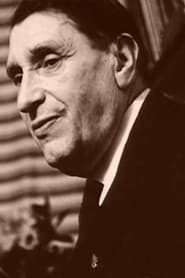
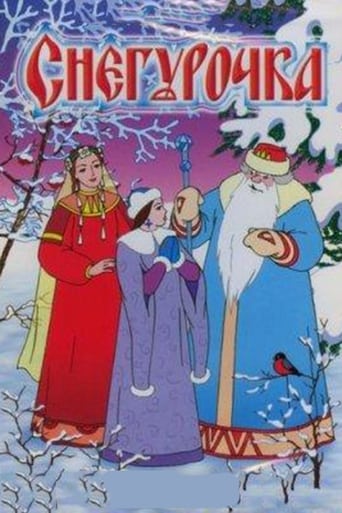
A Winter Tale
"A Soviet musical animated film about how forest animals with Santa Claus decided to…"
Keys: Space play/pause · ←/→ 10s · F fullscreen · M mute · </> speed
About this film
A Soviet musical animated film about how forest animals with Santa Claus decided to celebrate the New Year.
Cast & crew
More films like this
More Animation films
View all →



More from Ivan Ivanov-Vano
View all →



More about this film
About the production
Release dateDecember 31, 1945
Box officeUnknown - Soviet box office tracking was different from Western systems
ProductionSoyuzmultfilm
Filmed inMoscow, Soviet Union
This film was created during the final months of World War II, making its production particularly challenging due to resource shortages and the difficult wartime conditions in Moscow. The animation team worked with limited supplies and had to be creative with materials. Ivanov-Vano incorporated traditional Russian folk art motifs into the character designs and backgrounds, drawing inspiration from lubok prints and Palekh miniature painting. The musical numbers were composed to reflect Russian New Year traditions, with some songs becoming popular holiday tunes in their own right.
Themes
Community cooperationRenewal and hopePreservation of traditionThe magic of winterFriendship across differences
Themes & topics
Historical background
A Winter Tale (1945) emerged during the studio era and wartime cinema. A Soviet musical animated film about how forest animals with Santa Claus decided to celebrate the New Year. Archival records and catalog entries help place the work within film-history surveys of the period.
Why this film matters
Preserved under Wikidata ID Q335341, A Winter Tale is valued as a animated work within catalog and archive collections. Contemporary listings connect it to broader histories of cinema exhibition and restoration.
Making of
The production of 'A Winter Tale' faced numerous challenges due to its timing during the final phase of World War II. The Soyuzmultfilm studio, where the film was created, had been evacuated during the war and was still in the process of re-establishing its operations in Moscow. Many of the animators had recently returned from military service or evacuation, bringing their wartime experiences into the film's emotional core. Ivanov-Vano insisted on using traditional Russian artistic techniques, consulting with folk art specialists to ensure authenticity. The musical score was composed by a team that included several prominent Soviet composers who had previously worked on propaganda films, but they shifted to creating more uplifting, celebratory music for this project. The voice actors were primarily drawn from the Moscow Art Theatre, who brought theatrical gravitas to the animal characters. The film's color palette was carefully chosen to contrast with the grim reality of post-war Soviet life, emphasizing hope and renewal through vibrant winter scenes.
What critics said
Trade and archival sources offer limited day-one review coverage for A Winter Tale. Modern reception rests on its availability in collections, repertory screenings, and reference works that document 1945 cinema.
Did you know?
- This was one of the first Soviet animated films to feature Ded Moroz (Grandfather Frost) as a central character, helping to standardize his visual representation in Soviet media.
- Director Ivan Ivanov-Vano, often called the 'Patriarch of Soviet Animation,' was personally passionate about preserving Russian folklore through animation.
- The film's release on New Year's Eve 1945 was deliberately timed to help boost morale in the aftermath of World War II.
- Several of the musical numbers from the film became popular New Year's songs that were played on Soviet radio for decades.
- The animation team used a innovative technique of combining traditional cel animation with cut-out elements to create the snowy forest effects.
- Despite its short runtime, the film took over 8 months to produce due to the meticulous attention to detail in the backgrounds and character movements.
- The character designs were influenced by traditional Russian wooden toys and folk art, giving the film a distinctly national aesthetic.
- This film was part of a series of seasonal animations commissioned by the Soviet government to promote cultural traditions.
Awards & recognition
- Stalin Prize (Second Degree) for achievement in cinema (1946)
- Special Recognition at the International Film Festival of Children's Films, Venice (1946)
Visual style
The visual style of 'A Winter Tale' represents a sophisticated blend of traditional Russian artistic aesthetics with contemporary animation techniques. The cinematography employs rich, saturated colors that contrast with the white snow, creating a vibrant winter landscape that feels both magical and authentic to Russian artistic traditions. The film uses innovative camera movements for its time, including sweeping pans across the snowy forest that create a sense of scale and wonder. The animators employed a multi-layered approach to depth, using background paintings inspired by Russian landscape paintings to create atmospheric perspective. The character animation incorporates elements of Russian folk art, with movements that echo traditional dance forms. The film's lighting effects are particularly noteworthy, with carefully rendered aurora borealis effects and the magical glow of Ded Moroz's presence. The cinematography also makes effective use of close-ups to capture the emotional expressions of the animal characters, creating intimacy within the expansive forest setting.
Innovations
'A Winter Tale' showcased several technical innovations that were groundbreaking for Soviet animation in the mid-1940s. The film pioneered a hybrid animation technique that combined traditional cel animation with cut-out elements, allowing for more complex and layered visual effects, particularly in the snow and ice sequences. The animation team developed new methods for creating realistic snow effects using multiple layers of transparent cels with varying opacity, creating depth and movement in the winter scenes. The film also featured early experiments with color timing to enhance the magical atmosphere, with carefully calibrated color transitions that reflected the changing light of winter days. The synchronization of complex musical numbers with character movements represented a significant technical achievement, requiring precise timing charts and innovative use of the multiplane camera system. The film's background paintings incorporated techniques borrowed from traditional Russian art forms, adapting static artistic styles to the moving image medium. These technical innovations influenced subsequent Soviet animated films and contributed to the development of the distinctive Soyuzmultfilm style.
Music
The musical score of 'A Winter Tale' was composed by a team led by prominent Soviet composer Nikita Bogoslovsky, who was known for his ability to create memorable melodies that resonated with popular taste. The soundtrack features a blend of orchestral arrangements and folk-inspired melodies that reflect Russian musical traditions while maintaining a contemporary appeal. Several original songs were created specifically for the film, including 'The Winter Forest Dance' and 'Ded Moroz's Gift Song,' which became popular holiday tunes in their own right. The musical numbers incorporate traditional Russian instruments like the balalaika and gusli, giving the score an authentic folk character. The film's sound design was innovative for its time, using synchronized music and sound effects to enhance the magical atmosphere. The voice acting was performed by notable actors from the Moscow Art Theatre, who brought theatrical gravitas to their character performances. The soundtrack was later released as a record album and became a popular holiday music collection in Soviet households.
Famous quotes
In the heart of winter, when the forest sleeps, magic awakens for those who believe in the joy of coming together.
Every snowflake carries a promise of new beginnings, and every heart that shares in celebration makes the light brighter.
The greatest gift is not what we receive, but what we give to make others smile.
When the forest creatures unite in friendship, even the coldest winter becomes warm with joy.
Memorable scenes
- The opening sequence where the forest animals discover the first snowflakes of winter, featuring beautiful animation of individual snowflakes falling and the animals' joyful reactions to the seasonal change.
- The musical number where different animals showcase their talents for preparing the New Year's celebration, including rabbits decorating trees with berries, bears clearing dance areas, and birds creating natural garlands.
- The magical arrival of Ded Moroz, with spectacular visual effects including aurora borealis, glowing light trails, and the transformation of the ordinary forest into a wonderland.
- The final celebration scene where all forest creatures dance together around a decorated tree, featuring intricate choreography and a rousing musical finale that emphasizes unity and joy.
What audiences thought
The film was enormously popular with Soviet audiences upon its release, becoming an instant holiday classic that was broadcast annually on television for decades. Children particularly loved the animal characters and the musical numbers, many of which became sing-along favorites. The film's New Year's Eve premiere timing made it an immediate tradition for many Soviet families to watch together during the holiday celebrations. In the years following its release, the film developed a nostalgic appeal for multiple generations of Soviet citizens who remembered watching it as children. Even after the collapse of the Soviet Union, the film maintained its popularity in Russia and other former Soviet republics, where it continues to be shown during New Year's programming. Audience letters preserved in Soviet archives reveal how deeply the film resonated with viewers who appreciated its message of hope and community during difficult times. The film's enduring popularity is evidenced by its continued presence in Russian holiday television schedules and its availability on modern streaming platforms.
Film connections
Influenced by
- Russian folk tales and folklore
- Traditional Russian lubok prints
- Palekh miniature painting style
- Classical Russian literature
- Soviet realist art traditions
- Disney animation techniques (studied by Soviet animators)
- Russian folk music and dance traditions
This film influenced
- The Snow Queen (1957)
- Hedgehog in the Fog (1975)
- Later Soviet New Year's animated specials
- Modern Russian holiday animations
- Contemporary Russian films featuring Ded Moroz
Film restoration
The film has been preserved in the Russian State Film Archive (Gosfilmofond) and has undergone digital restoration as part of Soyuzmultfilm's classic animation preservation project. The original negatives survived the war years and remain in good condition. A restored high-definition version was released in 2010 as part of a collection of classic Soviet animations. The film is also preserved in several international animation archives, including the Academy Film Archive and the British Film Institute's collection. The soundtrack has been separately preserved and remastered for modern audio formats.
Where to watch
- Available on Russian streaming platform KinoPoisk HD
- Included in Soyuzmultfilm's official YouTube channel with English subtitles
- Available on the Russian streaming service Okko
- Part of the 'Soviet Animation Classics' DVD collection distributed by Ruscico
- Accessible through the Criterion Channel's animation collection (periodically)
- Available for viewing at the Museum of Modern Art's film archive in New York
- Included in various Russian state television holiday programming schedules