
Adventures of William Tell
"Tell's arrow finds its mark"
Keys: Space play/pause · ←/→ 10s · F fullscreen · M mute · </> speed
About this film
Georges Méliès animates a clay William Tell statue that fires arrows after a clown completes it. The scene opens in an artist's studio where the unfinished statue of William Tell stands upon a pedestal. A clown appears and sticks a clay arm and clay head on the statue, thus completing it. He places a large brick on top of the head to make it stick.
Cast & crew
More films like this
More Comedy films
View all →







More from Georges Méliès
View all →

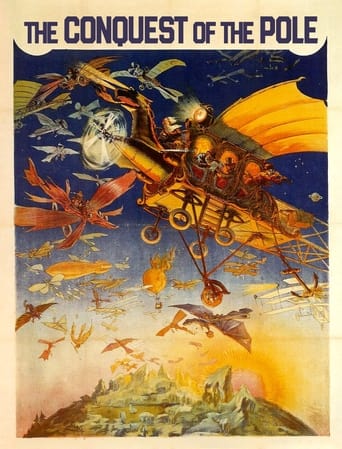
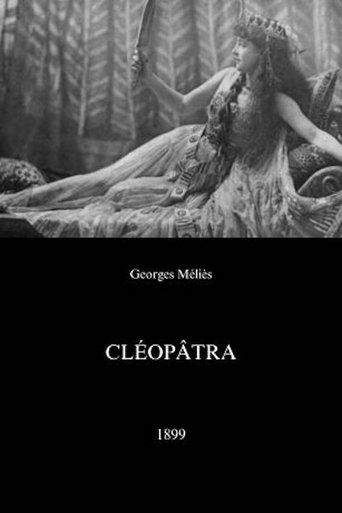
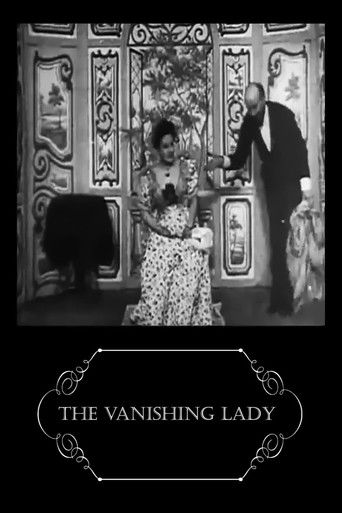
More about this film
About the production
Release date1898
ProductionStar Film Company
Filmed inMontreuil, Seine-Saint-Denis, France
Filmed in Georges Méliès' personal glass studio in Montreuil, which was specially designed with a glass roof to maximize natural lighting for early film production. The film was created using Méliès' innovative substitution splicing technique and multiple exposures to create the magical transformation effects. As with many of Méliès' films from this period, it was hand-colored frame by frame for certain releases, a labor-intensive process that added vibrant colors to the black and white footage.
Themes
Themes & topics
statuetransformationclownWilliam Tellmagicstudioartisttrick film
Historical background
1898 placed Adventures of William Tell within France cinema as Star Film Company navigated wartime markets, immigration audiences, and the shift from intertitles to sound.
Why this film matters
Archivists revisit Adventures of William Tell (1898) for Georges Méliès style, genre norms at Star Film Company, and the exhibition context of 1 programming.
Making of
Georges Méliès, a former magician and theater owner, brought his stage magic expertise to the new medium of cinema. The film was shot in his custom-built studio, which featured elaborate painted backdrops and theatrical props. Méliès would have used his patented multiple exposure technique to create the statue transformation effect, carefully stopping the camera, replacing the prop statue with an actor, then restarting filming. The hand-coloring process, when used, was done by Méliès' team of women colorists who would meticulously paint each frame by hand. The clown character's movements were deliberately exaggerated to ensure visibility in the early film format and to enhance the comedic effect.
What critics said
Retrospective writing on Adventures of William Tell stresses craft by Georges Méliès, print survival, and repertory value rather than opening-week gross alone.
Did you know?
- This film was released as Star Film Company catalog number 167
- The film showcases Méliès' pioneering use of the substitution splice technique, which he invented and perfected
- William Tell was a popular cultural figure in the 19th century, symbolizing resistance against oppression
- The film was part of Méliès' series of magical transformation films that helped establish cinema as a medium for fantasy
- Like many early Méliès films, it was sold both in black and white and hand-colored versions
- The clown character was likely played by Méliès himself, as he often performed in his own films
- This film was created during the peak of Méliès' most productive period (1897-1902)
- The film was distributed internationally, including in the United States through the Edison Manufacturing Company
- The statue transformation effect was achieved through careful editing and multiple exposure techniques
- This film represents Méliès' fascination with bringing inanimate objects to life, a recurring theme in his work
Visual style
The film utilizes Méliès' characteristic theatrical cinematography style, with a single static camera positioned to capture the entire scene as if it were a stage performance. The lighting was natural, coming through the glass roof of Méliès' studio. The visual composition follows theatrical conventions with clear foreground and background separation. The camera work is straightforward, focusing attention on the magical transformations rather than camera movement. The hand-colored versions featured vibrant, flat colors typical of early film coloring techniques.
Innovations
The film showcases Méliès' pioneering use of substitution splicing, where he would stop the camera, make changes to the scene, then resume filming to create the illusion of magical transformation. This technique, which Méliès accidentally discovered and then perfected, became a cornerstone of early special effects. The film also demonstrates early use of multiple exposure to create ghostly or magical appearances. The hand-coloring process, while not invented by Méliès, was perfected in his studio and represented a significant technical achievement in early cinema, requiring hundreds of hours of meticulous work for a single short film.
Music
As a silent film from 1898, there was no synchronized soundtrack. The film would have been accompanied by live music during exhibition, typically a pianist or small orchestra playing appropriate music. The choice of music would have been left to the individual exhibitor, ranging from popular tunes of the era to classical pieces. In some venues, sound effects might have been created live to enhance the magical moments, such as bells or chimes during the transformation sequence.
Famous quotes
No dialogue - silent film era
Memorable scenes
- The magical transformation of the clay statue into a living William Tell, achieved through Méliès' pioneering substitution splicing technique, creating one of cinema's earliest examples of bringing inanimate objects to life through special effects
What audiences thought
Late 19th-century audiences were fascinated by Méliès' magical films, which offered a stark contrast to the simple actualities being produced by other filmmakers. The transformation effects in 'Adventures of William Tell' would have been seen as genuinely magical to viewers of the time, many of whom had never witnessed moving images before. The film's combination of comedy, magic, and the familiar legend of William Tell made it popular with diverse audiences. Méliès' films were commercial successes both in France and internationally, helping establish him as one of the first true film directors and entrepreneurs.
Film connections
Influenced by
- Stage magic and illusion shows
- Theatrical performances
- Folklore and legends
- Commedia dell'arte
This film influenced
- Later Méliès trick films
- Early fantasy and horror films
- Animation films featuring inanimate objects coming to life
Film restoration
The film survives and is preserved in film archives. Copies are held by major film institutions including the Cinémathèque Française. The film has been restored and digitized as part of various Méliès film collections. Both black and white and hand-colored versions may exist, though the hand-colored versions are rarer due to the labor-intensive nature of the coloring process.
Where to watch
- YouTube (through official archives like the Cinémathèque Française channel)
- The Criterion Channel (as part of Méliès collections)
- Kino Lorber Blu-ray releases of Méliès films
- Museum film screenings and retrospectives
- Various streaming services specializing in classic cinema