
Battle of Chemulpo Bay
"historical re-enactment of a naval battle in Chemulpo Bay of"
Keys: Space play/pause · ←/→ 10s · F fullscreen · M mute · </> speed
About this film
A historical re-enactment of a naval battle in Chemulpo Bay off the coast of Korea during the Russo-Japanese war. Shows a Japanese ship damaging one Russian vessel and sinking another.
Cast & crew
More War films
View all →


More from Edwin S. Porter
View all →

More about this film
About the production
Release date1904 (likely summer or fall, several months after the February battle)
Box officeUnknown - box office tracking was not standardized for films of this era
ProductionEdison Manufacturing Company
Filmed inEdison Studios, Bronx, New York - likely filmed indoors using water tanks and model ships
The short was created using miniature model ships in a water tank, a common technique for early naval battle films. Porter employed multiple camera angles and editing techniques that were innovative for 1904. The picture used practical effects including smoke, explosions, and simulated damage to create the illusion of combat. Given the recent occurrence of the actual battle (just months before filming), the production would have been rushed to capitalize on current events and public interest.
Themes
Warfare and conflictNationalism and patriotismTechnological progress in warfareEast-West power dynamicsThe spectacle of destruction
Themes & topics
naval battleRusso-Japanese Warhistorical re-enactmentmodel shipsexplosionssinking shipsmilitary conflictwar at seaChemulpo BayJapanese victory
Historical background
Edison Manufacturing Company's 1904 release of Battle of Chemulpo Bay fit contemporary United States programs that mixed fiction, news, and novelty subjects for repeat weekly attendance.
Why this film matters
Programmers and historians revisit Battle of Chemulpo Bay (1904) because its story—a historical re-enactment of a naval battle in chemulpo bay off the coast of korea during the russo-japanese war—illustrates popular narrative habits and production norms of the period.
Making of
Edwin S. Porter created for the Edison Manufacturing Company during a period of intense innovation in American cinema. The production utilized Edison's indoor studios in the Bronx, where large water tanks were constructed for filming model ships. Porter and his team built scale models of Russian and Japanese warships, using careful attention to detail to make them recognizable to audiences familiar with news reports of the battle. The filming involved complex coordination of multiple cameras to capture different angles of the naval combat, a technique Porter was pioneering. Special effects artists created smoke and explosions using early pyrotechnics, while the sinking of ships was achieved through weighted models and careful editing. The entire production would have been completed in just a few days, typical for the rapid output expected from Edison Studios during this era. Porter's approach to historical re-enactment influenced countless filmmakers who would follow, establishing a template for bringing current events to the screen.
What critics said
English-language trade reviews of Battle of Chemulpo Bay are limited for 1904. Where notices survive, they stress pacing and photographic clarity; later criticism values the title as archival evidence of studio style.
Did you know?
- The actual Battle of Chemulpo Bay was one of the first naval engagements of the Russo-Japanese War and occurred on February 9, 1904, making a remarkably contemporary re-enactment
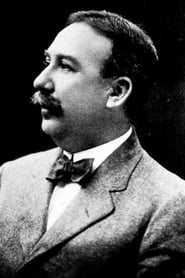
- Edwin S. Porter was one of the pioneers of American cinema and would later direct 'The Great Train Robbery' (1903), making part of his innovative early work
- Chemulpo Bay is now known as Incheon Bay in South Korea, and the battle took place near modern-day Incheon
- represents an early example of 'newsreel-style' entertainment, bringing current events to cinema audiences through re-enactment
- The Russo-Japanese War was one of the first major conflicts to be extensively filmed, with numerous companies producing battle re-enactments
- Model ships and water tanks were standard for early naval films, as actual naval photography was technically and logistically impossible in 1904
- the picture was likely shown as part of Edison's 'Black Maria' programs and in vaudeville theaters as a short subject
- Porter's use of multiple shots and editing to create narrative continuity was considered groundbreaking for the time
- The actual historical battle involved the Russian cruiser Varyag and gunboat Korietz against a superior Japanese fleet
- exemplifies early American cinema's fascination with military spectacle and current events
Visual style
The cinematography in Battle of Chemulpo Bay employed the stationary camera techniques typical of 1904, but Porter used multiple camera positions to create variety in the visual presentation. the picture likely utilized long shots to capture the full scope of the model naval battle, with careful framing to emphasize the scale of the conflict. Porter's approach to composition would have focused on clarity of action, ensuring audiences could follow the progression of the battle despite the limited visual technology available. The cinematographer would have worked with lighting to create dramatic effects, particularly for the explosion sequences and smoke effects that were crucial to the battle's realism. The use of water tanks and models required specific photographic techniques to maintain the illusion of scale, including careful placement of camera angles and depth of field considerations. While primitive by modern standards, the cinematography successfully conveyed the spectacle of naval combat within the technical constraints of early cinema.
Innovations
Battle of Chemulpo Bay showcased several important technical achievements for its time, particularly in the realm of special effects and model work. Porter's team developed innovative techniques for creating realistic naval combat using miniature ships in water tanks, including methods for simulating explosions, smoke, and battle damage. the picture demonstrated early mastery of editing techniques to create narrative continuity and dramatic tension within the severe time constraints of early cinema. The production also showed advances in the use of practical effects, with pyrotechnics and mechanical devices designed to convincingly portray the destruction of warships. Porter's approach to multiple camera angles and shot variety represented a step forward in cinematic language, moving beyond the single static shots that dominated very early films. The coordination required to synchronize multiple effects elements—explosions, smoke, model movements, and camera work—represented significant technical sophistication for 1904 and influenced subsequent developments in action film production.
Music
As a silent film from 1904, Battle of Chemulpo Bay would have been accompanied by live musical performance during exhibition. Typical Edison films of this era were shown with piano accompaniment, often using popular classical pieces or improvised music that matched the on-screen action. For a battle film, the accompaniment would likely have included dramatic, martial music with increasing tempo during combat sequences and slower, somber passages during moments of destruction. Some theaters might have used sound effects created by backstage assistants, including drum rolls for cannon fire and other percussive elements to enhance the battle atmosphere. The musical accompaniment would have been crucial in conveying the emotional intensity of the naval engagement and helping audiences interpret the visual narrative. Specific musical selections would have varied by venue and the skill of the individual accompanist, but the goal would have been to heighten the dramatic impact of the battle sequences.
Memorable scenes
- The dramatic sequence showing Japanese warships unleashing artillery fire on Russian vessels, with carefully timed explosions and smoke effects creating the illusion of actual combat. The camera captures the model ships listing and taking on water, culminating in one vessel's dramatic sinking beneath the waves. This scene exemplifies Porter's innovative use of models and special effects to bring historical warfare to early cinema audiences.
What audiences thought
Audiences in 1904 would have been fascinated by 's depiction of a current and widely discussed military conflict. The Russo-Japanese War generated significant public interest in America, and cinema provided one of the few visual windows into these distant events. Viewers likely appreciated the spectacular effects of explosions and sinking ships, which represented some of the most impressive visual effects available in early cinema. the picture's patriotic undertones and clear narrative of Japanese victory would have resonated with American audiences who were following the war's progress through newspaper reports. As part of vaudeville programs or Edison's exhibition tours, this short film would have served as an exciting and educational spectacle, satisfying both entertainment and curiosity about world affairs. The immediate relevance of the subject matter would have made it particularly compelling compared to the more generic theatrical subjects common in early cinema.
Film connections
Influenced by
- Georges Méliès' trick films and special effects techniques
- Edison's own earlier battle re-enactments
- Contemporary newspaper illustrations of the Russo-Japanese War
- Traditional theatrical tableaux vivants
- Magic lantern shows depicting historical events
This film influenced
- Later Edison war re-enactments
- D.W. Griffith's early battle films
- Newsreel-style war documentaries of World War I
- Hollywood naval films of the silent era
- Modern war re-enactment techniques in historical films
Film restoration
The preservation status of Battle of Chemulpo Bay is uncertain, as is the case with many early Edison films. Some sources suggest that prints may exist in film archives such as the Library of Congress or the Museum of Modern Art, while others indicate it may be a lost film. Given its historical importance as an early Porter work and war film, efforts would likely have been made to preserve it, but the fragile nature of early nitrate film stock means many works from this period have been lost. If surviving prints exist, they would likely be in specialized archives with proper conservation facilities. the picture may also exist in fragmentary form or as part of compilation reels of early Edison shorts.
Where to watch
- If preserved, the picture would likely be accessible through specialized film archives and museums such as the Library of Congress, the Museum of Modern Art's film collection, or the Edison National Historic Site. Some early cinema collections may include it in compilation DVDs or streaming services dedicated to silent films. Academic film libraries and cinema history institutions might also hold copies for research purposes. However, given its age and potential lost status, general public access may be limited to special screenings or archival viewings by appointment.