
Keys: Space play/pause · ←/→ 10s · F fullscreen · M mute · </> speed
Plot
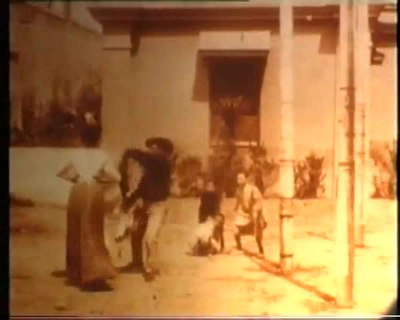
Benítez quiere ser torero follows the comedic misadventures of Benítez, an ordinary man who dreams of becoming a celebrated bullfighter despite having no actual experience or skill. His friends, aware of his pretensions and delusions of grandeur, decide to teach him a lesson through an elaborate prank. They arrange what Benítez believes is his big debut in the bullring, only for him to discover that the 'bull' is actually a harmless cow or a man in costume, leading to his humiliation. The film culminates with Benítez's comic realization of his own foolishness, though he may retain his dreams despite the embarrassing lesson.
Director
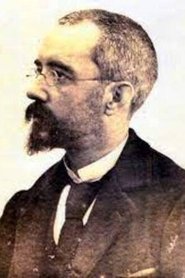 Angel García Cardona
About the Production
Release Date 1910
Production Film Español
Filmed In Spain
This was one of the earliest Spanish comedies produced during the golden age of silent Spanish cinema. The film was shot using the primitive technology available in 1910, likely on 35mm film with hand-cranked cameras. As with many films of this era, it was probably shot in natural light and on location rather than in studios.
More Comedy Films
View all →






Themes & Topics
Historical Background
1910 was a significant year in Spanish cinema, as the industry was moving beyond simple documentary-style films to develop narrative fiction. Spain was experiencing cultural and political changes, with tensions between tradition and modernity reflected in its cinema. The film industry was still in its infancy, with most productions being short, simple stories that could be easily understood by audiences of all classes. Bullfighting remained a central element of Spanish cultural identity, making it a popular subject for filmmakers. The period also saw the rise of film production companies in Barcelona and Madrid, establishing Spain as one of Europe's early cinema centers.
Why This Film Matters
This film represents an important early example of Spanish comedy finding its voice through culturally specific themes. The use of bullfighting as a central element demonstrates how Spanish filmmakers incorporated national traditions into their storytelling. The film also reflects the Spanish fascination with social climbing and pretension, themes that resonated with audiences experiencing rapid social changes. As one of the earliest Spanish narrative comedies, it helped establish conventions that would influence Spanish comedy for decades. The film's focus on a recognizable 'everyman' character experiencing comic humiliation became a template for Spanish popular comedy.
Making Of
Very little specific documentation exists about the production of this particular film, which was typical for the era. Director Angel García Cardona was one of Spain's most prolific early filmmakers, often working quickly with small crews and limited resources. The cast likely consisted of theatrical actors who were transitioning to the new medium of cinema. The bullfighting sequences would have been staged carefully, as actual bullfighting would have been too dangerous and expensive to film. The comedy would have relied heavily on physical humor and exaggerated expressions, as was common in silent films of the period.
What Critics Said
Contemporary critical reception is difficult to determine due to the limited documentation of film criticism in Spain during 1910. However, films featuring popular themes like bullfighting and comedy were generally well-received by Spanish audiences of the period. Modern film historians consider this film significant as an example of early Spanish narrative cinema, though it is rarely discussed in detail due to its age and limited availability. The film is primarily of academic interest today as a representation of early Spanish filmmaking techniques and cultural themes.
Did You Know?
- This film is considered one of the earliest surviving examples of Spanish comedy cinema
- Director Angel García Cardona was a pioneer of Spanish cinema who directed over 100 films between 1909 and 1920
- The film represents the Spanish tradition of using bullfighting as a cultural touchstone in popular entertainment
- Many films from this era were single-reel productions running approximately 10-15 minutes
- The comedy relies on the classic trope of the pretentious protagonist getting their comeuppance
- Early Spanish cinema often featured regional characters and settings that would be familiar to local audiences
- Silent films of this period were often accompanied by live music, typically piano or small orchestra
- The film was produced during a period when Spain was developing its own distinct cinematic identity separate from French and American influences
More film details Visual style, music, quotes, restoration, and more
Visual Style
The cinematography would have been typical of 1910, using stationary cameras with minimal movement. The film was likely shot in black and white using available light, possibly with some use of reflectors to enhance illumination. Camera angles would have been simple and straightforward, primarily medium shots and long shots to ensure clarity of the action. The bullfighting sequences might have used multiple camera positions if the budget allowed, though single-camera setups were more common. The visual style would emphasize clarity of action and expression over artistic composition, as was typical of early narrative cinema.
Innovations
The film represents the technical capabilities of Spanish cinema in 1910, which were still developing but catching up with other European nations. The use of outdoor locations for filming demonstrates the adaptation to Spain's climate and the practical limitations of studio facilities. The staging of the bullfighting sequences, even if simulated, shows early attempts at creating spectacle within limited means. The film's editing would have used basic continuity cutting to tell the story clearly, representing the emerging language of narrative cinema. The preservation of movement and action in the film shows the improving technical quality of cameras and film stock.
Music
As a silent film, it would have been accompanied by live musical performance during exhibition. The accompaniment likely consisted of popular Spanish songs, traditional folk melodies, and possibly classical pieces chosen to match the mood of each scene. The music would have been performed by a pianist in smaller venues or a small orchestra in larger theaters. The score would have emphasized the comic moments with upbeat, playful music and used dramatic passages during the 'bullfighting' sequences. No original score was composed specifically for the film, as was common practice during this period.
Famous Quotes
No specific quotes are documented from this silent film, as intertitles were minimal in 1910 productions
Memorable Scenes
- The scene where Benítez practices his bullfighting moves in front of a mirror, imagining himself as a great matador
- The prank reveal where Benítez discovers the 'bull' is not what he expected
- Benítez's exaggerated preparations for his supposed bullfighting debut
What Audiences Thought
The film likely appealed to working-class and middle-class Spanish audiences who would have recognized the humor in Benítez's pretensions and the familiar theme of bullfighting. Early Spanish cinema audiences appreciated films that reflected their own culture and experiences, rather than the foreign films that dominated many markets. The comedy would have been accessible to viewers regardless of literacy level, as it relied on visual humor and familiar situations. The film's success would have been measured by its ability to draw repeat viewings and word-of-mouth recommendations in the era before systematic box office tracking.
Film Connections
Influenced By
- French comedies of the early 1900s
- Italian comedy shorts
- Spanish theatrical traditions
- Commedia dell'arte character archetypes
This Film Influenced
- Later Spanish comedies about pretentious characters
- Films featuring bullfighting themes
- Spanish comedy tradition of the 1920s-1930s
Film Restoration
The preservation status of this specific 1910 film is uncertain, as many Spanish films from this period are considered lost or exist only in fragmentary form. Early Spanish cinema suffered from poor preservation practices, and nitrate film decomposition has claimed many works from this era. Some films by Angel García Cardona have survived in archives, but the specific survival status of 'Benítez quiere ser torero' is not definitively documented in major film archives.
Where to Watch
- Due to its age and uncertain preservation status, this film is likely not commercially available. If it survives, it may be accessible through specialized film archives such as the Filmoteca Española, or through academic institutions specializing in early cinema. Some portions or stills might be available in documentary collections about early Spanish cinema.