Burglary at Night
"Burglars on the roof while treasure hides below."
Keys: Space play/pause · ←/→ 10s · F fullscreen · M mute · </> speed
About this film
A man hides his valuables under his mattress before going to sleep, blissfully unaware of the two burglars on his roof. Burglars at Work is a 1904 French comic scene film directed by Gaston Velle for Pathé Frères Film Company.
Cast & crew
More films like this
More Comedy films
View all →







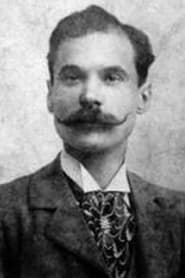
More from Gaston Velle
View all →

More about this film
About the production
Release date1904
Box officeUnknown - box office tracking was not standard practice in 1904
ProductionPathé Frères
Filmed inParis, France (likely studio setting)
Filmed during the early days of cinema when most productions were simple one-reeler shorts. The film was likely shot on a basic indoor set with minimal lighting equipment. As with many films of this era, it was probably shot in a single day with a small crew. The roof scenes would have been created using stage construction and painted backdrops, a common practice in early cinema.
Themes
Domestic securityComedy of errorsUrban crimeFalse sense of securityClass dynamics
Themes & topics
Historical background
Production circa 1904 placed Burglary at Night within the technical habits of its era—intertitles, studio sets, and regional distribution networks.
Why this film matters
Archivists revisit Burglary at Night (1904) for performance styles and craft choices that later releases refined or replaced.
Making of
Gaston Velle, who began his career as a stage magician, brought his expertise in illusion to filmmaking. The production would have utilized primitive camera equipment mounted on tripods, with natural light supplemented by arc lamps. The actors were likely stage performers adapting to the new medium of cinema. The roof scenes required careful set construction to create the illusion of height while maintaining safety for the performers. The film was probably shot in sequence, as editing was still in its infancy. The mattress gag required precise timing to achieve maximum comedic effect, and the burglars' movements would have been choreographed to create visual interest within the static camera shots typical of the era.
What critics said
Trade papers near 1904 listed Burglary at Night among weekly program offerings rather than as a headline critical event.
Did you know?
- Gaston Velle was a pioneer of French cinema who specialized in trick films and magical fantasies before转向 more straightforward comedies
- The film represents an early example of the 'home invasion' comedy genre that would become popular in later decades
- Pathé Frères, the production company, was among the leading dominant film studios in the world during this period
- The film was likely hand-colored frame by frame, a common practice for important Pathé productions of this era
- The mattress hiding trope became a recurring gag in silent comedy films throughout the following decades
- This film was part of the wave of crime comedies that emerged in early French cinema
- The burglars' rooftop entrance technique was inspired by popular stage magic acts of the period
- Like many films of 1904, it was likely shown in traveling fairground shows as well as dedicated cinemas
- The film's simple premise allowed for international distribution without the need for intertitles
- Velle's background as a magician influenced his approach to visual storytelling and practical effects
Visual style
The cinematography would have been rudimentary by modern standards, featuring static camera positions typical of early cinema. The film likely used medium shots to capture the actors' movements and expressions. Lighting would have been basic, utilizing available studio illumination. The visual composition would have been theatrical, with actors positioned for maximum visibility within the frame. Any special effects, such as the burglars' entrance, would have been achieved through practical means rather than camera tricks.
Innovations
While not technically innovative, the film demonstrates competent use of then-current filmmaking techniques. The set construction for the roof scenes shows early mastery of creating convincing illusions within studio constraints. The film's editing, though minimal by modern standards, represents the growing understanding of narrative pacing in cinema. The use of multiple interconnected scenes shows advancement beyond the single-shot films common just a few years earlier.
Music
As a silent film, it had no recorded soundtrack. In exhibition, it would have been accompanied by live music, typically a pianist or small ensemble in dedicated cinemas, or possibly a phonograph recording in smaller venues. The musical accompaniment would have been improvised or selected from standard repertoire to match the film's comedic and suspenseful moments. The music would have helped guide audience emotions and enhance the timing of the visual gags.
Memorable scenes
- The opening sequence where the man methodically hides his valuables under the mattress, believing he's outsmarting potential thieves
- The reveal of the two burglars already positioned on the roof, creating immediate dramatic irony
- The burglars' comical attempts to enter the house while the homeowner sleeps peacefully
- The final awakening scene where the man discovers both his missing valuables and the still-present intruders
What audiences thought
Audiences in 1904 would have found the film entertaining and novel, as any moving picture was still a marvel to most viewers. The simple, visual humor would have been easily understood across language barriers, contributing to its potential international appeal. The familiar scenario of burglary combined with comedy would have resonated with urban audiences experiencing similar security concerns. The film's short length made it ideal for the mixed programs typical of early cinema exhibitions.
Film connections
Influenced by
- Georges Méliès' trick films
- Stage comedy traditions
- Commedia dell'arte
- French theatrical farce
- Early Pathé comedies
This film influenced
- Later home invasion comedies
- Keystone Cops films
- Charlie Chaplin's early shorts
- Harold Lloyd's safety-themed comedies
Film restoration
The preservation status is unclear, as many films from this era have been lost. If prints survive, they would likely be held in film archives such as the Cinémathèque Française or the Library of Congress. Any surviving copies would probably be on nitrate film stock requiring careful conservation. The film may exist in fragmentary form or as part of compilation reels of early Pathé productions.
Where to watch
- Potentially available through film archive websites
- May be included in collections of early cinema on DVD/Blu-ray
- Could be accessible through specialized streaming services focusing on silent films
- Might be viewable at film museum screenings or retrospectives
- Available through academic film libraries and archives