

Captain Grogg among wildlife
"Captain Grogg meets the wild on Norwegian screens."
Keys: Space play/pause · ←/→ 10s · F fullscreen · M mute · </> speed
About this film
Captain Grogg among wildlife (1919) survives in early film catalogs.
Cast & crew
More Animation films
View all →


More from Victor Bergdahl
View all →
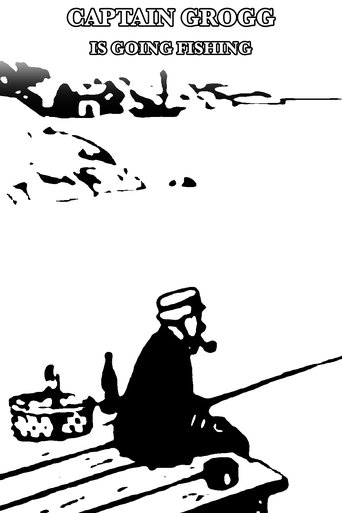
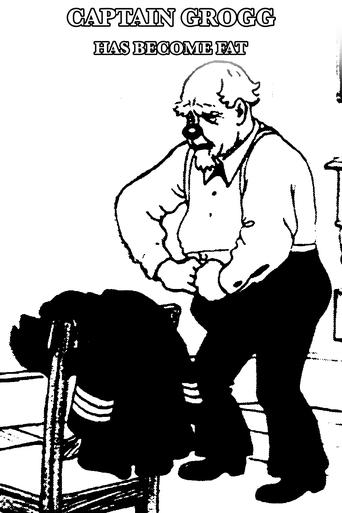

More about this film
About the production
Release date1919
ProductionVictor Bergdahl Film
Filmed inSweden
Created using cut-out animation techniques typical of early Swedish animation, with characters and props cut from paper and moved frame by frame. The film was part of Bergdahl's popular Captain Grogg series, which was among the first successful animated character series from Sweden. Production would have been extremely labor-intensive, requiring each frame to be photographed individually with slight adjustments to the paper cut-outs.
Themes
Man versus natureComic incompetenceHuman-animal relationshipsSlapstick comedyAdventure and exploration
Themes & topics
Historical background
Released in 1919, Captain Grogg among wildlife reached audiences during the silent era, when exhibition and production norms differed sharply from today's.
Why this film matters
Captain Grogg among wildlife is cited in databases and retrospective programs mapping 1919 cinema.
Making of
Victor Bergdahl created the Captain Grogg series in his home studio in Stockholm, working primarily as a one-man animation operation. The production process involved meticulously cutting characters and props from paper, then photographing them frame by frame against hand-painted backgrounds. Bergdahl would often spend weeks on a single short, adjusting the paper figures by tiny increments for each frame. The wildlife theme allowed him to experiment with exaggerated animal movements and create dynamic chase sequences. Bergdahl was known for his innovative use of perspective and movement in his cut-out animations, techniques that were advanced for the time. The films were initially created for Swedish audiences but gained enough popularity to be distributed internationally, requiring intertitles in multiple languages for different markets.
What critics said
Modern notes on Captain Grogg among wildlife emphasize preservation, stylistic choices, and its place within director or studio filmographies.
Did you know?
- Captain Grogg was one of the first recurring animated characters in Swedish cinema history
- Victor Bergdahl was a pioneer of Swedish animation, often called the 'Swedish Walt Disney' in his home country
- The Captain Grogg series consisted of approximately 25 short films produced between 1916 and 1922
- Bergdahl's animation studio was one of the very first in Scandinavia
- The films were originally distributed internationally, with some prints surviving in archives outside Sweden
- Captain Grogg was reportedly based on a combination of Swedish naval officers and American cartoon characters of the era
- The animation technique involved photographing paper cut-outs against painted backgrounds, a method Bergdahl perfected
- These shorts were among the first animated films to feature consistent character development across multiple entries
- The wildlife theme was popular in early animation as it allowed for exaggerated animal movements and behaviors
- Bergdahl often worked alone on these productions, handling animation, photography, and direction himself
Visual style
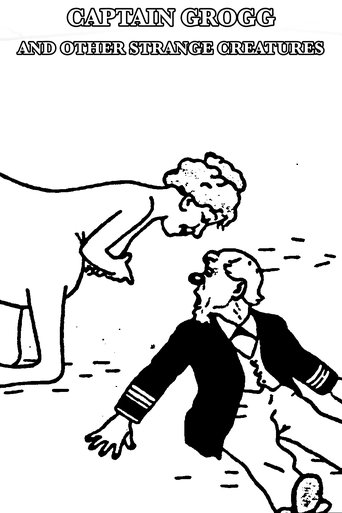
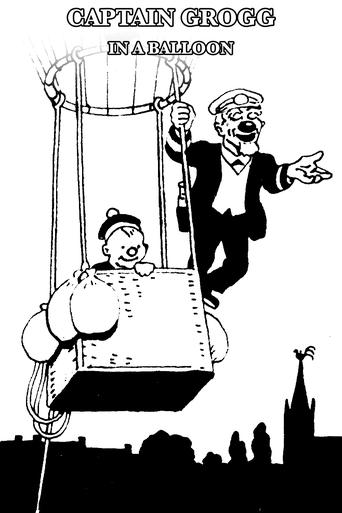
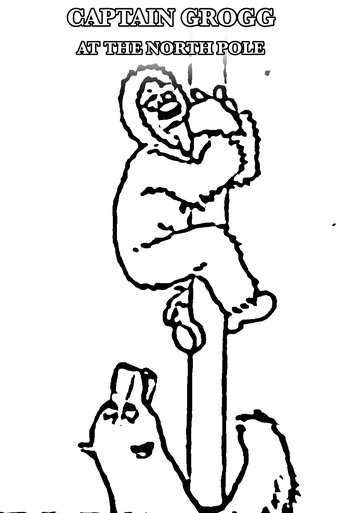
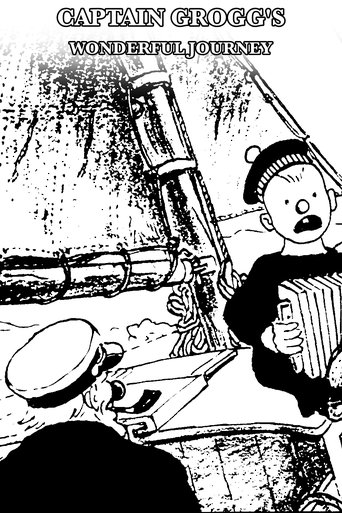
The cinematography in Captain Grogg among wildlife was accomplished through stop-motion photography of paper cut-outs, requiring precise camera work and lighting. Bergdahl used a down-shooter camera setup, photographing the flat characters from above against painted backgrounds. The visual style emphasized bold outlines and simple, effective character designs that worked well within the technical limitations of cut-out animation. Movement was created through the careful repositioning of paper elements between frames, resulting in a distinctive jerky but expressive motion quality. The cinematography had to account for shadows and maintain consistent lighting throughout the frame-by-frame process. Backgrounds were typically hand-painted with attention to depth and perspective, creating a sense of environment for the characters to interact within.
Innovations
Victor Bergdahl's work on Captain Grogg among wildlife demonstrated several technical innovations for early animation. The cut-out animation technique he employed was particularly sophisticated for its time, featuring smooth character movements and complex interactions between multiple elements. Bergdahl developed methods for creating the illusion of depth using layered paper cut-outs at different distances from the camera. The films also featured relatively advanced character animation for the era, with Captain Grogg showing consistent personality and expression across movements. The production workflow Bergdahl established allowed for relatively efficient creation of animated shorts, enabling him to produce a substantial series. The international distribution of these films also represented an achievement in reaching global markets with European-produced animation during a period when American animation was beginning to dominate internationally.
Music
As a silent film, Captain Grogg among wildlife would have been accompanied by live musical performance during theatrical exhibition. The score would typically have been provided by a theater pianist or small orchestra, often improvising based on the action on screen. The music would have followed the conventions of silent film accompaniment, with faster tempos for chase sequences, playful melodies for comedic moments, and dramatic chords for moments of peril. Some theaters might have used cue sheets or suggested musical selections provided by the distributor. The wildlife theme would have allowed for musical motifs representing different animals, a common practice in silent film scoring. No original score or specific musical instructions survive with the film, leaving the exact nature of the musical accompaniment to speculation.
Memorable scenes
- Captain Grogg's comical attempts to hunt various wild animals, each resulting in the captain being outwitted by his prey
- The climactic scene where multiple animals turn the tables on Captain Grogg, creating a chaotic chase sequence
- Moments where Captain Grogg tries to use military-style commands on uncooperative wildlife
What audiences thought
The Captain Grogg series was popular with contemporary audiences both in Sweden and in international markets where the films were distributed. Theater audiences enjoyed the slapstick humor and the novelty of seeing animated characters from Sweden. The recurring nature of the Captain Grogg character helped build audience familiarity and anticipation for new installments. Children and adults alike found appeal in the simple visual gags and the character's misadventures. The films were often part of variety programs that included live-action shorts and newsreels, providing animated entertainment that was accessible to all ages. Modern audiences viewing the surviving prints appreciate the historical significance and the charming simplicity of the animation, though the humor may seem dated to contemporary viewers.
Film connections
Influenced by
- American newspaper comics
- Early Disney shorts
- European comic illustrations
- Slapstick comedy films
- Hunting adventure stories
This film influenced
- Later Swedish animated series
- Scandinavian animation traditions
- European cut-out animation
- Character-based animated shorts
Film restoration
The preservation status of Captain Grogg among wildlife is uncertain, as with many films from this era. Some Captain Grogg shorts are known to survive in film archives, particularly in Swedish institutions like the Swedish Film Institute, but the complete survival rate of the series is unknown. The nitrate film stock used in 1919 was highly unstable and prone to deterioration, making survival of prints exceptional. Any surviving copies would likely require restoration work due to age-related damage. The film may exist in fragmentary form or in private collections. International distribution increases the possibility that prints survive in archives outside Sweden. Digital preservation efforts have likely prioritized the most historically significant examples of early Swedish animation.
Where to watch
- Swedish Film Institute archive
- European film archives with early animation collections
- Specialized animation film festivals
- Academic film libraries
- Online animation history platforms (if digitized versions exist)