

Captain Grogg at the North Pole
"Captain Grogg outwits a polar bear with alcohol and a dance."
Keys: Space play/pause · ←/→ 10s · F fullscreen · M mute · </> speed
About this film
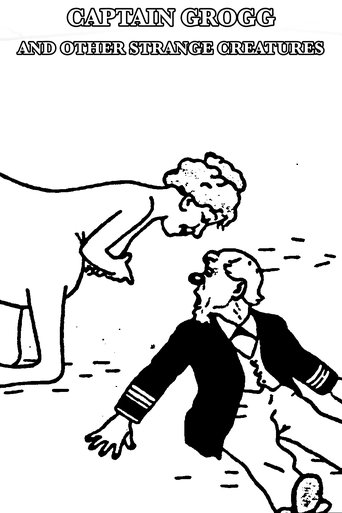
Captain Grogg meets encounter a polar bear while on a trip to the North Pole. It chases them, they feed it alcohol so that it gets drunk, then they all dance.
Cast & crew
More films like this
More Animation films
View all →


More from Victor Bergdahl
View all →


More about this film
About the production
Release date1917
Box officeUnknown
ProductionVictor Bergdahl Filmstudio
Filmed inStockholm, Sweden
This film was created using cut-out animation techniques, which was innovative for its time. Victor Bergdahl hand-crafted each character and background element, then photographed them frame by frame. The animation was produced in Bergdahl's personal studio in Stockholm, where he developed his unique style of combining caricature with fluid movement. The film was part of the popular Captain Grogg series, which featured the titular character in various comedic adventures around the world.
Themes
Exploration and adventureComedy through intoxicationMan versus natureCross-cultural humorTransformation through altered states
Themes & topics
Historical background
Audiences around 1917 encountered Captain Grogg at the North Pole in a market crowded with competing studios fighting for weekly program slots.
Why this film matters
For historians, Captain Grogg at the North Pole is less a blockbuster than a datapoint—showing what audiences in 1917 could see on a typical program.
Making of
Victor Bergdahl created this film in his small Stockholm studio using labor-intensive cut-out animation techniques. Each character was drawn on paper or cardboard, cut out, and then slightly repositioned for each frame of animation. The polar bear sequence was particularly challenging, as Bergdahl had to create the illusion of a massive, threatening creature using limited materials. The dance sequence at the end required meticulous planning to synchronize the movements of all three characters. Bergdahl was known for working long hours, often spending weeks on a single minute of finished animation. The film was shot on 35mm film using a hand-cranked camera, and Bergdahl developed his own timing techniques to create smooth motion despite the technical limitations of the era.
What critics said
Audience surveys from 1917 are scarce; reception for Captain Grogg at the North Pole must be inferred from reissue patterns and how often programmers still book it.
Did you know?
- Captain Grogg was one of the first recurring animated characters in European cinema, predating many famous American cartoon characters.
- Victor Bergdahl was a pioneer of Swedish animation, creating over 50 animated shorts between 1915 and 1922.
- The Captain Grogg films were among the first animated works to feature a consistent protagonist across multiple episodes.
- The polar bear in this film was animated using a technique where Bergdahl would slightly alter the position of paper cut-outs for each frame.
- Despite being Swedish, the Captain Grogg films were distributed internationally and found audiences across Europe and even in the United States.
- The theme of getting animals drunk appeared in multiple Captain Grogg films, becoming something of a running gag in the series.
- This film was created during World War I, a period when international film distribution was challenging, yet Bergdahl's work still reached global audiences.
- The animation style was heavily influenced by American newspaper comic strips of the era, particularly in its exaggerated character designs.
- Victor Bergdahl typically worked alone on his animations, handling everything from drawing to filming himself.
- The Captain Grogg character was reportedly inspired by Swedish sea captains that Bergdahl observed in Stockholm's harbor district.
Visual style
The film utilized static camera angles typical of early animation, with the camera positioned directly above the animation surface to capture the cut-out characters. Bergdahl employed careful lighting techniques to create depth and shadow, giving the flat cut-outs a more three-dimensional appearance. The Arctic backgrounds were created using watercolor paintings that provided contrast to the animated characters. The chase sequence used rapid succession of frames to create a sense of speed and urgency, while the dance sequence featured more deliberate timing to emphasize the comic timing of the intoxicated bear's movements.
Innovations
Victor Bergdahl's work on this film represented significant technical achievements in early European animation. His refinement of cut-out animation techniques allowed for smoother character movement than many contemporaries. The film demonstrated sophisticated timing and spacing principles that created believable weight and momentum for the animated characters. Bergdahl's ability to maintain consistent character design across multiple films was also notable for the period. The polar bear's animation showed particular technical skill in conveying both threat and comedy through movement alone.
Music
As a silent film, Captain Grogg at the North Pole would have been accompanied by live musical performance during theatrical exhibition. The typical score would have been provided by a theater pianist or small orchestra, using popular musical cues of the era to match the on-screen action. The chase sequence would likely have been accompanied by fast-paced, dramatic music, while the dance scene would have featured jaunty, comedic tunes. No original score was composed specifically for this film, as was common practice for short animated works of this period.
Famous quotes
(Silent film - no dialogue)
Memorable scenes
- The climatic dance sequence where Captain Grogg, his helper, and the drunk polar bear dance together on the ice, creating a surreal and humorous moment that transforms the earlier tension into pure slapstick comedy.
What audiences thought
The Captain Grogg films were popular with audiences across Europe in the late 1910s and early 1920s. The character's adventures in exotic locations appealed to viewers' curiosity about the world, especially during wartime when travel was limited. The simple visual humor and slapstick comedy made the films accessible to audiences of all ages and nationalities. Theater owners reported that the Captain Grogg shorts were effective as supporting features for longer live-action films. The series developed a following that anticipated each new installment, making Captain Grogg one of the first animated characters to achieve audience recognition through repeated appearances.
Film connections
Influenced by
- American newspaper comic strips
- Bray Productions animation style
- European slapstick comedy traditions
- Contemporary polar exploration narratives
This film influenced
- Later Captain Grogg series entries
- Swedish animation of the 1920s
- European cut-out animation traditions
Film restoration
The preservation status of Captain Grogg at the North Pole is uncertain. Like many films from this era, particularly animated shorts, it may be partially or completely lost. Some sources suggest that fragments or complete copies may exist in European film archives, particularly in Sweden, but comprehensive restoration efforts have not been widely documented. The Swedish Film Institute may hold materials related to Victor Bergdahl's work, but access to these elements is limited.
Where to watch
- Due to its age and uncertain preservation status, Captain Grogg at the North Pole is not widely available for viewing. Potential sources include: The Swedish Film Institute's archive, specialized film history collections, occasional screenings at classic film festivals, or academic film archives specializing in early animation. Online availability is extremely limited, though some animation history websites may contain clips or still images from the film.