

Captain Grogg Has Become Fat
"Captain Grogg Has Become Fat (1922)"
Keys: Space play/pause · ←/→ 10s · F fullscreen · M mute · </> speed
About this film
Captain Grogg tries to master the extra weight he's put on.
Cast & crew
More Animation films
View all →



More from Victor Bergdahl
View all →


More about this film
About the production
Release date1922
ProductionVictor Bergdahl Film
Filmed inStockholm, Sweden
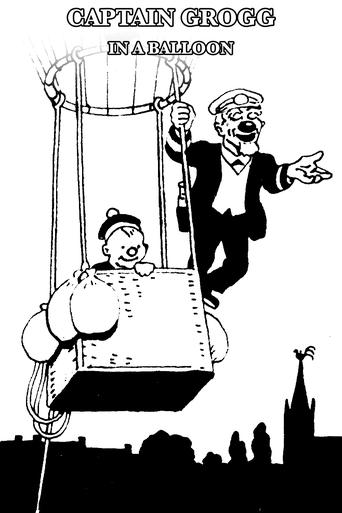
This film was part of Bergdahl's Captain Grogg series, created using cut-out animation techniques typical of early European animation. The production involved hand-drawn characters that were cut out and animated frame by frame, a labor-intensive process that required meticulous attention to detail. Bergdahl worked largely as a one-man studio, handling most aspects of production himself including drawing, animation, and direction.
Themes
Physical transformationSelf-acceptanceComedy of embarrassmentSocial expectationsHealth and fitness
Themes & topics
Historical background
Made in 1922, Captain Grogg Has Become Fat reflects production norms of late silent cinema and the transition toward sound—shorter runtimes, regional audiences, and limited preservation infrastructure.
Why this film matters
Historians reference Captain Grogg Has Become Fat (1922) when discussing 1922 film by Victor Bergdahl.
Making of
Victor Bergdahl created the Captain Grogg series using a combination of cut-out and cel animation techniques, which were innovative for Swedish cinema at the time. Working from his small studio in Stockholm, Bergdahl would spend weeks crafting each short film, personally drawing each frame and manipulating the paper cutouts. The weight gain theme was a popular comedic trope in early animation, allowing for exaggerated physical comedy and visual gags. Bergdahl was known to incorporate contemporary Swedish social commentary into his cartoons, using Captain Grogg's misadventures to gently mock societal norms and expectations of the time.
What critics said
Trade and revival screenings have kept Captain Grogg Has Become Fat (1922) on the map for collectors and scholars rather than mass first-run promotion.
Did you know?
- Captain Grogg was one of Sweden's first recurring animated characters, predating many famous international cartoon characters
- Victor Bergdahl was a pioneer of Swedish animation, often called the 'Swedish Walt Disney' in his home country
- The Captain Grogg series consisted of approximately 20 short films produced between 1916 and 1925
- This film was created during the silent era, so it relied entirely on visual storytelling without dialogue or synchronized sound
- Bergdahl's animations were known for their satirical take on contemporary Swedish society and culture
- The original Swedish title was 'Kapten Grogg har blivit fet'
- Many of Bergdahl's films, including this one, were distributed internationally and found audiences across Europe
- The animation style was influenced by American cartoons but retained a distinctly Scandinavian visual aesthetic
- Captain Grogg was often depicted as a sailor or sea captain, reflecting Sweden's maritime heritage
- These films were typically shown before feature presentations in Swedish cinemas
Visual style
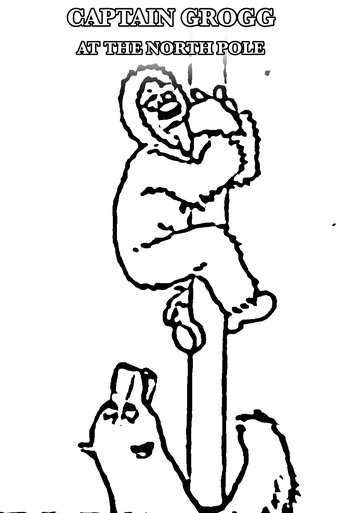
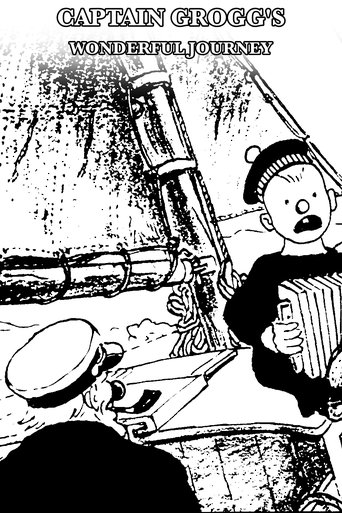
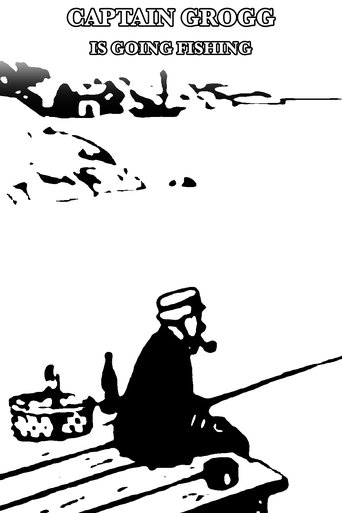
The film utilized static camera positions typical of early animation, focusing attention on the animated characters and their movements. The visual style employed simple backgrounds with detailed character animation, a technique that allowed Bergdahl to maximize his limited resources. The animation was created using a combination of cut-out techniques and early cel animation, resulting in a distinctive visual aesthetic characterized by bold outlines and simplified but expressive character designs. The black and white cinematography emphasized the contrast and clarity of the animated figures, making the visual gags more effective for silent era audiences.
Innovations
Victor Bergdahl's work on this film represented significant technical achievements for Swedish animation, particularly in his innovative use of combined animation techniques. The film demonstrated sophisticated timing and movement for its period, with smooth character animation that rivaled contemporary American productions. Bergdahl developed his own methods for creating consistent character movement across multiple films in the series, establishing an early form of character continuity in animation. The weight gain effects were achieved through careful planning of character design variations, showing an understanding of animation principles that was advanced for the time.
Music
As a silent film, Captain Grogg Has Become Fat would have been accompanied by live musical performance during theatrical exhibition. The typical presentation would have featured a pianist or small orchestra playing appropriate music to match the on-screen action. The score would likely have included popular songs of the era, classical pieces, and improvised music synchronized with the cartoon's comedic moments. No original composed score exists for this film, as was common with animated shorts of this period that relied on musical accompanists to provide appropriate mood music during screenings.
Memorable scenes
- The sequence where Captain Grogg attempts various exercises with increasingly disastrous results, culminating in him getting stuck in exercise equipment
- The scene where Grogg tries on multiple outfits that no longer fit his expanded frame
- The final sequence where Grogg either embraces his new size or finds an unexpected benefit to his weight
What audiences thought
The Captain Grogg series was highly popular with Swedish cinema audiences in the early 1920s. Theater-goers looked forward to the character's latest adventures, and the shorts became reliable crowd-pleasers that could draw audiences to theaters. The humor translated well across age groups, with children enjoying the slapstick comedy while adults appreciated the subtle social satire. The films' success led to international distribution, though Captain Grogg remained primarily a Swedish phenomenon. Audience letters and reviews from the period suggest that the weight gain theme in this particular installment was especially popular due to its relatable and visually comedic nature.
Film connections
Influenced by
- American animated shorts of the 1910s
- Felix the Cat cartoons
- Bringing Up Father comic strip
- European physical comedy traditions
This film influenced
- Subsequent Captain Grogg shorts
- Early Swedish animated features
- Scandinavian animation of the 1920s-30s
Film restoration
Many of Victor Bergdahl's Captain Grogg films, including this 1922 installment, are considered partially lost or exist only in fragmentary form. The Swedish Film Institute holds some materials from the series, though complete prints are rare. Some footage has been preserved through archival efforts, but the film exists primarily in historical records rather than as a fully viewable work. Preservation challenges include the deterioration of nitrate film stock and the loss of many early animated shorts due to their perceived disposable nature in the silent era.
Where to watch
- Swedish Film Institute archives
- Specialized animation film festivals
- Museum of Modern Art film collection
- European film archives with silent animation collections