

Captain Grogg is Going Fishing
"Captain Grogg nearly drowns fishing"
Keys: Space play/pause · ←/→ 10s · F fullscreen · M mute · </> speed
About this film
Captain Grogg tumbles into the sea on a fishing trip and is saved at the last moment. A 1921 Swedish animated grotesque.
Cast & crew
More Animation films
View all →

More from Victor Bergdahl
View all →

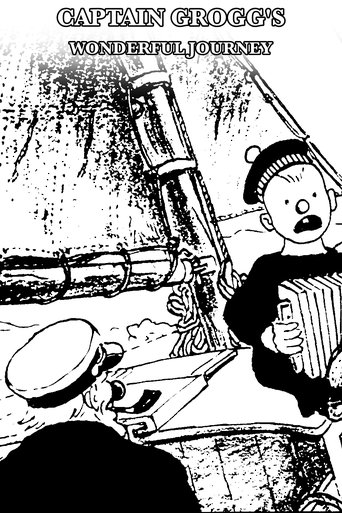
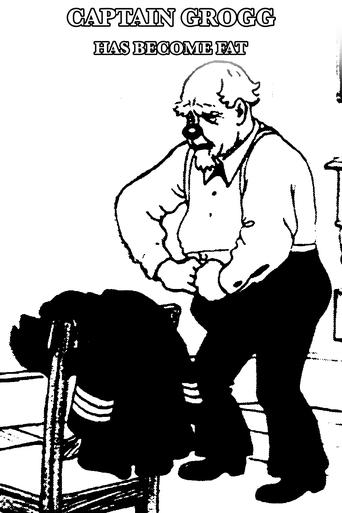

More about this film
About the production
Release date1921
ProductionVictor Bergdahl Filmstudio
Filmed inStockholm, Sweden
the release was created using cut-out animation techniques, which was common in early European animation. Victor Bergdahl personally animated the entire film, which was typical for independent animators of this period. The production would have been extremely labor-intensive, requiring each frame to be manually drawn and assembled.
Themes
Themes & topics
Historical background
Captain Grogg is Going Fishing (1921) reached audiences during the silent feature period, when exhibitors mixed shorts and features on the same program.
Why this film matters
Historians retain Captain Grogg is Going Fishing as a record of how filmmakers in 1921 addressed popular genres.
Making of
Victor Bergdahl created the release in his small Stockholm studio using primitive animation equipment. He worked alone, drawing each character and background element, then photographing them frame by frame using a makeshift animation stand. The cut-out technique involved creating paper characters with movable joints, allowing for limited but effective animation. Bergdahl would often spend weeks on a single minute of footage, making these shorts incredibly labor-intensive. The sea scenes were particularly challenging, requiring multiple layers of animation to create the illusion of water movement. Bergdahl's wife often assisted with the hand-coloring process, carefully painting each frame to create the final colored version.
What critics said
Trade coverage from 1921 treated Captain Grogg is Going Fishing as program material; later writers evaluate it through preservation and genre context.
Did you know?
- Captain Grogg was Victor Bergdahl's most famous recurring character, appearing in multiple short films throughout the 1920s
- the release is one of the earliest examples of Swedish animation, predating most of the country's animated works
- Victor Bergdahl was a self-taught animator who began his career as a cartoonist for newspapers
- The film was likely hand-colored frame by frame, a painstaking process common in premium animated shorts of the era
- Captain Grogg's character design was influenced by American cartoon styles but with distinct European sensibilities
- Only a few copies of Bergdahl's films survive today, making this piece particularly rare
- The film would have been accompanied by live music during its original theatrical screenings
- Bergdahl's animation studio was one of the very first in Sweden, essentially operating as a one-man production house
- The fishing theme was popular in early animation due to its visual potential for gags and action sequences
- the release was distributed internationally, helping establish Sweden as a producer of animated content
Visual style
The film utilized static camera angles typical of early animation, focusing on medium shots that allowed viewers to clearly see the characters' actions. The underwater scenes used special effects techniques involving layered animation to create the illusion of being submerged. The color was applied through hand-tinting each individual frame, resulting in a distinctive, slightly uneven color palette that adds to the film's vintage charm. The visual style emphasized bold outlines and simple, effective character designs that would read clearly even on small theater screens.
Innovations
The film showcased several innovative techniques for its time, including sophisticated cut-out animation that allowed for more fluid movement than typical stop-motion. Bergdahl developed his own methods for creating water effects using multiple layers of animated cels. The hand-coloring process, while labor-intensive, resulted in one of the more visually impressive animated shorts of 1921. The film's survival also demonstrates the durability of the physical film stock and preservation techniques of the era.
Music
As a silent film, Captain Grogg is Going Fishing would have been accompanied by live musical performance during theatrical screenings. The typical score would have been performed by a theater pianist or small orchestra, using popular music of the era and classical pieces to match the on-screen action. The fishing scenes would have been accompanied by peaceful, melodic music, while the drowning sequence would have featured dramatic, tense compositions. No original score was recorded for the film, as synchronized sound technology would not become standard for several more years.
Memorable scenes
- The dramatic moment when Captain Grogg falls overboard and struggles in the water, creating genuine tension despite the simple animation style. The scene effectively conveys panic and desperation through exaggerated movements and expressions, culminating in the last-second rescue that provides both relief and comedy.
What audiences thought
The film was well-received by audiences of the early 1920s, who were still fascinated by the novelty of animation. Captain Grogg's bumbling antics resonated with viewers, and the suspense of the drowning scene provided genuine tension despite the film's short length. The character became popular enough to warrant sequels, indicating strong audience response. Children particularly enjoyed the colorful visuals and simple story, while adults appreciated the technical achievement of the animation itself.
Film connections
Influenced by
- American newspaper comics
- Early Disney shorts
- European folk tales
- Slapstick comedy traditions
This film influenced
- Later Captain Grogg shorts
- Other Swedish animated productions
- European cut-out animation
Film restoration
The film is partially preserved in the Swedish Film Archive, though some degradation is evident. A restored version has been created from surviving prints, but some scenes remain incomplete. The film exists in both black and white and hand-colored versions, with the colored version being rarer. Preservation efforts continue to stabilize what remains of this important piece of animation history.
Where to watch
- Swedish Film Archive screenings
- Specialized animation festivals
- Academic film collections
- Online animation archives (limited availability)