

Captain Grogg takes a swim
"Grogg's swim ends in stolen clothes"
Keys: Space play/pause · ←/→ 10s · F fullscreen · M mute · </> speed
About this film
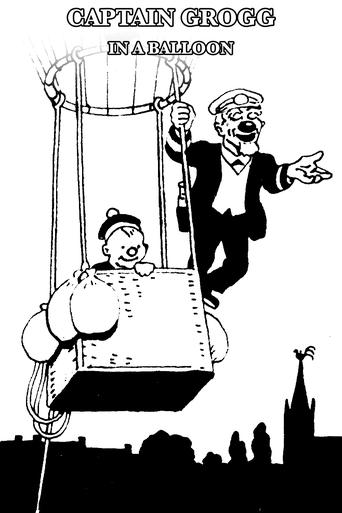
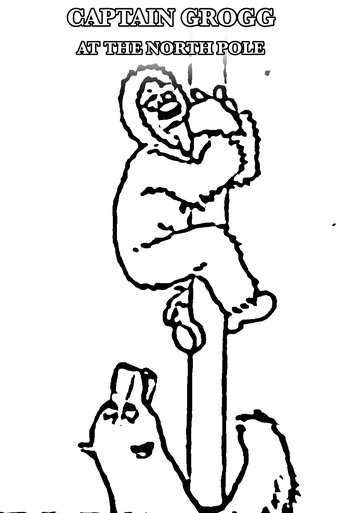
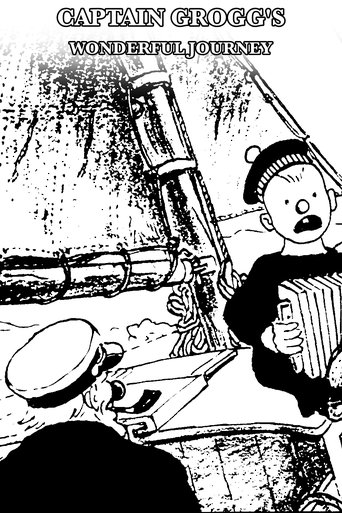
Captain Grogg and Kalle swim at the shore until monkeys steal their clothes in this Swedish animation short.
Cast & crew
More Animation films
View all →


More from Victor Bergdahl
View all →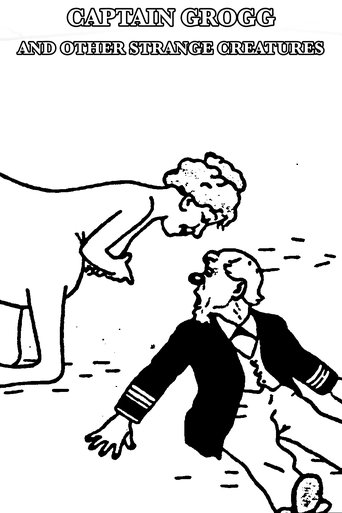


More about this film
About the production
Release date1919-12-25
ProductionVictor Bergdahl Filmstudio
Filmed inSweden
This film was created using cut-out animation techniques, a common method in early Swedish animation. Victor Bergdahl was known for his meticulous hand-drawn and cut-out style, often working alone on his productions. The film was part of Bergdahl's popular Captain Grogg series, which featured the adventures of the titular character and his companion Kalle.
Themes
Themes & topics
Historical background
The 1919 premiere of Captain Grogg takes a swim coincided with broader shifts in silent era culture, from technology to social norms.
Why this film matters
Captain Grogg takes a swim has outlived its original run as a document of silent era popular entertainment and craft.
Making of
Victor Bergdahl created this film in his personal studio in Stockholm, working primarily alone on the animation process. He used a combination of paper cut-outs and hand-drawn elements to create the characters and backgrounds. The animation was shot frame by frame using a primitive rostrum camera setup. Bergdahl was known for his attention to detail, often spending weeks perfecting a single sequence. The monkey characters were particularly challenging to animate due to their complex movements and the need to convey personality through motion alone. The film's simple plot allowed Bergdahl to focus on the physical comedy and timing that made his work popular with audiences of the era.
What critics said
Re-evaluation in film journals has kept Captain Grogg takes a swim in circulation among enthusiasts who track silent era releases.
Did you know?
- This is part of the Captain Grogg series, one of Sweden's first animated film series
- Victor Bergdahl was a pioneer of Swedish animation, often called the 'Walt Disney of Sweden'
- The film features no dialogue, relying entirely on visual storytelling and intertitles
- Captain Grogg was based on a comic strip character created by Bergdahl
- The monkeys in the film were animated to have exaggerated, human-like movements for comedic effect
- Bergdahl typically produced these films on a very low budget, often doing most of the animation work himself
- The film was distributed internationally, helping establish Swedish animation on the global stage
- Cut-out animation was chosen for its efficiency and cost-effectiveness in the post-WWI era
- The character Kalle was Captain Grogg's loyal companion in most of the series' installments
- This particular short was especially popular entries in the Captain Grogg series
Visual style
The film employed static camera angles typical of early animation, with the camera positioned directly above the animation surface. The cinematography focused on clear visibility of the animated elements, with simple, uncluttered backgrounds to emphasize the character movements. Bergdahl used careful lighting to create depth and shadow effects on the paper cut-outs, giving them a more three-dimensional appearance. The animation was shot at approximately 16 frames per second, standard for silent films of the era. The visual composition emphasized the physical comedy, with wide shots used to establish scenes and medium shots to focus on character interactions and gags.
Innovations
The film demonstrated advanced use of cut-out animation techniques for the time, with Bergdahl achieving smooth character movement through careful manipulation of paper elements. The animation featured relatively complex character designs with multiple moving parts, allowing for more expressive performances than simpler cut-out animations of the era. Bergdahl developed innovative methods for creating the illusion of water movement using layered transparent sheets with painted wave patterns. The film also showcased effective use of perspective and depth in animated backgrounds, creating more immersive environments than typical flat backgrounds of the period. The timing and spacing of the animation were particularly noteworthy, with Bergdahl demonstrating a sophisticated understanding of motion principles that would later be formally codified in animation theory.
Music
As a silent film, Captain Grogg takes a swim had no synchronized soundtrack. The original theatrical presentations would have featured live musical accompaniment, typically provided by a pianist or small orchestra in the cinema. The music would have been selected to match the on-screen action, with lively, playful tunes during the swimming sequences and more frantic music during the chase scenes with the monkeys. Some theaters may have used popular classical pieces or stock music from the era. Intertitles were used sparingly to convey essential plot points, with the story primarily told through visual means. Modern restorations of the film typically feature newly composed period-appropriate scores.
Famous quotes
(Intertitle) Captain Grogg and Kalle decide to take a swim
(Intertitle) While they swim, mischievous monkeys appear
(Intertitle) Oh no! Our clothes have disappeared!
(Intertitle) We must get our clothes back from those monkeys
Memorable scenes
- The opening scene where Captain Grogg and Kalle enthusiastically run toward the ocean, stripping off their clothes with cartoonish abandon
- The sequence where the monkeys sneak onto the beach and curiously examine the stolen clothing, trying on various items
- The climactic chase scene where Captain Grogg and Kalle, wearing improvised leaf coverings, pursue the monkeys through the jungle
What audiences thought
The film was very popular with Swedish audiences upon its release, with many attending multiple screenings to enjoy the physical comedy and charming characters. Children particularly enjoyed the mischievous monkeys and the humorous predicament of the main characters. The film's success led to increased demand for more Captain Grogg adventures, cementing the character's place in Swedish popular culture. International audiences also responded positively when the film was exported, with theater owners reporting good attendance for the short. The simple, visual nature of the humor made it accessible to audiences across language barriers, contributing to its international appeal. Many viewers of the era reported being impressed by the 'living drawings' and the magical quality of the animation.
Film connections
Influenced by
- American silent comedy films
- Early Disney animations
- European comic strips
- Slapstick theater traditions
This film influenced
- Later Captain Grogg shorts
- Other Swedish animated series of the 1920s
- European cut-out animations
Film restoration
The film is partially preserved with some elements existing in the Swedish Film Institute's archives. Several prints survive in various archives worldwide, though some show signs of deterioration. The film has been digitally restored by the Swedish Film Institute as part of their early Swedish animation preservation project. Some original intertitles may be missing or damaged in existing prints. The restoration work has helped stabilize the film for future generations, though some color tinting from original release prints may be lost.
Where to watch
- Swedish Film Institute's digital archive
- European Film Gateway streaming platform
- Specialized classic animation film festivals
- Museum of Modern Art's film collection screenings
- Various public domain animation compilation DVDs