

Captain Grogg's Wonderful Journey
"And his companion Kalle sail"
Keys: Space play/pause · ←/→ 10s · F fullscreen · M mute · </> speed
About this film
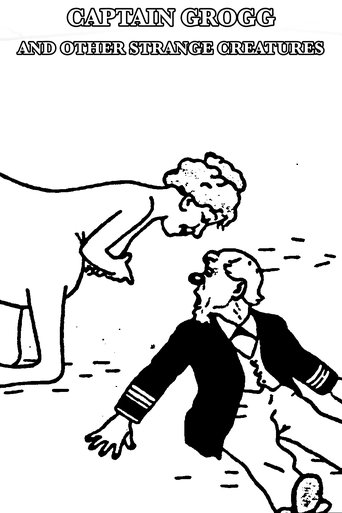
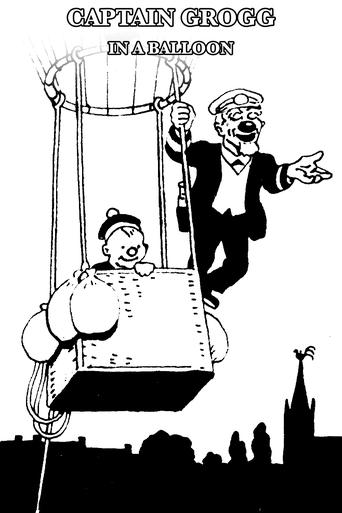
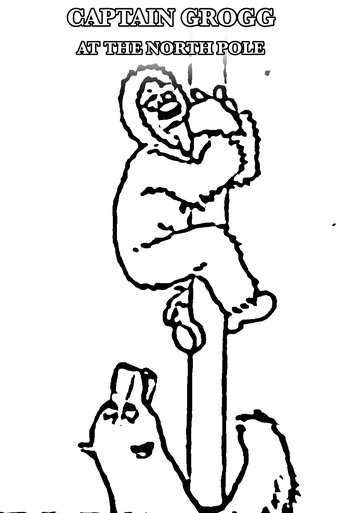
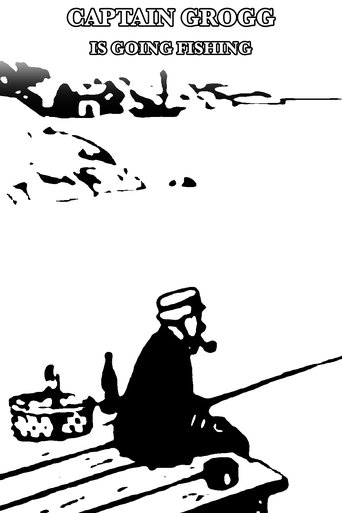
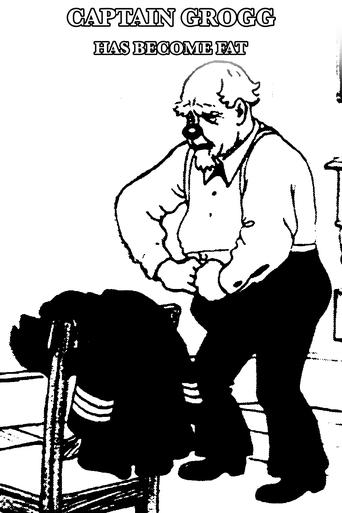
Kapten Groggs and his companion Kalle sail to foreign shores, encountering wild animals, stormy weather, and friendly villains.
Cast & crew
More Comedy films
View all →






More from Victor Bergdahl
View all →


More about this film
About the production
Release date1916
ProductionVictor Bergdahl Film
Filmed inSweden
Created using cut-out animation techniques typical of early Swedish animation. The film was part of a popular series featuring Captain Grogg, one of Sweden's first animated characters. Bergdahl produced these films in his home studio using primitive animation equipment by today's standards.
Themes
Themes & topics
Historical background
Made in 1916, Captain Grogg's Wonderful Journey reflects production norms of the silent era before feature-length dominance—shorter runtimes, regional audiences, and limited preservation infrastructure.
Why this film matters
Historians reference Captain Grogg's Wonderful Journey (1916) when discussing 1916 animated film by Victor Bergdahl.
Making of
Victor Bergdahl worked as essentially a one-man animation studio, creating these films in his home with minimal equipment. The cut-out animation technique involved creating characters and props from paper or cardboard, then photographing them frame by frame while making slight adjustments to create the illusion of movement. This labor-intensive process meant that even a short film like this could take weeks or months to complete. Bergdahl not only animated but also handled all aspects of production including story development, character design, and camera work. The films were silent, as was standard for the era, relying entirely on visual storytelling and exaggerated character movements to convey emotion and action.
What critics said
Retrospective notes on Captain Grogg's Wonderful Journey emphasize its value as a silent-era document rather than blockbuster reception.
Did you know?
- Captain Grogg was Sweden's first animated film character, created by Victor Bergdahl
- The film used cut-out animation technique rather than traditional cel animation
- Victor Bergdahl was a pioneering Swedish animator who worked almost entirely alone on his productions
- The Captain Grogg series was extremely popular in Sweden during the 1910s and 1920s
- Bergdahl created over 50 Captain Grogg shorts between 1916 and 1929
- The character's name 'Grogg' may have been inspired by the alcoholic beverage, suggesting a fun-loving personality
- These films were among the first animated works produced in Scandinavia
- The companion character Kalle was a recurring sidekick throughout the series
- Despite being Swedish productions, the films had international appeal due to their visual storytelling
- The animation was created frame by frame using paper cutouts moved manually under a camera
Visual style
The cinematography utilized the fixed camera perspective typical of early animation, with the camera positioned directly above the animation surface. Bergdahl employed basic but effective camera techniques including zooms and pans to enhance the storytelling. The visual style featured bold, simple character designs with strong silhouettes that worked well within the technical limitations of cut-out animation. The compositions were carefully planned to maximize clarity and visual impact, using the entire frame to tell the story. The animation, while primitive by modern standards, showed sophisticated understanding of movement and timing for its era.
Innovations
The film represented a significant technical achievement in Swedish animation, demonstrating mastery of cut-out animation techniques. Bergdahl developed innovative methods for creating smooth movement with limited materials, using hinges and careful positioning of paper elements. The film's multi-layered backgrounds and use of depth were advanced for the time. The production also pioneered animation techniques specific to the cut-out medium, including the use of interchangeable parts for characters to allow for more expressive poses. These technical innovations influenced other Scandinavian animators and helped establish regional animation techniques.
Music
As a silent film, Captain Grogg's Wonderful Journey would have been accompanied by live music during theatrical screenings. Typical accompaniment would have included a pianist or small orchestra playing popular songs of the era, classical pieces, or improvised music that matched the on-screen action. The music would have emphasized the adventurous tone, with dramatic passages during storm scenes and playful melodies during comic moments. No original score was composed specifically for the film, as was standard practice for short animated subjects of this period.
Memorable scenes
- The storm sequence where Captain Grogg and Kalle battle towering waves while trying to save their ship
- The encounter with exotic wild animals on a mysterious island, showcasing Bergdahl's creative character design
- The surprising moment when the seemingly dangerous villains reveal their friendly nature through helpful actions
What audiences thought
Swedish audiences of the 1910s embraced Captain Grogg with enthusiasm, making the character a beloved figure in Swedish popular culture. The films were particularly popular with children but also attracted adult viewers who appreciated the technical novelty and humor. The series ran for over a decade, indicating sustained audience interest. Captain Grogg merchandise, including postcards and children's books, became popular, demonstrating the character's cultural penetration. The films' success proved that there was a domestic market for Swedish-produced animation during an era when most entertainment was imported.
Film connections
Influenced by
- American early animation
- European comic strips
- Silent film comedy
- Adventure literature
This film influenced
- Later Captain Grogg shorts
- Swedish animation of the 1920s
- Scandinavian animated series
Film restoration
Many early Captain Grogg films, including this 1916 entry, are believed to be lost or exist only in fragmentary form. The Swedish Film Institute has made efforts to preserve and restore surviving examples of Bergdahl's work, but the fragile nature of early nitrate film stock and the passage of time have taken their toll. Some fragments may exist in private collections or film archives, but a complete version of this specific film may be lost to history.
Where to watch
- Swedish Film Institute archive (for researchers)
- Occasional screenings at silent film festivals
- Potential inclusion in early animation retrospectives
- Limited availability through specialized film archives