
Cheese Burglar
"1946 film by Isadore Sparber"
Keys: Space play/pause · ←/→ 10s · F fullscreen · M mute · </> speed
About this film
While cats and dogs are natural enemies, such is not the case in the house where Herman the mouse lives. They are very good friends indeed, are work together to make Herman's life a hard life. Herman tries to break up their friendship, and divert their attention from guarding the cheese in the refrigerator, and almost succeeds but they make up in time to prevent Herman getting the cheese. They give chase and Herman takes refuge in a jug of wine.
Cast & crew
More Comedy films
View all →






More from Izzy Sparber
View all →

More about this film
About the production
Release dateJuly 19, 1946
ProductionFamous Studios, Paramount Pictures
Filmed inNew York, New York (Famous Studios animation facility)
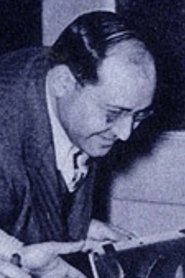
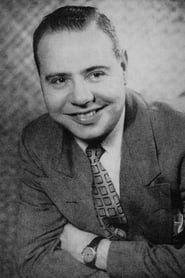
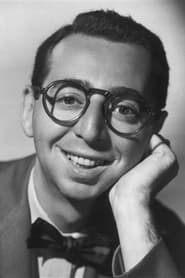
Cheese Burglar was produced during the golden age of American theatrical animation, created at Famous Studios which was Paramount's animation division after taking over from Fleischer Studios. The short was part of the Noveltoons series, which ran from 1943 to 1967 and featured various characters in standalone stories. The animation was created using traditional cel animation techniques, with each frame hand-drawn and painted on celluloid sheets. The production team utilized the multiplane camera for certain scenes to create depth and dimension, particularly in the chase sequences through the house. The voice work was recorded at Paramount's sound stages in New York, with Jackson Beck providing the narrator's voice and Carl Meyer and Arnold Stang contributing character voices.
Themes
Friendship and cooperationDeception and manipulationPerseverance in pursuit of goalsUnlikely alliancesClassic predator-prey dynamics
Themes & topics
Historical background
Made in 1946, Cheese Burglar reflects production norms of World War II and immediate postwar filmmaking—shorter runtimes, regional audiences, and limited preservation infrastructure.
Why this film matters
Historians reference Cheese Burglar (1946) when discussing 1946 film by Isadore Sparber.
Making of
The production of Cheese Burglar took place during a transitional period in American animation history. Famous Studios, under the leadership of Sam Buchwald, Seymour Kneitel, and Izzy Sparber, was establishing its own identity separate from the Fleischer Studios legacy. The animation team faced challenges with wartime resource allocation, as many materials were rationed due to World War II. Despite these constraints, the studio managed to maintain high production quality. The voice recording sessions were particularly memorable, with Jackson Beck's commanding narration providing the story's backbone. The animators drew inspiration from classic silent comedy techniques, using exaggerated movements and visual gags to tell the story without dialogue from the animal characters. The wine jug ending sequence required careful animation to show Herman's perspective from inside the liquid, a technical challenge that the team solved using specialized cel layering techniques.
What critics said
Trade and revival screenings have kept Cheese Burglar (1946) on the map for collectors and scholars rather than mass first-run promotion.
Did you know?
- This was one of the early Noveltoons produced by Famous Studios after they took over from Fleischer Studios in 1942
- Jackson Beck, who provided narration, was also famous for voicing Popeye's nemesis Bluto and the narrator for the Superman radio series
- Arnold Stang would later become famous for his distinctive voice and comedic acting, including roles in 'It's a Mad, Mad, Mad, Mad World' and as the voice of Top Cat in the Hanna-Barbera cartoon
- The film's title is a play on words, combining 'cheese' (the mouse's goal) with 'burglar' (his criminal intent)
- Director Izzy Sparber was one of the key animators who moved from Fleischer Studios to Famous Studios during the transition
- The cartoon features no dialogue from the animal characters, relying entirely on visual storytelling and narration
- The wine jug ending sequence was considered somewhat controversial for its implied alcohol consumption, though it was common in cartoons of this era
- This was one of the few cartoons where the traditional cat-mouse-dog triangle was subverted by having the cat and dog as allies
- The animation style reflects the transition from the more surreal Fleischer style to the more realistic approach favored by Famous Studios
- The short was originally released theatrically as part of a double feature with live-action Paramount films
Visual style
The visual style of Cheese Burglar employs traditional cel animation techniques characteristic of mid-1940s American animation. The cinematography utilizes the multiplane camera system to create depth in interior scenes, particularly effective during the chase sequences through the house. The color palette is vibrant and saturated, taking full advantage of Technicolor's capabilities with warm domestic interiors and bold character designs. Camera movements include dynamic pans and zooms during action sequences, while more static compositions are used for narrative exposition. The animation features smooth character movement with exaggerated squash and stretch techniques, especially during comedic moments. The visual storytelling relies heavily on composition and framing, with careful attention to sight lines and character positioning to enhance the comedy and narrative clarity.
Innovations
Cheese Burglar utilized several technical innovations common to Famous Studios productions of the mid-1940s. The animation employed advanced cel layering techniques to create complex scenes with multiple moving elements, particularly evident in the chase sequences. The multiplane camera system was used to create depth perception in interior shots, giving the household setting a three-dimensional quality. The cartoon features sophisticated color processing through Technicolor's three-strip process, allowing for rich, saturated hues that were cutting-edge for the time. The sound recording utilized magnetic tape technology, which was relatively new in 1946 and provided better audio quality than previous optical sound methods. The animation team developed specialized techniques for the wine jug sequence, using distorted perspective and bubble effects to convincingly portray Herman's underwater experience.
Music
The musical score for Cheese Burglar was composed by Winston Sharples, Famous Studios' resident composer who created music for hundreds of their animated shorts. The soundtrack features lively orchestral arrangements typical of 1940s cartoon scores, with prominent use of woodwinds and brass instruments to accentuate the comedic action. The music incorporates various musical motifs that recur throughout the short, helping to establish character themes and emotional beats. Jackson Beck's narration is delivered in a warm, storytelling style that guides viewers through the visual narrative. Sound effects were created using traditional Foley techniques, with exaggerated impacts and movements that complement the cartoon's physical comedy. The audio mix balances the narration, music, and sound effects to maintain clarity during both quiet narrative moments and chaotic chase sequences.
Famous quotes
While cats and dogs are natural enemies, such is not the case in the house where Herman the mouse lives.
They are very good friends indeed, and work together to make Herman's life a hard life.
Memorable scenes
- The opening sequence establishing the unusual friendship between the cat and dog as they work together to thwart Herman's cheese-stealing attempts, the climactic chase through the household where Herman desperately tries to escape the reunited cat-and-dog team, and the final scene where Herman takes refuge in the wine jug, creating a visually striking sequence with the mouse viewed through the liquid and glass.
What audiences thought
Theatrical audiences in 1946 responded positively to Cheese Burglar, with the cartoon proving popular as part of theater programs. Children particularly enjoyed the slapstick comedy and chase sequences, while adults appreciated the clever subversion of animal character expectations. The cartoon's premise of unlikely friendship resonated with post-war audiences who valued themes of cooperation and unity. The short's moderate success contributed to the continued production of the Noveltoons series throughout the late 1940s. Modern audiences discovering the cartoon through animation festivals and archival screenings often find it charming as a time capsule of 1940s animation style and humor, though some contemporary viewers find the pacing slower compared to modern animation.
Film connections
Influenced by
- Tom and Jerry series
- Looney Tunes
- MGM cartoons
- Fleischer Studios style
- Silent comedy films
This film influenced
- Later Noveltoons productions
- Hanna-Barbera animal cartoons
- Various 1950s animated shorts
Film restoration
Cheese Burglar has been preserved through various film archives and private collections. The original Technicolor negatives are maintained in the Paramount Pictures library, and the cartoon has been digitally restored for modern viewing. The short is available through various public domain collections and animation archives, ensuring its survival for future generations. Some deterioration is visible in existing prints, particularly in color fidelity, but the overall film remains in good condition considering its age and the technological limitations of preservation in the mid-20th century.
Where to watch
- Internet Archive (public domain)
- YouTube (various uploads)
- Classic cartoon streaming services
- Animation archive collections
- DVD compilations of public domain cartoons