Coney Island at Night
"It then moves in for closer views of Dreamland and Luna Park."
Keys: Space play/pause · ←/→ 10s · F fullscreen · M mute · </> speed
About this film
A panorama of Coney Island, taken at night: the camera sweeps across the scene from a vantage point well above the area. It then moves in for closer views of Dreamland and Luna Park.
Cast & crew
More films like this
More Documentary films
View all →
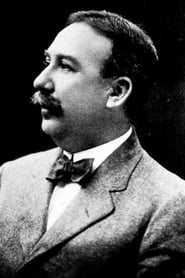
More from Edwin S. Porter
View all →

More about this film
About the production
Release dateJuly 1905
BudgetNot documented for this era of filmmaking
Box officeBox office records were not systematically maintained for short films in 1905
ProductionEdison Manufacturing Company
Filmed inConey Island, Brooklyn, New York
Was one of the earliest successful attempts at night cinematography, requiring special lighting techniques and camera adjustments. The production crew had to work with the existing electric lighting of the amusement parks, which was itself a relatively new technology. The camera movements, particularly the sweeping pan and closer zooms, were technically challenging for the equipment of the time. Porter and his team likely used specially prepared film stock with increased light sensitivity to capture the nighttime scenes.
Themes
Urban modernityTechnological progressAmerican leisure cultureThe spectacle of electric lightingMass entertainment
Themes & topics
documentarynight photographyamusement parkConey Islandelectric lightingpanoramaearly cinemaEdison StudiosBrooklynturn of the century
Historical background
Made in 1905, in United States, under Edwin Stanton Porter, Coney Island at Night belongs to silent filmmaking during early cinema when shorts dominated nickelodeon programs.
Why this film matters
Within silent history, Edwin Stanton Porter's name attaches to the work; surviving prints help researchers study silent-era craft; 1905 film by Edwin Stanton Porter.
Making of
The production of 'Coney Island at Night' represented a significant technical challenge for Edwin S. Porter and his crew at Edison Studios. Night filming in 1905 required overcoming numerous obstacles, including the extremely slow light sensitivity of contemporary film stock. The team likely had to use special cameras and potentially modified equipment to capture the illuminated scenes. The camera movements, particularly the panoramic sweep and subsequent closer shots, demonstrate Porter's innovative approach to cinematography beyond the static shots common in early films. The production would have required coordination with the amusement park management to film during operating hours, potentially working around crowds while trying to capture clear footage of the spectacular lighting displays that made Coney Island famous.
What critics said
Contemporary reviews of Coney Island at Night are sparse in open sources; later catalog entries chiefly summarize plot and credits.
Did you know?
- Was created just a few years after Luna Park opened in 1903, capturing one of America's first modern amusement parks in its early glory
- Edwin S. Porter was one of Thomas Edison's most important directors at the Edison Manufacturing Company
- Dreamland, which opened in 1904 and burned down in 1911, making this footage historically significant
- Night photography was extremely difficult in 1905 due to the slow film speeds and limited lighting technology available
- Coney Island was one of the first places in America to have widespread electric lighting, making it an ideal subject for early night filming
- Part of Edison's 'Actualities' series, which were short documentary films depicting real scenes and events
- This footage provides some of the earliest moving images of electric lighting in an entertainment setting
- The camera movements in the film were innovative for the time, showing Porter's experimentation with cinematic techniques beyond static shots
- Coney Island during its peak years as 'America's Playground,' when it attracted millions of visitors annually
- Porter's previous work included 'The Great Train Robbery' (1903), making him important early American filmmakers
Visual style
The cinematography in 'Coney Island at Night' was for its time, representing one of the earliest successful attempts at night filming. Porter employed a combination of wide panoramic shots and closer views, demonstrating sophisticated camera movement techniques that were still experimental in 1905. The film captures the spectacular electric lighting of the amusement parks, which would have required special handling of the film stock and camera equipment. The sweeping pan across the Coney Island landscape shows an understanding of cinematic space that was ahead of its time. The contrast between the dark night sky and the brilliantly illuminated attractions creates visual drama that would have been striking to contemporary audiences. Porter's approach to composition balances documentary observation with an artistic appreciation for the spectacle he was capturing.
Innovations
The primary technical achievement of 'Coney Island at Night' was its successful execution of night cinematography at a time when film emulsions were extremely slow and lighting technology was limited. Porter and his crew overcame the technical challenges of filming in low light conditions, likely using specially prepared film stock and potentially longer exposure times. The camera movements, including the panoramic sweep and zoom-like closer shots, demonstrated advanced understanding of cinematic techniques that were still being developed. The film also represents an early example of location shooting in challenging conditions, as the crew had to work with the existing lighting of the amusement parks rather than controlled studio lighting. The preservation of detail in the illuminated areas while maintaining some definition in the darker areas shows considerable technical skill for the era.
Music
As a film from 1905, 'Coney Island at Night' was a silent production with no synchronized soundtrack. In typical exhibition practice of the era, the film would have been accompanied by live musical performance, often a pianist or small ensemble in the theater. The music would have been selected to complement the visual content, likely featuring popular songs of the period or classical pieces that matched the mood of the spectacular nighttime scenes. Some theaters might have used sound effects to enhance the viewing experience, though this would have varied by venue. The absence of recorded sound was standard for all films of this period, with the emphasis entirely on the visual spectacle.
Famous quotes
No dialogue in this silent film
Memorable scenes
- The opening panoramic sweep across the illuminated Coney Island landscape, capturing the full scope of the amusement parks' electric lighting display
- The closer views of Dreamland's spectacular architecture and lighting, showcasing one of America's first modern amusement parks
- The camera movement that takes viewers from a distant overview to intimate views of the park attractions, demonstrating early cinematic techniques
What audiences thought
Audiences in 1905 would have been fascinated by this film for multiple reasons. Many viewers had never seen Coney Island's famous electric lighting displays in person, making the film a window into a modern spectacle. The technical achievement of capturing night scenes on film would have been impressive to contemporary audiences familiar with the limitations of early cinema. The film likely played in vaudeville theaters and nickelodeons as part of varied programs, serving as both entertainment and a form of virtual tourism. For audiences who had visited Coney Island, the film would have been a nostalgic reminder of their experiences, while for others, it would have been an introduction to one of America's most famous entertainment destinations.
Film connections
Influenced by
- Lumière brothers' actualities
- Edison's own documentary shorts
- Earlier panorama films
- Travelogue films of the era
This film influenced
- Later city symphony films of the 1920s
- Documentary films about urban life
- Night photography in cinema
- Travel documentaries
Film restoration
Preserved in the Library of Congress and other film archives. A 35mm print exists in the collection of the Museum of Modern Art's Department of Film. The film has been digitized and is available through various archival collections, ensuring its preservation for future generations. While some deterioration typical of films from this period may exist, the footage remains viewable and historically valuable.
Where to watch
- Library of Congress National Screening Room
- Museum of Modern Art film collection
- Various film archive websites
- Early cinema compilation DVDs
- Academic film collections
- Internet Archive (if available)
- Specialized streaming services for classic films