
Cubby's Stratosphere Flight
"Cubby flies north — jazz in the igloo"
Keys: Space play/pause · ←/→ 10s · F fullscreen · M mute · </> speed
About this film
Cubby Bear's Rube Goldberg flying machine reaches the North Pole, dodging polar bear cop into igloo speakeasy with musical floor show. Van Beuren cartoon piles absurd machinery and jazz-age nightclub gags.
Cast & crew
More Animation films
View all →


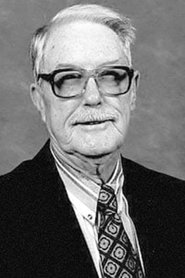
More from Vernon Stallings
View all →
More about this film
About the production
Release date1934-03-23
ProductionVan Beuren Studios
Filmed inNew York, New York
Cubby's Stratosphere Flight was produced during the transition period from silent to sound animation, showcasing the studio's adaptation to new technologies. The film features Cubby, a character created by Vernon Stallings, who was part of Van Beuren's attempt to create recurring characters to compete with Disney's Mickey Mouse and Fleischer's Betty Boop. The animation style is characteristic of early 1930s cartoons, with rubber hose limbs and exaggerated movements. The production utilized the multiplane camera technique for certain scenes to create a sense of depth in the stratosphere sequences.
Themes
Innovation and inventionEscape and adventureProhibition and rebellionMusic and celebrationChildhood imagination
Themes & topics
Rube Goldberg machineNorth PolePolar bearSpeakeasyMusical numberFlying machineArctic adventureChase sequenceTransformationJazz age
Historical background
Cubby's Stratosphere Flight (1934) belongs to Van Beuren's Cubby Bear series during Depression-era animation wars.
Why this film matters
Rube Goldberg contraptions and speakeasy gags typify early sound cartoon energy before Hays Code tightening.
Making of
The production of Cubby's Stratosphere Flight took place during a tumultuous period for Van Beuren Studios, which was struggling financially and creatively against industry giants like Disney and Fleischer. Director Vernon Stallings, who had previously worked on the 'Aesop's Fables' series, brought his innovative approach to character animation to this project. The speakeasy sequence was particularly challenging to animate, requiring careful choreography of multiple animal characters performing simultaneously. The studio's limited budget meant that animators often had to reuse and modify existing animation cycles, a practice common in smaller studios of the era. The voice work was performed by in-house talent, with sound effects created using everyday objects in the studio's foley room. The film's musical score was composed by Gene Rodemich, who was Van Beuren's primary musical director during this period.
What critics said
Matinee audiences got quick laughs; historians note Van Beuren's struggle against Disney dominance.
Did you know?
- This was one of the last Cubby cartoons produced by Van Beuren Studios before they closed their animation department in 1936
- The polar bear character was designed as a parody of Prohibition-era police officers, reflecting the speakeasy theme
- The musical floor show sequence was one of the earliest examples of integrating full musical numbers into short-form animation
- Director Vernon Stallings later went on to work at Disney Studios, contributing to films like 'Fantasia' and 'Dumbo'
- The Rube Goldberg machine in the film was inspired by the popular cartoonist's work, which was at its peak popularity in the early 1930s
- The film's title was originally going to be 'Cubby Goes North' but was changed to capitalize on the public's fascination with aviation and stratosphere exploration
- The igloo speakeasy transformation sequence required over 500 individual animation cels
- This short was part of a theatrical package that included a newsreel, a feature film, and another cartoon, typical of movie programming in the 1930s
- The film's soundtrack featured an early use of the 'talkie' technique where characters' mouths were synchronized to dialogue and songs
- Van Beuren Studios used the production to experiment with Technicolor processes, though the final release was in black and white
Visual style
The film employs traditional cel animation techniques characteristic of the early 1930s, with notable use of the multiplane camera to create depth in the stratosphere flight sequences. The visual style features the 'rubber hose' animation technique popular during this era, with characters having flexible, boneless limbs. The color palette, despite being black and white, uses tonal variations effectively to distinguish between different environments - the warm tones of Cubby's home, the cool grays of the arctic landscape, and the dramatic shadows of the speakeasy. The animation of the Rube Goldberg machine demonstrates sophisticated mechanical movement, while the musical numbers feature dynamic camera movements and creative staging.
Innovations
Cubby's Stratosphere Flight showcased several technical innovations for its time, particularly in its use of the multiplane camera system to create depth during the flight sequences. The animation of the Rube Goldberg machine demonstrated sophisticated mechanical understanding and timing, requiring precise synchronization of multiple moving parts. The film also featured early experiments with character lip synchronization, though the results were sometimes inconsistent. The speakeasy transformation sequence required innovative use of dissolves and morphing techniques to smoothly transition the igloo into a jazz club. The production team developed new methods for creating convincing snow and ice effects using cel animation techniques that would influence later winter-themed cartoons.
Music
The musical score for Cubby's Stratosphere Flight was composed by Gene Rodemich, Van Beuren Studios' musical director, who incorporated elements of jazz and popular music of the period. The speakeasy sequence features an original musical number with lyrics that parody contemporary songs about nightlife and prohibition. Sound effects were created using innovative foley techniques, with the flying machine's sounds produced by combining various mechanical noises. The film's soundtrack represents an early example of synchronized sound in animation, with dialogue, music, and effects carefully timed to the visuals. The score was recorded using the RCA Photophone system, one of the leading sound-on-film technologies of the era.
Famous quotes
This flying machine will take me to the stratosphere!
Welcome to the North Pole's hottest spot!
Even polar bears need to let loose sometimes!
Memorable scenes
- The elaborate Rube Goldberg machine sequence where Cubby's contraption comes to life with chain reactions and mechanical precision
- The transformation of the simple igloo into a vibrant speakeasy complete with jazz music and dancing animals
- The chase sequence through the arctic landscape where Cubby outsmarts the polar bear traffic cop using various snow-based tricks
What audiences thought
Audiences of 1934 reportedly enjoyed Cubby's Stratosphere Flight for its slapstick humor and musical entertainment, with theater owners noting that it received good audience reactions as part of their programming. The film's blend of fantasy, comedy, and music appealed to family audiences seeking lighthearted entertainment during difficult economic times. While Cubby never achieved the popularity of Mickey Mouse or Betty Boop, the character developed a modest following among regular moviegoers who appreciated his mischievous adventures. The speakeasy sequence was particularly well-received, with audiences responding positively to the unexpected musical number featuring Arctic animals.
Film connections
Influenced by
- Rube Goldberg cartoons
- Disney's 'Silly Symphonies'
- Fleischer Studios' 'Talkartoons'
- Jazz Age culture
- Aviation enthusiasm of the 1930s
This film influenced
- Van Beuren's subsequent Cubby cartoons
- Later Arctic-themed animations
- Cartoons featuring complex mechanical sequences
Film restoration
The film exists in 16mm and 35mm prints in various film archives and private collections. While not officially restored, several versions have been digitally transferred for preservation purposes. The quality varies depending on the source material, with some prints showing signs of deterioration common to nitrate film of the era. The Library of Congress holds a reference copy in their motion picture collection.
Where to watch
- Available on various public domain animation compilation DVDs
- Can be found on some streaming platforms specializing in classic animation
- Accessible through film archive websites and YouTube channels dedicated to public domain cartoons
- Occasionally screened at animation festivals and classic film retrospectives