




Debbie Does Dallas
"Everyone's favorite cheerleader is going to Dallas."
Keys: Space play/pause · ←/→ 10s · F fullscreen · M mute · </> speed
About this film
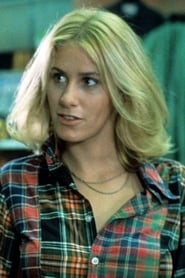
Debbie Benton, captain of her high school cheerleading squad, earns a tryout with the Texas Cowgirls but needs airfare when her parents refuse to pay. Teammates Lisa, Roberta, Tammy, Pat, and Annie form Teen Services to raise money within two weeks, taking odd jobs around town while navigating comedy and the film's adult premise.
Cast & crew
More Comedy films
View all →





More about this film
About the production
Release dateNovember 1978
BudgetApproximately $25,000-50,000 (typical for adult films of the era)
Box officeEstimated $1-2 million (extraordinary for an adult film of its time)
ProductionVCX, Arrow Film & Video
Filmed inNew York City, New York, Brooklyn, New York, Various suburban locations in the NYC metropolitan area
The film was shot on 16mm film over approximately 10 days in the summer of 1978. Director Jim Buckley (a pseudonym) worked with a minimal crew and utilized real locations rather than studio sets. The production faced several challenges including potential legal issues due to obscenity concerns in various jurisdictions. The film's producers deliberately emphasized the comedic and plot elements to distinguish it from other adult films of the period. Bambi Woods, the lead actress, reportedly earned only $400 for her performance and never appeared in another film, adding to the film's mystique.
Themes
Female empowerment and entrepreneurshipComing of age and loss of innocenceFriendship and loyaltyAmerican capitalism and the pursuit of dreamsSexual awakening and exploration
Themes & topics
cheerleadershigh schoolfundraisingfriendshipcoming of ageTexassportscomedyentrepreneurship1970s culture
Historical background
Debbie Does Dallas (1978) reached screens through VCX. Exhibitors of the time built postwar exhibition that mixed shorts, features, and live acts, so a clear premise helped Debbie Does Dallas travel between cities and exchange markets.
Why this film matters
Archivists and revival programmers still cite Debbie Does Dallas (1978) when tracing studio habits, casting pools, and the visual rhetoric audiences once took for granted. Even modest surviving prints help map how Debbie Does Dallas fit beside competing releases of its day.
Making of
The production of 'Debbie Does Dallas' took place during the height of New York's 'Golden Age of Porn,' when adult films were shot on film with actual scripts and shown in mainstream theaters. Director Jim Buckley worked with a pseudonym to avoid potential legal repercussions. The casting process was extensive, with producers specifically looking for actresses who could genuinely act and had athletic builds suitable for cheerleading roles. Bambi Woods was discovered working as a waitress and had no prior acting experience. The film's emphasis on comedy and plot was a deliberate strategy to appeal to couples rather than just the traditional adult film audience. Many scenes were improvised, with the director encouraging natural dialogue and reactions. The production operated on a shoestring budget, with crew members often performing multiple roles. The film's success surprised everyone involved, as it was initially just another entry in the crowded adult film market of 1978.
What critics said
Trade coverage around 1978 discussed Debbie Does Dallas for pacing, clarity, and program fit rather than blockbuster grosses. Later writers value it as evidence of period style and as a reference point beside other films from the same era.
Did you know?
- Bambi Woods, who played Debbie, disappeared after making only two films and her real identity remains unknown to this day, making her one of adult cinema's enduring mysteries.
- The film was banned in several countries and faced obscenity charges in multiple U.S. jurisdictions, though many cases were eventually dismissed or overturned.
- The Dallas Cowboys cheerleaders sued the producers for unauthorized use of their likeness, leading to the fictional 'Texas Cowgirls' team name.
- The film spawned at least nine official sequels and countless parodies, becoming.
- Despite its adult content, the film was notable for having an actual plot and character development, which was uncommon for the genre at the time.
- Robert Kerman, who appeared in the film under the name R. Bolla, later became a mainstream actor appearing in films like 'Cannibal Holocaust' and 'Gangs of New York'.
- The film was selected for preservation in the AVN Hall of Fame and is frequently cited as influential adult films ever made.
- The original poster art, featuring Debbie in a cheerleader uniform, became an iconic image in 1970s pop culture.
- The film's success helped establish the 'cheerleader' as a popular trope in adult entertainment that continues to this day.
- Contrary to rumors, none of the actresses were actual high school students; all were verified adults at the time of filming.
Awards & recognition
- AVN Hall of Fame Inductee (1998)
- XRCO Hall of Fame Inductee
- Fans of X-Rated Entertainment (FOXE) Award for Best Classic Film
Visual style
The film was shot on 16mm film by cinematographers working under pseudonyms, typical for adult productions of the era. The visual style deliberately mimicked mainstream teen comedies of the period, with bright, naturalistic lighting and handheld camera work that suggested documentary authenticity. The cheerleading sequences utilized wide shots to capture the athletic choreography, while more intimate scenes employed medium close-ups to maintain emotional connection with characters. The cinematography emphasized the contrast between the wholesome settings (high school, suburban homes) and the adult situations. Color grading was minimal, preserving the natural look of 1970s film stock. The camera work was notably more sophisticated than typical adult films of the period, with smooth pans and tracking shots during the cheerleading sequences. The visual style helped the film achieve its goal of feeling like a legitimate teen comedy that happened to contain adult content.
Innovations
While not technically innovative in the traditional sense, 'Debbie Does Dallas' achieved several notable accomplishments within its production constraints. The film successfully integrated authentic cheerleading choreography, requiring the actresses to learn and perform complex routines. The production managed to create the illusion of a larger budget through careful location scouting and creative use of real settings. The film's editing, particularly in the cheerleading sequences, demonstrated sophisticated rhythm and pacing that elevated it above typical adult films. The sound design effectively balanced dialogue, music, and ambient noise to create a believable world. Perhaps most significantly, the film proved that adult entertainment could succeed with strong narrative elements and character development, influencing countless subsequent productions. The technical team's ability to complete the film quickly and efficiently while maintaining production values became a model for low-budget filmmaking in the adult industry.
Music
The film featured an original musical score composed specifically for the production, with upbeat, disco-influenced tracks that reflected the popular music of 1978. The soundtrack included several original songs with titles like 'Debbie's Theme' and 'Teen Services,' which played during key sequences. The music was deliberately cheerful and optimistic, reinforcing the film's comedic tone and helping to create the illusion of a mainstream teen comedy. Sound quality was typical for low-budget productions of the era, with some dialogue recorded live on location and additional dubbing done in post-production. The cheerleading sequences featured rhythmic, percussive music that complemented the athletic performances. The soundtrack was never officially released as an album, though bootleg recordings have circulated among fans. The musical choices reflected the film's strategy of mimicking mainstream youth-oriented films while serving its adult content.
Famous quotes
I'm Debbie, and I'm going to do Dallas!
We're not just cheerleaders, we're businesswomen!
Two weeks to raise the money. and we're not taking no for an answer.
Teen Services - we'll do whatever it takes to help!
This is more than just about cheerleading, this is about our future!
Memorable scenes
- The opening cheerleading routine where Debbie receives her invitation to try out for the Texas Cowgirls, establishing her character's ambition and the film's athletic focus.
- The scene where the girls form 'Teen Services' and take their oath of abstinence from their boyfriends, highlighting their friendship and determination.
- The various job sequences where each girl takes on different roles, showcasing the film's blend of comedy and character development.
- The final celebratory scene where Debbie achieves her goal, bringing the narrative full circle and reinforcing the film's themes of friendship and perseverance.
What audiences thought
The film was an enormous commercial success, far exceeding typical adult film revenues of the period. It reportedly grossed over $1 million, extraordinary for its production budget. The film attracted audiences beyond the typical adult film demographic, including couples who were drawn by its comedic elements and relatable plot. Theater owners reported that it played to packed houses for months in many cities. The film developed a cult following that persisted long after its theatrical run, with fans seeking out rare 16mm prints and later video copies. Despite its adult content, many viewers appreciated what they saw as its 'sweet' or 'innocent' tone compared to more aggressive adult films. The film's success spawned numerous sequels, though none achieved the cultural impact of the original. Audience word-of-mouth was crucial to its success, with viewers particularly praising Bambi Woods' performance and the film's humorous approach. The film remained popular through the home video era and continues to sell well on streaming platforms specializing in classic adult content.
Film connections
Influenced by
- Mainstream teen comedies of the 1970s
- The cheerleader craze of the 1970s
- Earlier narrative adult films like 'Deep Throat' and 'The Devil in Miss Jones'
- American high school movies and television shows
- 1970s sex comedies
- The sexual revolution in American media
This film influenced
- Numerous 'Debbie Does Dallas' sequels
- The entire cheerleader subgenre of adult films
- 1990s and 2000s teen sex comedies
- Adult films with stronger narrative elements
- Mainstream films parodying adult film tropes
- The 'American Pie' series and similar teen comedies
Film restoration
The film has been preserved through multiple home video releases and digital transfers. The original 16mm negatives are believed to be maintained by VCX, the original distributor. The film has been restored and remastered several times for DVD and streaming releases. In 2018, a 40th anniversary edition was released with enhanced visual and audio quality. The film is part of the permanent collection at several film archives and museums that document adult cinema history, including the Museum of Sex in New York. Despite its controversial nature, the film's cultural significance has ensured its preservation for historical and academic study. Multiple versions exist due to different censorship requirements in various jurisdictions, with the most complete version running 73 minutes.
Where to watch
- Adult streaming platforms specializing in classic content
- DVD and Blu-ray releases from specialized distributors
- Digital download services offering classic adult films
- Adult film archive sites with proper licensing
- Film festival screenings focusing on adult cinema history
- Academic institutions with film studies programs