Dog Factory
"A vaudeville machine turns dogs into sausages—and back again."
Keys: Space play/pause · ←/→ 10s · F fullscreen · M mute · </> speed
About this film
Dog-to-sausage machine gag demonstration of a "Dog Transformator," a machine that instantly turns dogs into sausages, and amazingly, sausages back into dogs.
Cast & crew
More films like this
More Comedy films
View all →







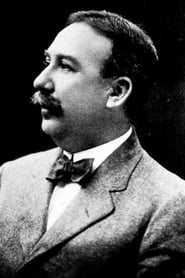
More from Edwin S. Porter
View all →


More about this film
About the production
Release dateJuly 1904
Box officeUnknown - box office tracking was not standardized in 1904
ProductionEdison Manufacturing Company
Filmed inEdison Studio, Bronx, New York
Filmed using Edison's 35mm camera system, this short film utilized simple but effective camera tricks including stop-motion substitution and careful editing to create the transformation effects. The machine itself was a prop constructed specifically for the film, likely made of wood and painted to look metallic.
Themes
Technology and inventionTransformation and metamorphosisAnimal-human relationshipsVisual trickery and illusionIndustrialization
Themes & topics
Historical background
Audiences around 1904 encountered Dog Factory in a market crowded with competing studios fighting for weekly program slots.
Why this film matters
Reference works on 1904 cinema cite Dog Factory when tracing genre habits, studio economics, or regional production patterns of the period.
Making of
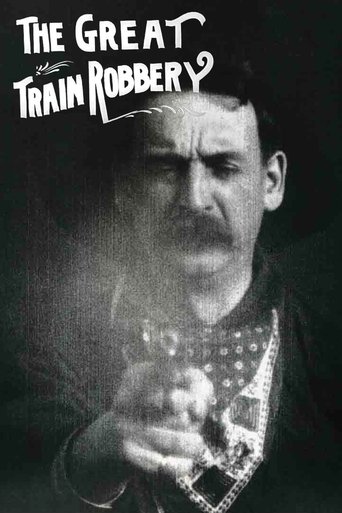
The production of 'Dog Factory' exemplifies the Edison Manufacturing Company's efficient approach to filmmaking in 1904. Director Edwin S. Porter, who had recently gained fame with 'The Great Train Robbery' (1903), was experimenting with various special effects techniques. The transformation sequence was achieved through careful editing - the camera would stop, the dog would be removed and replaced with sausages, then filming would resume. The machine prop was constructed in the Edison workshop and designed to look convincingly mechanical despite its simple construction. The film was shot on Edison's indoor stage in the Bronx, using the company's standard 35mm film stock and natural lighting from large windows. The performers were likely studio regulars who appeared in multiple Edison productions.
What critics said
Modern retrospectives screen Dog Factory for craft context: performances, pacing, and camera choices that illustrate 1904 norms more than revolutionary leaps.
Did you know?
- One of the earliest examples of animal transformation in cinema history
- Part of Edison's popular 'trick film' genre that showcased special effects
- The film demonstrates early use of substitution splicing to create magical effects
- Edwin S. Porter was among the leading innovative directors of early American cinema
- The film was likely inspired by vaudeville stage acts featuring similar transformation tricks
- Only one copy of the film is known to survive in the Library of Congress archives
- The 'Dog Transformator' machine was a recurring theme in early 20th century popular culture
- The film was shot in a single day, as was typical for Edison shorts of this period
- This was among the first films to use the concept of reversible transformation
- The actors were likely regular Edison studio performers, not professional actors
Visual style
The film employs the static camera setup typical of early cinema, with the entire action taking place within a single frame. The cinematography focuses on clear visibility of the transformation effects, with careful attention to lighting to ensure the machine and its operations are clearly visible. The use of medium shots allows viewers to see both the performers and the machine clearly. The film demonstrates the emerging visual language of cinema through its use of continuity editing to create the illusion of transformation.
Innovations
The film's primary technical achievement lies in its pioneering use of substitution splicing to create seamless transformation effects. The careful timing required to replace the dog with sausages between camera stops demonstrated the growing sophistication of editing techniques in 1904. The film also showcases early prop design and construction techniques specific to cinema, creating a machine that looked convincing enough to suspend audience disbelief. These techniques would become fundamental to the development of special effects in cinema.
Music
As a silent film, 'Dog Factory' would have been accompanied by live musical performance during exhibition. Typical accompaniment might have included popular ragtime tunes or light classical music played on piano or small orchestra. The Edison Company often provided suggested musical cues for their exhibitors, though specific recommendations for this film have not survived. The music would have been synchronized to enhance the comedic timing of the transformation sequences.
Famous quotes
This marvelous machine transforms dogs into sausages and back again!
Behold the wonder of modern science!
The Dog Transformator - a miracle of modern invention!
Memorable scenes
- The magical transformation sequence where the dog disappears and sausages emerge from the machine
- The triumphant moment when the sausages are placed back in the machine and the dog reappears unharmed
- The opening demonstration where the operators proudly present their invention to the camera
What audiences thought
The film was reportedly popular with audiences when it played in Edison's exchange theaters and traveling shows. Viewers were particularly amused by the seemingly magical transformation effects, which still held wonder for early cinema audiences. The film's simple, visual humor made it accessible to diverse audiences, including recent immigrants who might not understand English-language intertitles. Its brief runtime and clear visual storytelling made it ideal for the varied programming of nickelodeons, where it often appeared alongside newsreels, actualities, and other short comedies.
Film connections
Influenced by
- Georges Méliès' trick films
- Vaudeville stage magic acts
- Circus sideshow performances
- Earlier Edison novelty films
This film influenced
- Later American trick comedies
- Early animated cartoons with transformation themes
- Special effects sequences in narrative films
Film restoration
The film survives in the Library of Congress collection as part of the Paper Print Collection. It has been preserved on 16mm film and digitized for archival access. The surviving print is in relatively good condition for its age, though some deterioration is evident. The film is considered historically significant and has been included in several early cinema compilations and educational collections.
Where to watch
- Library of Congress National Screening Room
- Early Cinema DVD compilations
- Various public domain film websites
- Museum of Modern Art film archive screenings
- Academic film studies collections