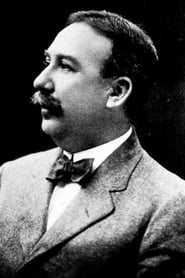
European Rest Cure
"Time European rest."
Keys: Space play/pause · ←/→ 10s · F fullscreen · M mute · </> speed
About this film
An over-the-hill American tourist has a terrible time on his European "rest cure" vacation.
Cast & crew
More films like this
More Comedy films
View all →







More from Edwin S. Porter
View all →

More about this film
About the production
Release dateJuly 1904
ProductionEdison Manufacturing Company
Filmed inNew York, New York (studio)
Filmed on Edison's studio sets designed to represent various European locations. The production utilized painted backdrops and minimal props to create the illusion of European settings, typical of early cinema's practical approach to location filming. As with most Edison productions of this era, the film was shot quickly and efficiently to meet the high demand for new content in the burgeoning motion picture market.
Themes
Cultural misunderstandingTourism satireAmerican identityAge and healthComedy of errors
Themes & topics
tourismEuropecomedyelderly protagonisttravelmisadventurecultural clashvacationrest cureAmerican abroad
Historical background
By 1904, distribution was widening and European Rest Cure reached audiences through the theatrical channels dominant before television.
Why this film matters
Surviving prints of European Rest Cure document how 1904-era filmmakers solved story problems with limited means.
Making of
European Rest Cure was created during a period when Edwin S. Porter was establishing himself as one of America's most innovative filmmakers. Working at Edison's studio in the Bronx, Porter and his small crew would have filmed this short in a single day using natural light from the studio's glass roof. The production likely employed Edison actors who were regulars in the company's productions, chosen for their ability to perform broad physical comedy suitable for the medium. The European settings were created using theatrical techniques of the era, including painted backdrops and minimal set pieces. The film was processed at Edison's laboratory facilities and distributed through the company's extensive network of exchanges. Like all Edison productions of this time, it was copyrighted by submitting paper prints to the Library of Congress, a practice that has ironically helped preserve many early films.
What critics said
Specialist critics today emphasize preservation when a viewable copy of European Rest Cure survives.
Did you know?
- was directed by Edwin S. Porter, among the pivotal early American filmmakers who also directed the groundbreaking 'The Great Train Robbery' (1903)
- European Rest Cure was produced by the Edison Manufacturing Company, Thomas Edison's film studio
- The film is an early example of comedy centered around tourism and cultural differences, themes that would remain popular throughout cinema history
- Like many films of 1904, it would have been shown as part of a vaudeville program or in nickelodeons
- The title plays on the popular late 19th-century concept of the 'rest cure,' a medical treatment for various ailments that involved extended periods of rest
- The film survives today and is preserved in film archives, making it accessible to modern audiences
- Porter was known for his innovative editing techniques and narrative storytelling, which were advanced for the time
- The film was shot on 35mm film, the standard format of the era
- Edison films of this period were typically copyrighted to protect against unauthorized duplication by competitors
- The comedy relies entirely on visual gags and physical humor, as it was a silent film with no intertitles
Visual style
The cinematography in European Rest Cure reflects the technical limitations and aesthetic conventions of 1904. The film was shot using a stationary camera, typical of the era, with actors moving within the frame rather than the camera following the action. The black and white photography shows the characteristic high contrast of early film stock, with strong lighting necessary for the slow-speed film of the period. The composition is theatrical in nature, with actors arranged to be clearly visible to the camera audience. The European settings were created through painted backdrops and minimal set pieces, photographed in the flat, two-dimensional style common to early cinema. The camera work is functional rather than artistic, prioritizing clear storytelling over visual experimentation.
Innovations
While European Rest Cure does not represent a major technical breakthrough like some of Porter's other works, it demonstrates the solid craftsmanship typical of Edison productions in 1904. The film shows the effective use of continuity editing that Porter helped pioneer, with scenes logically connected to tell a coherent story. The production makes efficient use of the limited sets available, creating multiple European locations through creative staging. The film's survival in good condition testifies to the quality of Edison's film stock and processing methods. The comedy timing and pacing demonstrate an understanding of how to structure humor for the silent medium, a technical skill that was still being developed in early cinema.
Music
As a silent film from 1904, European Rest Cure had no synchronized soundtrack. During original screenings, the film would have been accompanied by live music, typically a pianist or small ensemble in the theater. The musical accompaniment would have been improvised or drawn from standard classical and popular pieces of the era, chosen to match the on-screen action. Comedy sequences might have been accompanied by upbeat, playful music, while moments of frustration could have been underscored with more dramatic or frantic selections. The specific musical choices would have varied by theater and performer, as no standardized scores existed for films of this period.
Famous quotes
As a silent film, European Rest Cure contains no spoken dialogue or intertitles with quotes
Memorable scenes
- The protagonist's struggles with unfamiliar European customs and transportation, depicted through broad physical comedy and exaggerated reactions that communicate his frustration without words
What audiences thought
Audiences in 1904 would have viewed European Rest Cure as part of a varied program of short films shown at nickelodeons and vaudeville theaters. The comedy's broad physical humor and relatable theme of travel difficulties would have appealed to the diverse urban audiences of early cinema. The film's subject matter of American tourists abroad would have resonated with viewers who were increasingly aware of international travel through newspapers and magazines. Like most Edison productions of the era, it was designed to be entertaining and inoffensive, suitable for family audiences. The film likely proved popular enough to warrant wide distribution through Edison's exchange system, as evidenced by its survival in multiple archives today.
Film connections
Influenced by
- Stage comedy traditions
- Vaudeville humor
- Newspaper travelogues
- Theatrical farce
This film influenced
- The Immigrant
- European Vacation
- If It's Tuesday, This Must Be Belgium
- various travel comedies throughout cinema history
Film restoration
European Rest Cure is preserved in film archives, including the Library of Congress and other major film preservation institutions. The film survives in 35mm format and has been made available through various archival collections and early cinema compilations. Its survival is partly due to Edison's practice of submitting paper prints for copyright protection, which ironically helped preserve many early films that might otherwise have been lost.
Where to watch
- Library of Congress National Screening Room
- Early cinema archives and special collections
- Film history websites specializing in pre-1910 cinema
- Educational institutions with film studies programs
- Museum of Modern Art film collection screenings