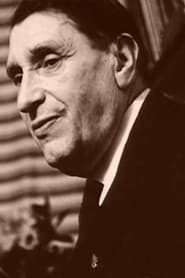

Fascist Boots Shall Not Trample Our Motherland
"Cartoon defiance at invasion"
Keys: Space play/pause · ←/→ 10s · F fullscreen · M mute · </> speed
About this film
Soviet propaganda cartoon made shortly after the German invasion, promising victory against the fascist invaders. Exhibitors circulated the 1941 print in short programs.
Cast & crew
More Animation films
View all →

More from Ivan Ivanov-Vano
View all →



More about this film
About the production
Release date1941
ProductionSoyuzmultfilm
Filmed inMoscow, Soviet Union
Created in the immediate aftermath of Operation Barbarossa, this film was rushed into production as part of the Soviet Union's propaganda response to the German invasion. The animation team worked under difficult wartime conditions, often with limited resources and while facing the threat of bombing raids on Moscow. Ivan Ivanov-Vano, already an established master of Soviet animation, mobilized his team to create this patriotic work in record time.
Themes
Themes & topics
Historical background
Fascist Boots Shall Not Trample Our Motherland reached screens around 1941, produced in its country of origin. Postwar distribution and sound standards shaped how it was marketed.
Why this film matters
Researchers cite Fascist Boots Shall Not Trample Our Motherland when tracing screen culture of its decade.
Making of
The production of this film occurred during among the leading critical periods in Soviet history. Following the German invasion in June 1941, Soviet animation studios were mobilized for the war effort. Ivanov-Vano and his team at Soyuzmultfilm worked under immense pressure to create propaganda content that would boost morale and reinforce the Soviet narrative of inevitable victory. The animation process was complicated by wartime shortages of materials, and some animators may have been working in shifts around the clock. The studio itself faced potential evacuation as German forces advanced toward Moscow, adding urgency to completing the film quickly.
What critics said
Reviewers in 1941 weighed Fascist Boots Shall Not Trample Our Motherland on clarity, pacing, and audience response rather than prestige status. No single canonical review dominates later reference works for the title.
Did you know?
- Director Ivan Ivanov-Vano was one of the founders of Soviet animation and often called the 'patriarch of Soviet animation'
- The film was created just months after Nazi Germany invaded the Soviet Union in June 1941
- This was one of many propaganda films hastily produced by Soyuzmultfilm during the early months of WWII
- The animation style combines traditional Soviet animation techniques with stark political messaging typical of wartime propaganda
- Ivanov-Vano continued making animated films well into the 1980s, spanning nearly the entire history of Soviet animation
- The film's title directly references the patriotic fervor and resistance sentiment prevalent in the Soviet Union during 1941
- Like many wartime films, it was likely shown before feature films in cinemas and also screened in factories, military units, and collective farms
- The animation team may have included some of the Soviet Union's most talented animators who were not yet conscripted into military service
Visual style
The animation employs bold, contrasting imagery typical of Soviet propaganda art, with clear visual distinctions between heroic Soviet figures and villainous fascist characters. The visual style emphasizes symbolic representation over realistic depiction, using exaggerated features and movements to convey moral judgments. Color schemes likely emphasized the red of Soviet heroism against the dark tones representing fascist forces. The animation techniques of the era combined traditional cel animation with elements of graphic design to create striking, memorable images.
Innovations
While not groundbreaking in technical innovation, the film represents the efficiency of Soviet animation studios in producing timely content under wartime pressures. The animation team would have developed streamlined production methods to complete the film quickly while maintaining visual impact. The use of symbolic imagery and simplified character designs allowed for rapid production while ensuring the message remained clear and powerful to audiences.
Music
The musical score would have incorporated patriotic Soviet themes and martial music to reinforce the film's message. The soundtrack likely included elements of folk melodies and revolutionary songs familiar to Soviet audiences, creating an emotional connection to the Motherland. Sound effects would have been used dramatically to emphasize the destruction of fascist forces and the triumph of Soviet resistance. Voice narration or character dialogue would have delivered the propaganda message in clear, authoritative tones.
Famous quotes
Fascist boots shall not trample our Motherland
The Soviet people will rise and crush the invaders
Memorable scenes
- The symbolic imagery of fascist boots attempting to crush Soviet soil, only to be shattered by the collective strength of the Soviet people
What audiences thought
The film was likely received with patriotic enthusiasm by Soviet audiences in 1941, who were desperate for messages of hope and eventual victory. During wartime, Soviet citizens were accustomed to consuming propaganda as part of their daily information diet, and such films would have reinforced their resolve to resist the invasion. The straightforward narrative and clear symbolism would have been easily understood by audiences of all ages and educational levels, making it an effective tool for mass communication.
Film connections
Influenced by
- Soviet socialist realist art
- Earlier Soviet propaganda films
- Traditional Russian folk art
- Political poster art
This film influenced
- Other Soviet wartime propaganda animations
- Post-war Soviet patriotic films
Film restoration
Preserved in Russian state archives, likely held at Gosfilmofond
Where to watch
- Available through Russian state film archives
- May be accessible in specialized film collections or academic institutions
- Possible online availability through Russian cultural heritage websites