Fire Rescue Scene
"Edison firemen rescue from smoke"
Keys: Space play/pause · ←/→ 10s · F fullscreen · M mute · </> speed
About this film
Edison cameramen record uniformed firemen staging a smoke-filled rescue from a burning building in 1894. An early American actuality sold to nickelodeon exhibitors.
Cast & crew
More films like this
More Drama films
View all →







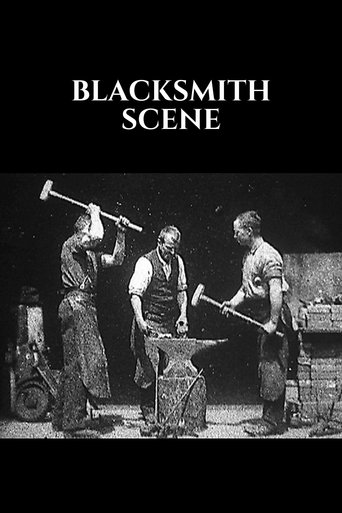
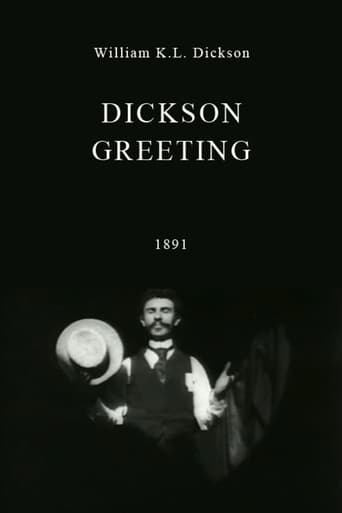
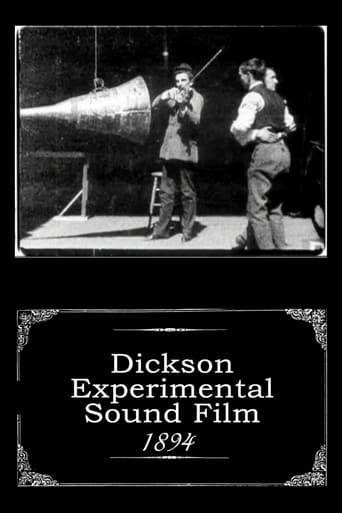
More from William K.L. Dickson
View all →
More about this film
About the production
Release dateNovember 1894
ProductionEdison Manufacturing Company
Filmed inEdison's Black Maria Studio, West Orange, New Jersey
Filmed in Edison's revolutionary Black Maria studio, which rotated to follow the sun and had a retractable roof for natural lighting. The smoke effects were created using practical methods typical of early special effects. The film was shot on 35mm film using Edison's Kinetograph camera, which was heavy and stationary, requiring actors to move within the frame. The firefighters were likely actual firemen from nearby departments hired for authenticity.
Themes
Themes & topics
Historical background
Archival records place Fire Rescue Scene in 1894, a year when cinema's first decade shaped what theaters booked.
Why this film matters
Retrospectives include Fire Rescue Scene when mapping craft and subject matter from cinema's first decade.
Making of
The production took place in Edison's innovative Black Maria studio, a tar-paper-covered building that could rotate on tracks to follow the sun's movement for optimal lighting. William K.L. Dickson, who had been working with Edison since the late 1880s, directed the release as part of Edison's efforts to create entertaining content for the Kinetoscope viewing machines. The firefighters were likely recruited from local New Jersey fire departments, bringing authenticity to their movements and equipment handling. The smoke effects required careful control in the confined studio space, as early film was highly flammable. The entire production would have been completed in a single take due to the difficulty and expense of film stock in 1894.
What critics said
Critics revisiting Fire Rescue Scene emphasize performative and technical choices visible in surviving prints.
Did you know?
- One of the earliest narrative films ever produced, predating most story-based cinema
- Directed by William K.L. Dickson, Edison's chief engineer who invented the Kinetograph camera
- Part of Edison's series of 'actuality' and staged scenes that were among the first commercial films
- The Black Maria studio where this was filmed was the world's first movie production studio
- Fire rescue scenes became a popular early film genre due to their inherent drama and visual spectacle
- The film was exhibited in Edison Kinetoscope parlors, where viewers watched individually through peepholes
- The rubber coats and helmets shown were authentic 1890s firefighter equipment
- Early Edison films like this were often only 30-60 seconds long due to technical limitations
- The smoke effects were likely created using smoke machines or burning materials in controlled conditions
- the release represents one of the first attempts at creating narrative drama in cinema history
Visual style
The film was shot using Edison's Kinetograph camera, which was large and stationary, requiring all action to occur within a fixed frame. The cinematography was necessarily simple due to technical limitations, with a single static camera position capturing the entire scene. The lighting would have been natural sunlight coming through the Black Maria's retractable roof, creating harsh shadows typical of early film. The smoke effects add visual texture and drama to the composition, demonstrating early attempts at creating atmospheric effects. The frame composition shows early understanding of visual storytelling, with actors positioned to maximize dramatic impact within the limited camera movement.
Famous quotes
Thrilling rescue from burning building" - Edison Catalog description
Smoke effects are fine" - Edison Catalog review
Memorable scenes
- The dramatic rescue sequence where firefighters emerge through smoke to save building occupants, showcasing early special effects and action choreography in a single continuous take that demonstrates the technical and artistic capabilities of 1894 cinema
What audiences thought
Original audiences in 1894 were fascinated by the novelty of moving images, and dramatic scenes like 'Fire Rescue Scene' were particularly popular in Kinetoscope parlors. Viewers paid approximately 25 cents to watch films through individual viewing machines, and action-oriented content like this was among the most requested. The film's dramatic content and visual effects would have been especially impressive to audiences who had never before seen moving images. Contemporary accounts suggest that Edison's more dramatic productions drew larger crowds than simple actuality footage.
Film connections
Influenced by
- Stage melodramas of the 1890s
- Actual emergency response procedures
- Popular literature about heroic firefighters
- Magic lantern shows with dramatic themes
This film influenced
- Subsequent Edison fire rescue films
- Early action and disaster films
- Later firefighter-themed movies
- Early narrative cinema
- Action films of the 1900s
Film restoration
Preserved in film archives, including the Library of Congress and Museum of Modern Art. The film survives as part of the Edison Manufacturing Company collection and has been digitized for historical preservation and public access.
Where to watch
- Library of Congress National Film Registry
- Museum of Modern Art Film Collection
- Edison National Historic Site archives
- Various online film archive platforms
- Academic film history collections