Kansas Saloon Smashers
"No easy way through saloon"
Keys: Space play/pause · ←/→ 10s · F fullscreen · M mute · </> speed
About this film
A gilded saloon, with a fancy bar, forms the background. A nobby bartender with white coat and apron is dispensing drinks to customers.
Cast & crew
More films like this
More Comedy films
View all →







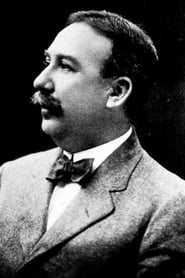
More from Edwin S. Porter
View all →

More about this film
About the production
Release dateJuly 1901
ProductionEdison Manufacturing Company
Filmed inEdison Studios, Bronx, New York
This film was shot on a single set constructed at Edison's Black Maria studio or the newer glass-enclosed studio in the Bronx. The production used real glass mirrors and bottles for the smashing scenes, requiring careful timing and multiple takes. The film was shot on 35mm film using Edison's own equipment and processed in-house. The actors were likely regular performers from Edison's stock company, with Mrs. Nation being played by a male actor in drag, a common practice in early cinema for comic effect.
Themes
Temperance movementPolitical satireSocial disorderComedy and chaosContemporary commentary
Themes & topics
Historical background
Kansas Saloon Smashers reached screens around 1901, produced in its country of origin. Programs then mixed actualities, dances, and staged scenes in single-reel slots.
Why this film matters
Researchers cite Kansas Saloon Smashers when tracing screen culture of its decade. Its brevity makes it useful for teaching how early narratives were staged.
Making of
The production of 'Kansas Saloon Smashers' exemplifies the rapid response capabilities of early film studios to current events. Edwin S. Porter and the Edison team recognized the sensational appeal of Carrie Nation's real-life saloon raids and quickly produced this comedic version. The set was built to be destroyed, with real bottles and mirrors purchased specifically for the smashing sequences. The casting choice of having a male actor portray Mrs. Nation in drag was typical of the period's theatrical traditions and added to the film's comic effect. The entire production would have been completed in a single day, from filming to processing, reflecting the fast-paced nature of early cinema production. The film's destruction scenes required precise choreography to ensure the safety of the actors while maintaining the appearance of chaotic mayhem.
What critics said
Reviewers in 1901 weighed Kansas Saloon Smashers on clarity, pacing, and audience response rather than prestige status. No single canonical review dominates later reference works for the title.
Did you know?
- This was one of the first films to satirize a contemporary political figure while she was still active and newsworthy
- Carrie Nation was a real historical figure who gained notoriety in 1900-1901 for her hatchet-wielding raids on saloons
- The film was released just months after Carrie Nation's famous saloon-smashing campaign in Kansas made national headlines
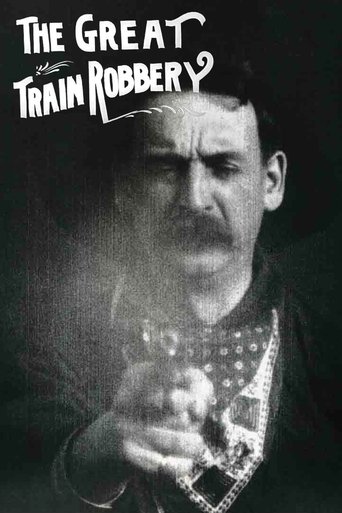
- Edwin S. Porter would later direct 'The Great Train Robbery' (1903), considered among the pivotal early narrative films
- This film represents an early example of cinema's ability to comment on current events and political movements
- The Irish character was a common stereotype in early American films, often used for comic relief
- The film's destruction of property was considered quite shocking for its time, though played for laughs
- This was one of over 200 films Porter directed for Edison between 1900-1905
- The seltzer bottle used by the bartender was a real working prop, demonstrating early special effects
- The film was part of Edison's strategy to produce topical content that would attract audiences familiar with current events
Visual style
The film was shot using a single stationary camera positioned to capture the entire saloon set, typical of early cinema's theatrical staging. The cinematography employed basic medium shots that allowed all the action to be visible within the frame. The lighting was likely natural or basic studio illumination, designed to clearly show the elaborate set and destruction sequences. The camera work was straightforward without movement or angle changes, reflecting the technical limitations and conventions of 1901 filmmaking. The visual composition was carefully planned to ensure the destruction of props would be clearly visible and impactful to the audience.
Innovations
The film demonstrated early special effects through the use of functional props like the working seltzer bottle that could spray water on command. The production of multiple takes for the destruction sequences showed an understanding of editing and continuity that was still developing in 1901. The construction of a detailed set designed specifically to be destroyed represented an investment in production quality that was becoming increasingly common. The film's timing and pacing, with its clear beginning, middle, and end, showed advancement in narrative structure for such an early date. The successful coordination of multiple actors and complex action sequences within a single continuous take demonstrated growing technical sophistication.
Music
As a silent film, 'Kansas Saloon Smashers' would have been accompanied by live musical performance during exhibition. The typical accompaniment might have included popular songs of the era, patriotic tunes, or improvisational piano music that matched the on-screen action. The musical selections would have been chosen by the individual theater or exhibitor rather than being standardized across all showings. The comedic nature of the film would have suggested lighter, more playful musical accompaniment, with potentially more dramatic music during the destruction sequences. No original score was composed specifically for this film.
Famous quotes
'A Comical Representation of the Recent Kansas Saloon Smashing' - Edison Catalog description
'Full of comedy from start to finish' - Edison Catalog review
Memorable scenes
- The moment when Mrs. Nation and her followers burst into the saloon wielding hatchets, immediately establishing the film's chaotic tone; The sequence where the women systematically destroy the saloon's mirrors and bottles, creating a spectacular display of destruction; The bartender's retaliation using the seltzer bottle, representing an early example of comedic special effects
What audiences thought
The film was reportedly popular with audiences of 1901 who would have been familiar with Carrie Nation's real-life activities from newspaper coverage. The topical nature of the subject matter likely drew curious viewers interested in seeing a cinematic version of recent sensational events. The comedy and destruction elements would have appealed to the broad entertainment-seeking audiences of the nickelodeon era. Contemporary accounts suggest the film was successful enough to warrant distribution through Edison's extensive network, indicating positive audience response. The film's combination of current events, comedy, and spectacle represented exactly the type of content that early cinema audiences found entertaining.
Film connections
Influenced by
- Stage melodramas
- Vaudeville comedy
- Newspaper illustrations
- Political cartoons
- Temperance movement literature
This film influenced
- Why Mr. Nation Has Been Arrested (1901)
- The Temperance Town (1909)
- What Drink Did (1909)
- The Devil's Brew (1916)
Film restoration
The film survives and has been preserved by the Museum of Modern Art Department of Film. It is also held in the collections of the Library of Congress and other film archives. The film has been restored and digitized as part of various early cinema preservation projects. It is available on several DVD compilations of early American cinema and through online archives specializing in historic films.
Where to watch
- Library of Congress National Screening Room
- Museum of Modern Art Film Collection
- Early Cinema DVD compilations
- Kino Lorber's 'The Movies Begin' DVD set
- Various academic film archives
- Public domain film websites