
Katsudō Shashin
Keys: Space play/pause · ←/→ 10s · F fullscreen · M mute · </> speed
Plot
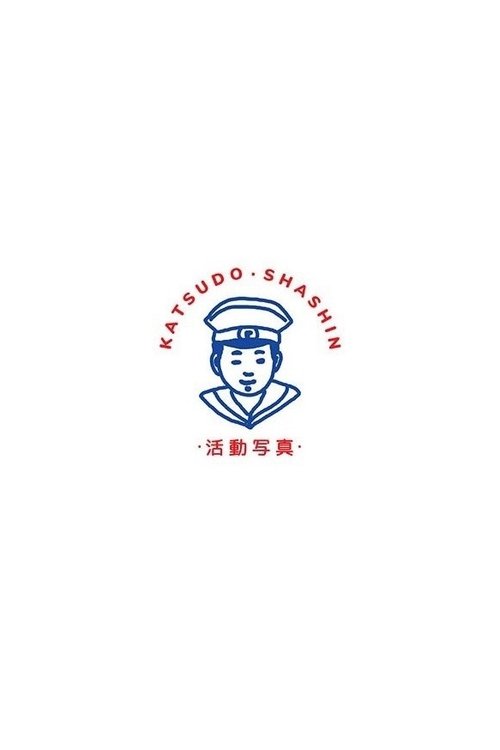
Katsudō Shashin depicts a young boy dressed in a naval cadet uniform who appears in a simple animation sequence. The character first paints or writes the Japanese characters for '活動写真' (katsudō shashin, meaning 'moving picture') across the top of the frame. After completing his writing, the boy then removes his cap and bows or tips it respectfully toward the audience, creating what appears to be one of the earliest examples of breaking the fourth wall in Japanese animation. The entire sequence lasts only a few seconds but demonstrates basic animation techniques including character movement and written text animation.
About the Production
Release Date 1907
Production Unknown individual creator
Filmed In Japan
Created using a stenciling technique on a film strip, likely by hand-drawing each frame individually. The film was discovered in 2005 in a collection of old projectors and films in Kyoto, making it one of the oldest surviving pieces of Japanese animation. The creator remains unknown, though it's believed to be an experimental work by an early film enthusiast or animator.
More Animation Films
View all →


Themes & Topics
animationsilent filmexperimentalMeiji periodboywritingbowingfourth wallJapanese animationearly cinema
Historical Background
Katsudō Shashin was created during the Meiji Restoration period (1868-1912), when Japan was rapidly modernizing and Westernizing after centuries of isolation. This era saw the introduction of cinema to Japan in 1896, and Japanese filmmakers were beginning to experiment with the new medium. The naval cadet uniform worn by the character reflects Japan's growing military power and Western influence during this period. The film emerged at a time when Japanese artists were beginning to adapt Western animation techniques, though it would be several more years before a commercial Japanese animation industry would develop. The film's creation predates even the earliest known American animated films by several years, making it a significant artifact in global animation history.
Why This Film Matters
Katsudō Shashin holds immense cultural significance as the oldest known surviving Japanese animated work, representing the genesis of what would become one of the world's most influential animation industries. The film demonstrates early Japanese engagement with animation technology and shows how Japanese creators were already adapting Western techniques to their own cultural context. The character's respectful bow to the audience reflects Japanese cultural values even in this experimental medium. This tiny fragment has become a symbol of Japan's long animation history and is studied by film historians worldwide as a crucial link in the evolution of global animation. The film's discovery helped push back the timeline of Japanese animation history and has become a source of national pride in Japan's contributions to cinematic arts.
Making Of
The creation of Katsudō Shashin represents the very beginnings of Japanese animation during the Meiji period, when Western cinema technology was first being imported and adapted by Japanese artists. The anonymous creator likely worked with basic equipment, possibly using a home-made animation device or hand-cranking each frame onto film stock. The film's simple animation of a writing hand and bowing figure suggests experimentation with the possibilities of moving images. The discovery of the film in 2005 was accidental, found among old film projectors and movie-related items that had been collected over decades. The preservation of these 50 frames is remarkable, as most early Japanese films were destroyed by natural disasters, war, or simply discarded as obsolete technology.
What Critics Said
Due to its age and the fact that it was lost for nearly a century, Katsudō Shashin received no contemporary critical reception. However, since its discovery in 2005, film historians and animation scholars have hailed it as a groundbreaking find. Critics and scholars have praised the film as a crucial missing piece in animation history, demonstrating that Japanese animation experimentation began much earlier than previously believed. The film is now regarded as an invaluable artifact that provides insight into the earliest days of Japanese cinema and animation techniques. Animation historians consider it one of the most important discoveries in early cinema of the 21st century.
Did You Know?
- Katsudō Shashin is considered the oldest known piece of Japanese animation, predating all other known Japanese animated works by several years
- The film was discovered in 2005 by visual culture historian Natsuki Matsumoto, which is why it's sometimes called the 'Matsumoto fragment'
- The title 'Katsudō Shashin' literally translates to 'moving picture' or 'activity photograph' in Japanese
- The film consists of only 50 frames of animation, running for approximately 3 seconds at 16 frames per second
- The boy's naval cadet uniform reflects the militarization and Westernization trends of Meiji-era Japan
- The film was found along with other early cinema equipment in an antique shop in Kyoto
- No records of the film's original public screenings have been discovered, suggesting it may have been a personal or experimental work
- The animation technique used is believed to be a direct-on-film method, possibly using stencils or direct drawing
- The film's survival is remarkable given that 99% of Japanese films from before 1945 are believed to be lost
- The boy's gesture of tipping his hat to the audience is one of the earliest examples of meta-humor in animation
More film details Visual style, music, quotes, restoration, and more
Visual Style
The cinematography of Katsudō Shashin represents the most basic form of animation technique, likely created using direct-on-film methods. The film consists of simple line drawings in red and black on a paper or film base, with the animation created through sequential drawings. The visual style is minimalist, featuring only the essential elements needed to convey the action: a boy figure, his writing hand, and the text he creates. The animation shows basic principles of movement and timing, with the writing motion and the bowing gesture demonstrating early understanding of animation principles. The use of color, albeit limited, shows experimentation with visual elements even in these earliest animation attempts.
Innovations
Katsudō Shashin represents several important technical achievements for its time, including being one of the earliest examples of frame-by-frame animation in Japan. The film demonstrates early mastery of the persistence of vision principle, creating smooth movement through sequential images. The inclusion of animated text shows experimentation with different types of animation beyond character movement. The survival of the film itself is a technical achievement, as the delicate film stock has endured for over a century. The film's creation using direct-on-film techniques shows early innovation in animation methods, predating more sophisticated cel animation techniques that would come later.
Music
Katsudō Shashin was created during the silent film era and would have been accompanied by live music or narration during any potential screenings. No original soundtrack or score exists for the film. During modern presentations, the film is typically accompanied by period-appropriate Japanese music from the Meiji era or silent film piano accompaniment to recreate the viewing experience of early 20th century cinema. The lack of synchronized sound was typical of films from this period, and any musical accompaniment would have been improvised or selected by the venue's musician based on the film's content and mood.
Famous Quotes
No dialogue is present in the film, but the written text '活動写真' (katsudō shashin) serves as the film's title and central message
Memorable Scenes
- The sequence where the boy in naval cadet uniform writes '活動写真' (moving picture) across the frame, demonstrating early text animation
- The final moment when the boy removes his cap and bows to the audience, creating one of the earliest examples of breaking the fourth wall in animation
What Audiences Thought
There is no record of how Katsudō Shashin was received by audiences in 1907, as it appears to have been an experimental or private work rather than a commercial release. Since its rediscovery and public announcement, the film has generated tremendous interest among animation enthusiasts, film historians, and the general public in Japan and internationally. The fragment has been featured in museum exhibitions and documentaries about animation history, where audiences have expressed fascination with this glimpse into the earliest days of Japanese animation. Modern viewers are often surprised by the sophistication of the animation given its extreme age and the limited technology available at the time.
Film Connections
Influenced By
- Western animation experiments of the early 1900s
- Meiji-era Western cultural influences
- Early French animation pioneers like Émile Reynaud
This Film Influenced
- Later Japanese animated works of the 1910s and 1920s
- Modern retrospectives on Japanese animation history
- Documentaries about early global animation
Film Restoration
Katsudō Shashin exists only as a 50-frame fragment discovered in 2005. The film is preserved in the collection of the National Film Center in Tokyo, part of the National Museum of Modern Art. The fragment has been digitized for preservation and study purposes. Given that it's the only known copy and is over a century old, it remains extremely fragile. The film represents a rare survival from the earliest days of Japanese animation, as over 99% of Japanese films from before 1945 are believed to be lost. The fragment is considered one of the most important discoveries in early cinema history of the 21st century.
Where to Watch
- The film is available in various documentaries about animation history
- Some animation history museum exhibitions feature the fragment
- Selected film history websites and archives may show the digitized version
- Academic film studies programs sometimes include it in their curriculum materials