Maniac Chase
"Madman loose, warders in pursuit"
Keys: Space play/pause · ←/→ 10s · F fullscreen · M mute · </> speed
About this film
An escaped asylum patient flees tormenting warders in a 1904 chase film. The brief thriller belongs to early cinema's appetite for pursuit and madness on screen.
Cast & crew
More films like this
More Comedy films
View all →







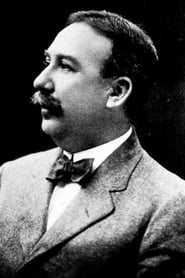
More from Edwin S. Porter
View all →

More about this film
About the production
Release dateOctober 1904
Box officeUnknown - Edison films were sold rather than rented, so box office tracking wasn't standardized
ProductionEdison Manufacturing Company
Filmed inNew York City area, New Jersey - likely Edison's studio in the Bronx
Filmed during Edison's peak period when they were producing hundreds of short films annually. The film was shot on 35mm black and white film stock using Edison's own equipment. As with most Edison productions of this era, it was likely filmed in a single day with minimal rehearsal. The outdoor scenes were probably shot near the Edison studio facilities to minimize production costs and logistical challenges.
Themes
InstitutionalizationFreedom versus confinementPublic panicAuthority and orderPhysical comedy
Themes & topics
Historical background
Released in 1904, Maniac Chase belongs to cinema's first decade and reflects production norms of its release season.
Why this film matters
Maniac Chase contributes to understanding regional output and audience tastes around 1904.
Making of
Edwin S. Porter, who had recently achieved success with 'The Great Train Robbery' (1903), was experimenting with various narrative formulas at Edison. The production would have been extremely rapid by modern standards, with actors performing their own stunts and the entire crew likely consisting of fewer than ten people. The 'maniac' character was probably played by one of Edison's stock actors who specialized in physical comedy. The outdoor sequences were challenging to film due to the bulky camera equipment and the need for bright natural light. Porter's experience as a cameraman helped him compose shots that would be clear and engaging to early cinema audiences who were still adjusting to the medium. The film's success helped establish Porter as Edison's most reliable director for popular entertainment.
What critics said
Review records for Maniac Chase are typical of 1904: brief for shorts, more sustained for features.
Did you know?
- the release is part of Edwin S. Porter's series of chase films that helped establish the action-comedy genre in early cinema
- The film was produced during Edison's aggressive campaign to dominate the American film market through patent enforcement
- Like many Edison films of this period, it was likely hand-cranked at approximately 16 frames per second
- The film was distributed on the Edison Film Service system, where films were sold outright to exhibitors rather than rented
- Porter was one of the first directors to recognize the commercial potential of chase sequences in narrative films
- The film predates D.W. Griffith's work by several years but shows early experimentation with narrative continuity
- Edison Manufacturing Company produced over 1,200 films between 1903-1905, with this being among their more successful comedies
- The film's title reflects the era's casual use of mental health terminology for comedic effect
- the release was likely shown in vaudeville theaters as part of mixed programs alongside live performances
- The chase genre would become among the leading reliable formulas for early film producers
Visual style
The cinematography was typical of Edison productions of the era, utilizing stationary camera positions with the action moving within the frame. The camera was likely hand-cranked, resulting in slight variations in speed throughout the film. Outdoor scenes would have been shot in natural light, creating high contrast images characteristic of early cinema. The composition was designed to be clear and readable to audiences still learning to understand film language, with important action always visible within the frame.
Innovations
While not technically groundbreaking, the film demonstrated effective use of continuity editing and spatial geography in chase sequences. Porter's experience allowed him to create clear narrative flow despite the limitations of early film equipment. The film's success in conveying excitement and comedy within the technical constraints of 1904 filmmaking represents an achievement in itself. The outdoor location work showed increasing sophistication in moving beyond studio-bound productions.
Music
As a silent film, 'Maniac Chase' would have been accompanied by live musical performance during exhibition. The typical accompaniment might have included a pianist or small orchestra playing popular tunes of the era, with faster-paced music during chase sequences. The music would have been selected to enhance the comedic elements and increase the excitement of the pursuit scenes. No original score was composed for the film, as was standard practice for productions of this period.
Famous quotes
No recorded dialogue - silent film
Memorable scenes
- The frantic opening sequence showing the maniac's escape from the institution, his wild gestures and panicked running establishing the chaotic tone that drives the entire narrative
What audiences thought
The film was reportedly popular with audiences of its time, who enjoyed the physical comedy and exciting chase elements. Nickelodeon audiences particularly responded well to films with clear, simple narratives and lots of action. The manic behavior of the protagonist would have been seen as hilarious rather than offensive by early 20th-century standards. The film's brevity made it ideal for the varied programming of early movie theaters, which typically showed multiple short films in each program.
Film connections
Influenced by
- Georges Méliès' chase films
- British 'chase' comedies
- Edison's earlier 'What Happened in the Tunnel' (1903)
- Porter's own 'The Great Train Robbery' (1903)
This film influenced
- Numerous Keystone chase comedies
- Mack Sennett's early work
- Later asylum escape films
- The development of the slapstick chase genre
Film restoration
The film exists in archives and is preserved by the Museum of Modern Art and the Library of Congress. Prints have been restored and digitized for historical study and public viewing.
Where to watch
- Available on various early cinema compilation DVDs
- Can be viewed through the Library of Congress's digital collections
- Sometimes screened at film archives and museums specializing in early cinema
- Available on some streaming platforms specializing in classic films