
Manos: The Hands of Fate
"A family gets lost on the road and stumbles upon a hidden, underground…"
Keys: Space play/pause · ←/→ 10s · F fullscreen · M mute · </> speed
About this film
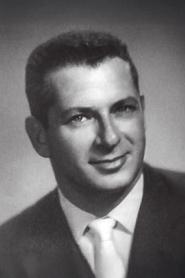
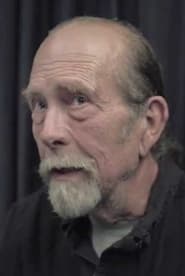
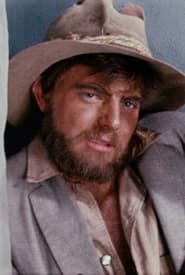
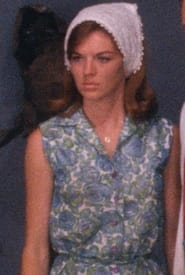
A family gets lost on the road and stumbles upon a hidden, underground, devil-worshiping cult led by the fearsome Master and his servant Torgo. Manos: The Hands of Fate (1966) American independent folk horror film written, directed, and produced by Harold P. It stars Warren, Tom Neyman, John Reynolds, and Diane Mahree.
Cast & crew
More films like this
More Horror films
View all →


More about this film
About the production
Release dateNovember 15, 1966
Budget$19,000
Box officeMinimal - less than $1,000 from limited theatrical run
ProductionIndependent production (no studio)
Filmed inEl Paso, Texas, Valley of Fire State Park, Nevada (for opening scenes)
Made by fertilizer salesman Harold P. Warren as his only film, created on a bet with Hollywood screenwriter Stirling Silliphant that he could make a successful horror movie. The entire cast and crew were local El Paso amateurs with no film experience. Shot without synchronized sound using cameras that could only record 32 seconds of footage at a time, requiring constant reloading. The film was dubbed in post-production with poor synchronization. Many scenes were improvised on set due to lack of proper planning. The infamous Torgo knee prosthetics were designed incorrectly, causing John Reynolds extreme pain and contributing to his strange gait.
Themes
Isolation and entrapmentReligious cults and fanaticismSupernatural evilFamily in perilInnocence corrupted
Themes & topics
cultdevil worshipfamily trappedisolated locationsupernatural horrorlow budgetcult filmso bad it's goodroad trippossessionpolygamynightmarelost travelers
Historical background
Released in 1966 during the New Hollywood transition, Manos: The Hands of Fate reached audiences when exhibitors were still defining programming conventions. The narrative hook—A family gets lost on the road and stumbles upon a hidden, underground…—reflects what contemporary producers thought would draw viewers.
Why this film matters
Manos: The Hands of Fate remains discussed by archivists tracing how screen stories of its period represented work, desire, conflict, and social order. Its central situation—A family gets lost on the road and stumbles upon a hidden, underground…—still prompts questions about genre conventions and audience expectations.
Making of
The production of 'Manos: The Hands of Fate' was a disaster from beginning to end. Harold P. Warren, having never directed a film before, served as writer, director, producer, and star. The crew consisted entirely of local El Paso residents with no film experience, including a college student as cinematographer and a local musician as composer. The cameras used could only record 32 seconds of footage, requiring constant reloading and resulting in choppy editing. Sound was recorded separately on a quarter-inch tape recorder with poor equipment, leading to the infamous bad dubbing. The cast was paid in shares of the film's profits (which never materialized) rather than cash. Many scenes were improvised because Warren would change his mind about dialogue and action on set. The production took place during a Texas summer with no air conditioning, and the cast wore heavy costumes in extreme heat. The film's technical incompetence is - visible camera equipment, crew shadows, continuity errors, and poor lighting throughout. Despite these challenges, Warren somehow completed the film and managed to secure a limited theatrical release.
What critics said
Trade and newspaper notices for Manos: The Hands of Fate generally emphasized casting, spectacle, and program fit rather than extended aesthetic argument. Retrospective screenings and archival notes continue to shape how viewers evaluate Manos: The Hands of Fate today.
Did you know?
- Director Harold P. Warren was a fertilizer salesman and community theater actor with no prior filmmaking experience who made the film on a bet
- The actor who played Torgo, John Reynolds, died by suicide at age 25 shortly after the film's release, reportedly depressed about the film's failure and his performance
- The film was shot with cameras that could only record 32 seconds at a time, requiring constant reloading and contributing to the choppy editing
- The title 'Manos' is Spanish for 'hands,' making the full title 'Hands: The Hands of Fate' redundant
- The film was lost for decades until a 16mm print was discovered in a collection, leading to its feature on Mystery Science Theater 3000 in 1993
- The Master's wives were played by local beauty queens who were told they were making an art film
- The film premiered at the Capri Theater in El Paso as part of a double feature; most of the audience left during the showing
- The repetitive organ music was composed by a local band and plays throughout most of the film, often drowning out dialogue
- Torgo's strange walking style was due to actor John Reynolds wearing the knee prosthetics backward, causing him constant pain
- The film was shot in just two weeks during the summer of 1966 with virtually no budget or professional equipment
- The infamous 'Manos' theme song was written and performed by the film's musical director, Russ Hagen
- The hands that appear in the opening credits belong to Harold P. Warren's wife, Norma
- The film gained cult status after being featured on Mystery Science Theater 3000, which introduced it to a new audience of bad movie enthusiasts
Visual style
The cinematography in 'Manos' is technically inept but accidentally atmospheric. Shot on 16mm film with limited equipment, the movie features poor lighting, inconsistent framing, and visible technical flaws. Many night scenes are nearly impossible to see due to inadequate lighting equipment. The camera work is shaky and often poorly focused, with numerous shots showing crew shadows or equipment in frame. The editing is jarring and discontinuous, partly due to the 32-second film cartridge limitation. Despite these flaws, some shots achieve an unintentionally surreal quality, particularly the dream sequences and the final confrontation with The Master. The opening driving sequence goes on for an excessive 10 minutes with minimal variation, becoming hypnotic in its monotony. The film's visual incompetence has become part of its charm, with fans appreciating the accidental artistry in its worst moments.
Innovations
None - the film is notable for its technical failures rather than achievements. The dubbing is notoriously poor, with dialogue often not matching lip movements. The editing is disjointed and confusing. The special effects consist of simple camera tricks and are largely ineffective. The film's technical incompetence is so extreme that it has become its defining characteristic and part of its appeal to bad movie enthusiasts.
Music
The soundtrack consists primarily of repetitive organ music and folk songs composed by Russ Hagen, Robert Guidry, and various uncredited local musicians. The main theme, titled simply 'Manos,' plays throughout most of the film, often drowning out dialogue and adding to the movie's surreal atmosphere. The music was recorded separately and poorly mixed with the dialogue track. The soundtrack features haunting organ passages that create an unintentionally eerie mood, though their constant repetition becomes maddening. A folk song sung by one of The Master's wives, 'Forgetting You,' appears briefly and stands out for its relative competence. The sound effects are minimal and poorly executed, with the most memorable being Torgo's strange vocal delivery. The soundtrack has developed its own cult following, with the main theme being covered by various bands and released on vinyl as a limited edition album.
Famous quotes
There is no way out of here. It will be dark soon. There is no way out of here." - Torgo
I am Torgo. I take care of the place while The Master is away." - Torgo
The Master would not approve." - Torgo
Manos. The Hands of Fate." - Opening narration
Every woman is a mother. Every mother is a wife. Every wife is a keeper of the house." - The Master
You have been a bad little girl, Margaret." - The Master
I have been waiting for you." - The Master
The Master is not like other men." - Torgo
There is nothing to fear. The Master will protect us." - One of the wives
It's time for you to join us." - The Master
Memorable scenes
- The opening 10-minute driving sequence with minimal dialogue or action, set to repetitive folk music
- Torgo's first appearance and his bizarre introduction of himself as caretaker
- The infamous scene where Torgo attempts to carry one of the wives while she struggles
- The Master's wives wrestling in their nightgowns during the night sequence
- The bizarre fire worship ceremony with The Master and his wives
- The final scene showing the new family arriving at the lodge, continuing the endless cycle
- The dream sequence with Margaret running through the desert
- The scene where Michael tries to shoot The Master but the gun has no effect
- Torgo's death scene where his hand is set on fire with minimal special effects
- The closing scene revealing Margaret as one of The Master's new wives
What audiences thought
Initial audience reception was overwhelmingly negative, with reports of most viewers walking out of the film's limited theatrical run. The film was so poorly received that Warren never made another movie. However, after its MST3K appearance, the film developed a devoted cult following among bad movie enthusiasts. Modern audiences often watch the film ironically, celebrating its flaws and engaging in interactive viewing experiences similar to 'The Rocky Horror Picture Show.' The film has inspired fan art, cosplay, and annual viewing parties. Online communities dedicated to the film analyze its every flaw with scholarly attention to detail. Despite its terrible reputation, the film has found appreciative audiences who value its unintentional humor and unique place in cinema history. The MST3K version remains one of the show's most popular episodes, introducing new generations to the film.
Film connections
Influenced by
- Drive-in horror films of the 1960s
- H.P. Lovecraft's cosmic horror themes
- Roger Corman-style low-budget productions
- European art films (attempted unsuccessfully)
This film influenced
- Manos Returns (2018 fan film)
- Various MST3K-featured films
- Modern 'so bad it's good' productions
- Internet parody videos and tributes
Film restoration
The original film elements were thought to be lost for decades. A 16mm print was discovered in a private collection and used for the Mystery Science Theater 3000 episode. In 2015, Synapse Films released a restored Blu-ray version using the best available elements, including a newly discovered 35mm print with better quality than previous versions. The film has been preserved through digital restoration efforts and is now available in higher quality than ever before.
Where to watch
- Blu-ray from Synapse Films (restored version)
- Shout! Factory TV streaming service
- YouTube (various uploads including MST3K version)
- Amazon Prime Video (MST3K version)
- The Criterion Channel (special presentations)
- Tubi (free streaming)
- Pluto TV (occasional programming)
- Various MST3K DVD collections