Nervy Nat Kisses the Bride
"A tramp gets involved in mischief on a train."
Keys: Space play/pause · ←/→ 10s · F fullscreen · M mute · </> speed
About this film
A tramp gets involved in mischief on a train.
Cast & crew
More films like this
More Comedy films
View all →







More from Edwin S. Porter
View all →

More about this film
About the production
Release dateAugust 1904
ProductionEdison Manufacturing Company
Filmed inNew York, New York (likely Edison's studio in the Bronx)
Filmed during the early days of cinema when movies were typically shot in a single day. The train scenes were likely created using a mock-up set rather than an actual train, which was common practice for Edison productions of this era. The film was shot on 35mm film using Edison's own equipment and processes.
Themes
Themes & topics
trampgetsinvolvedmischieftrain
Historical background
The 1904 release of Nervy Nat Kisses the Bride belongs to its era's exhibition habits rather than today's franchise model.
Why this film matters
Surviving prints of Nervy Nat Kisses the Bride document how 1904-era filmmakers solved story problems with limited means.
Making of
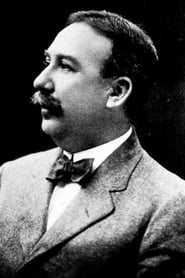
Production details for Nervy Nat Kisses the Bride are sparse in surviving records. Direction is attributed to Edwin Stanton Porter.
What critics said
Audience data from 1904 is sparse; reception for Nervy Nat Kisses the Bride is inferred from reissue and archival interest.
Did you know?
- Directed by Edwin Stanton Porter.
- Production country: United States.
- Release year commonly listed as 1904.
- TMDB identifier: 196039.
Visual style
The cinematography in 'Nervy Nat Kisses the Bride' reflects the technical limitations and conventions of 1904 filmmaking. The camera would have been stationary, capturing the action from a single perspective, as mobile cameras were not yet in use. Lighting would have been natural or basic studio lighting, resulting in high contrast images typical of early film. The film was shot on 35mm stock using Edison's proprietary equipment, with the standard frame rate of approximately 16 frames per second. The composition would have been theatrical in nature, with actors positioned to ensure visibility within the frame. Any train scenes would have been created using either a mock-up set or rear projection techniques if available.
Innovations
While 'Nervy Nat Kisses the Bride' does not represent major technical innovations, it the standard filmmaking practices of 1904. The film demonstrates the emerging use of continuity in narrative storytelling, a technique that Edwin S. Porter helped pioneer. The production utilized Edison's improved film stock and cameras, representing the ongoing technological advancement in cinema equipment. The film's existence as part of a character series (featuring Nervy Nat) shows early experimentation with recurring characters and franchise potential. The efficient production methods employed in creating this short film contributed to the development of studio system practices that would dominate Hollywood in later decades.
Music
As a silent film, 'Nervy Nat Kisses the Bride' had no synchronized soundtrack. During exhibition, the film would have been accompanied by live music, typically a pianist or small ensemble in the theater. The musical accompaniment would have been improvised or selected from a library of appropriate pieces, with lively, comedic music chosen to match the on-screen action. Some theaters might have used sound effects created manually to enhance the viewing experience. The lack of recorded sound was standard for all films of this period, with the emphasis remaining on visual storytelling and physical comedy.
Memorable scenes
- The central scene where Nervy Nat impulsively kisses the bride, creating immediate chaos among the wedding party and demonstrating the film's theme of social transgression through physical comedy
What audiences thought
Patrons who saw Nervy Nat Kisses the Bride during initial runs judged it alongside other silent film releases of the day.
Film connections
Influenced by
- Stage melodramas
- Vaudeville comedy routines
- Earlier Edison comedy shorts
- Theatrical traditions
This film influenced
- Other Edison comedy shorts featuring recurring characters
- Early tramp comedies
- Train-themed comedies of the silent era
Film restoration
The preservation status of 'Nervy Nat Kisses the Bride' is uncertain, as is common with films from this era. Many Edison films from 1904 have been lost due to the unstable nature of early film stock and lack of systematic preservation efforts. However, some Edison shorts from this period survive in archives such as the Library of Congress, the Museum of Modern Art, and the George Eastman Museum. If copies exist, they would likely be in 35mm format and possibly fragmentary. The film's survival would depend on whether it was deposited for copyright protection or retained by Edison's archive.
Where to watch
- If preserved, the film may be available through specialized film archives
- Potentially included in early cinema compilations from distributors like Kino Lorber or Flicker Alley
- May be accessible through academic film libraries or museum collections
- Could be available on specialized streaming platforms dedicated to early cinema