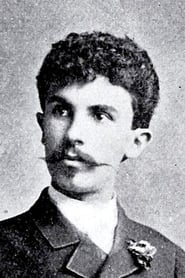
Newark Athlete
"using 3/4-inch wide film"
Keys: Space play/pause · ←/→ 10s · F fullscreen · M mute · </> speed
About this film
Experimental film fragment made with the Edison-Dickson-Heise Experimental horizontal-feed kinetograph camera and viewer, using 3/4-inch wide film.
Cast & crew
More films like this
More Documentary films
View all →
More from William K.L. Dickson
View all →

More about this film
About the production
Release dateJune 1891
ProductionEdison Manufacturing Company
Filmed inEdison Laboratory, West Orange, New Jersey
This film was created as an experimental test of the Edison-Dickson-Heise horizontal-feed kinetograph camera and viewer system. The 3/4-inch wide film used was wider than standard film stock, making this an important technical experiment. The subject was likely an Edison employee or local resident recruited to demonstrate movement for the camera. The film was shot in the Edison Laboratory's Black Maria studio or a similar controlled environment. As an experimental piece, it was never intended for commercial exhibition but rather served as a technical demonstration of the new motion picture technology.
Themes
Themes & topics
experimental filmathleteearly cinematest footageEdisonkinetographsilent filmblack and whiteshort filmdocumentary
Historical background
Newark Athlete (1891) emerged during the earliest years of motion pictures. Experimental film fragment made with the Edison-Dickson-Heise experimental horizontal-feed kinetograph camera and viewer, using 3/4-inch wide film. Archival records and catalog entries help place the work within film-history surveys of the period.
Why this film matters
Preserved under Wikidata ID Q1983441, Newark Athlete is valued as a screen drama within catalog and archive collections. Wikipedia's "Newark Athlete" entry connect it to broader histories of cinema exhibition and restoration.
Making of
The creation of 'Newark Athlete' was part of Thomas Edison's ambitious project to develop a motion picture system that would complement his phonograph. William K.L. Dickson, Edison's chief assistant, had been working since 1888 to create a device that could record and reproduce moving images. The film was shot using the experimental horizontal-feed kinetograph, which was an early prototype of Edison's motion picture camera. The 3/4-inch film stock used in this experiment was wider than what would later become standard, making this an important technical test. The subject, likely recruited from the local Newark area or from Edison's workforce, was instructed to perform simple athletic movements to test the camera's ability to capture motion. The film was shot in either Edison's Black Maria studio or another controlled environment at the West Orange laboratory. As with many of Edison's early experiments, the primary goal was technical rather than artistic - they were testing whether the equipment could successfully record and replay moving images. The film represents a crucial moment in the development of cinema technology, occurring just a few years before the first public exhibitions of motion pictures.
What critics said
Trade and archival sources offer limited day-one review coverage for Newark Athlete. Modern reception rests on its availability in collections, repertory screenings, and reference works that document 1891 cinema.
Did you know?
- This is one of the earliest surviving motion pictures ever made, predating more famous Edison films like 'The Kiss' (1896) and 'The Great Train Robbery' (1903)
- The film was created using an experimental horizontal-feed kinetograph, which was an early version of Edison's motion picture camera
- The 3/4-inch wide film stock used was significantly wider than the 35mm film that would later become the industry standard
- William K.L. Dickson, the director, was Thomas Edison's primary assistant in developing motion picture technology
- The film was never intended for public exhibition but was created as a technical test of the new equipment
- The identity of the Newark Athlete remains unknown, though he was likely an Edison employee or local resident
- This film represents an important step in the development of the motion picture camera and projector technology
- The Edison Company would later use similar athletic subjects in their early films to demonstrate the new technology's ability to capture motion
- The film is preserved at the Library of Congress as part of their collection of early motion pictures
- Despite its brevity, this film represents a crucial moment in cinema history, capturing the transition from still photography to motion pictures
Visual style
The cinematography of 'Newark Athlete' reflects the extreme limitations of early motion picture technology. The film was captured using the experimental Edison-Dickson-Heise horizontal-feed kinetograph camera, which was one of the first devices capable of recording moving images. The camera would have been large, cumbersome, and required significant technical expertise to operate. The 3/4-inch wide film stock used was an experimental format that differed from what would later become standard. The lighting would have been challenging, requiring either bright natural light or early artificial lighting solutions. The camera was likely stationary, as mobile cameras would not be developed for many years. The frame rate would have been inconsistent by modern standards, probably around 16 frames per second or less. The composition would have been simple and functional, with the subject positioned centrally to ensure maximum visibility of the movement being recorded. The visual quality would appear grainy and unstable to modern viewers, but represented a significant technical achievement for its time.
Memorable scenes
- The brief but historic moment when the Newark Athlete performs athletic movements for the camera, representing one of the first times human motion was successfully captured on film
What audiences thought
When 'Newark Athlete' was created in 1891, it was never intended for public viewing, so there was no contemporary audience reception to record. The film was a technical experiment conducted within Edison's laboratory, not a commercial product meant for exhibition. Modern audiences who have the opportunity to view this historical artifact typically approach it with an understanding of its significance in cinema history rather than expectations of entertainment value. Viewers today are often struck by the primitive nature of the image and the brief duration of the film, but also fascinated by its connection to the birth of motion pictures. The film serves primarily as an educational tool for those interested in the history of cinema and early technology. For film students and historians, viewing such early Edison experiments provides valuable insight into the technical limitations and creative possibilities faced by cinema's pioneers.
Film connections
This film influenced
- Other Edison experimental films from 1891-1893
- Early athletic demonstration films
- Technical test films in the development of cinema
Film restoration
The film is preserved at the Library of Congress as part of their collection of early motion pictures. It has been digitized and is available for historical and educational purposes. The preservation status of this 1891 experimental film is considered good for its age, though some deterioration is inevitable given the early film technology used.
Where to watch
- Library of Congress digital collections
- Edison Motion Picture archives
- Early cinema historical websites
- Film history educational platforms
- Museum of Modern Art film collection