Police Chasing Scorching Auto
"Hot pursuit down the avenue"
Keys: Space play/pause · ←/→ 10s · F fullscreen · M mute · </> speed
About this film
Police officers pursue a speeding automobile that almost hit a small child. This short is an outtake from Life of an American Policeman (1905).
Cast & crew
More films like this

More Action films
View all →
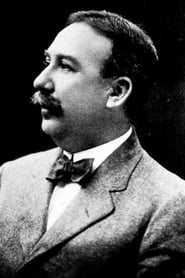
More from Edwin S. Porter
View all →

More about this film
About the production
Release date1906
Box officeUnknown
ProductionEdison Manufacturing Company
Filmed inNew York City, New York
This film was created as surplus footage from the longer production 'Life of an American Policeman' (1905). After editing that film to fit the standard 1,000-foot reel limit, director Edwin S. Porter had this complete chase sequence left over. Rather than waste the footage, the Edison Company packaged it as a standalone short film, which was a common practice in early cinema to maximize the commercial value of all shot footage. The film was likely shot on location in New York City streets, requiring coordination with local authorities and posing significant logistical challenges for the era.
Themes
Law and orderTechnology versus traditionPublic safetyUrban modernizationChildhood innocence
Themes & topics
police chaseautomobilechild in perilspeedinglaw enforcementurban settingaction sequencecrimepursuitdanger
Historical background
Police Chasing Scorching Auto reached screens around 1906, produced in its country of origin. Programs then mixed actualities, dances, and staged scenes in single-reel slots.
Why this film matters
Researchers cite Police Chasing Scorching Auto when tracing screen culture of its decade. Its brevity makes it useful for teaching how early narratives were staged.
Making of
The production of this film would have required considerable planning and coordination for its time. Director Edwin S. Porter had to arrange for actual police officers to participate, secure permits for filming on city streets, and coordinate the timing of the chase sequence. The automobile used would have been one of the relatively few motor vehicles available in 1906, making it a novelty both for filming and for audiences. The scene involving the child actor would have required careful blocking to ensure safety while creating the illusion of danger. Early film cameras were bulky and required hand-cranking, meaning the cameraman had to keep pace with the action while maintaining focus and steady operation. The natural lighting conditions of outdoor shooting meant production was dependent on weather and time of day.
What critics said
Reviewers in 1906 weighed Police Chasing Scorching Auto on clarity, pacing, and audience response rather than prestige status. No single canonical review dominates later reference works for the title.
Did you know?
- This film represents one of the earliest examples of a car chase sequence in cinema history, predating what would become a staple action genre.
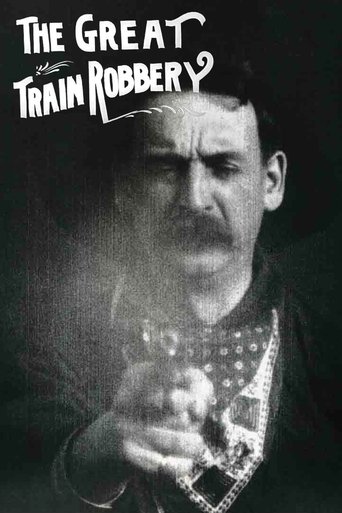
- Edwin S. Porter was a pioneering filmmaker at Edison Studios and previously directed 'The Great Train Robbery' (1903), especially influential early narrative films.
- The film was essentially a byproduct of studio efficiency - created from unused footage that was too good to discard.
- Early automobiles in 1906 could reach speeds of 20-30 mph, which was considered dangerously fast at the time and made for exciting cinema.
- The Edison Manufacturing Company was one of the first film studios and dominated early American cinema production.
- This short would have been shown on nickelodeon programs, often alongside other short films, newsreels, and live acts.
- The film's theme of police versus reckless drivers reflected real social tensions as automobiles became more common in American cities.
- Porter was known for his innovative editing techniques and use of location shooting, both evident in this short.
- The child in the film likely represented the vulnerability of pedestrians in the new automotive age.
- This type of action sequence helped establish the language of cinematic chase scenes that would evolve over the next century.
Visual style
The cinematography of this film reflects the technical limitations and innovations of its era. Shot on location using hand-cranked cameras, the film demonstrates the challenges of mobile photography in 1906. The camera work would have been relatively static by modern standards, with the movement coming primarily from the subjects within the frame. Natural lighting was used throughout, creating authentic but sometimes inconsistent exposure. The film stock was likely black and white 35mm, the standard of the period. Composition would have been influenced by theatrical traditions, with action arranged for maximum visibility within the frame. The chase sequence required careful planning to maintain visual continuity and excitement despite the technical constraints of the equipment.
Innovations
This film demonstrates several technical achievements for its time period. The coordination of a moving chase sequence with multiple participants and vehicles required significant planning and execution. The use of actual automobiles and police officers rather than stage props added authenticity to the production. The film represents an early example of location shooting in an urban environment, which presented numerous logistical challenges. The successful capture of fast-paced action with the cumbersome camera equipment of 1906 was itself a technical accomplishment. The film's existence as a standalone product from unused footage shows the development of efficient production practices in the early film industry.
Music
As a silent film, 'Police Chasing Scorching Auto' would have been accompanied by live musical performance during exhibition. The typical accompaniment might include a pianist or small ensemble playing popular tunes of the era or improvising music to match the on-screen action. During chase sequences, faster-paced music such as ragtime or marches would have been employed to heighten excitement. The near-miss with the child might have been accompanied by dramatic chords or sudden changes in tempo. The music selection would have been at the discretion of the individual theater's musical director, meaning performances could vary significantly between venues. Some larger theaters might have employed special sound effects to enhance the action, such as whistles or bells for the police pursuit.
Famous quotes
(Silent film - no dialogue)
Memorable scenes
- The dramatic moment when the speeding automobile narrowly misses hitting the small child, creating immediate tension and establishing the stakes of the police pursuit. This scene effectively combines spectacle with moral purpose, demonstrating cinema's ability to create suspense and emotional engagement in its earliest narrative forms.
What audiences thought
Early 1900s audiences would have found this short thrilling due to its fast-paced action and the novelty of seeing automobiles in motion pictures. The chase format was inherently exciting and easy to follow, making it popular with the diverse audiences of nickelodeon theaters. The near-miss with the child would have created genuine tension for viewers, demonstrating cinema's ability to evoke emotional responses. The familiar theme of police pursuing criminals provided a clear moral framework that resonated with Progressive Era values. The film's brevity made it ideal for the short attention spans and varied programming of early cinema venues. Audiences would have appreciated the authentic location shooting and the spectacle of actual vehicles in motion.
Film connections
Influenced by
- The Great Train Robbery (1903)
- Life of an American Policeman (1905)
- Actualities and documentary films of the era
- Stage melodramas and chase scenes
This film influenced
- Later police chase films
- Action cinema chase sequences
- Automobile-themed movies
- Early crime films
Film restoration
The preservation status of this specific film is unclear, as many Edison Company films from this period have been lost or exist only in fragmentary form. However, given its connection to the better-documented 'Life of an American Policeman,' there is a possibility that copies may exist in film archives such as the Library of Congress, the Museum of Modern Art's film collection, or other early cinema repositories. The film would have been originally distributed on 35mm nitrate stock, which is highly flammable and prone to deterioration, making survival challenging without proper preservation efforts.
Where to watch
- Due to its age and rarity, this film is likely only accessible through specialized film archives, museum collections, or academic institutions specializing in early cinema. It may occasionally be screened at film festivals or retrospectives focusing on Edwin S. Porter's work or early American cinema. Some archives like the Library of Congress or the Edison National Historic Site may hold copies for research purposes. The film might be included in DVD collections or streaming services dedicated to silent cinema or Edison Studios productions, though specific availability would need to be verified through film preservation databases and archive catalogs.