

Prisoners of the Lost Universe
"Three people are transported into a parallel universe"
Keys: Space play/pause · ←/→ 10s · F fullscreen · M mute · </> speed
About this film
Three people are transported into a parallel universe. There they find that they must use modern technology, but medieval weapons, in order to save the citizenry from a murderous warlord.
Cast & crew
More Adventure films
View all →

More about this film
About the production
Release dateMarch 1983
Budget$1.5 million
Box officeUnknown (limited theatrical release)
ProductionInternational Film Management, Marcel Films
Filmed inPinewood Studios, England, Buckinghamshire, England
The picture was shot on a modest budget in just six weeks, utilizing many of the same sets and props from other fantasy productions of the era. The parallel universe sequences were filmed on soundstages with extensive matte paintings to create the otherworldly atmosphere. The production faced challenges with the limited special effects budget, forcing creative solutions for the matter transporter sequences and other sci-fi elements. Director Terry Marcel, known for his work on 'Hawk the Slayer', brought his experience with low-budget fantasy filmmaking to this project.
Themes
Technology vs. primitive societyLeadership and responsibilityAdaptation to new environmentsThe corruption of powerKnowledge as a weapon
Themes & topics
parallel universetime travelmedievalscience fictionfantasyadventurewarlordtransporterdimensional travelrebellionmodern technologymedieval weapons
Historical background
International Film Management's 1983 release of Prisoners of the Lost Universe fit contemporary United Kingdom programs that mixed fiction, news, and novelty subjects for repeat weekly attendance.
Why this film matters
Programmers and historians revisit Prisoners of the Lost Universe (1983) because its story—three people are transported into a parallel universe—illustrates popular narrative habits and production norms of the period.
Making of
The production of 'Prisoners of the Lost Universe' was a typical example of early 1980s low-budget genre filmmaking. Director Terry Marcel, coming off the cult success of 'Hawk the Slayer', conceived the project as a way to capitalize on the growing popularity of science fiction and fantasy films following the success of 'Star Wars' and 'Conan the Barbarian'. The casting of Richard Hatch was a strategic move to attract his 'Battlestar Galactica' fanbase. the picture faced numerous production challenges, including budget constraints that forced the crew to reuse props and sets from other productions. The matter transporter sequences proved particularly difficult to execute convincingly with limited resources, leading to creative solutions involving multiple exposure techniques and practical effects. Despite these challenges, the cast and crew maintained a positive attitude, with Richard Hatch later commenting that the experience was like 'making a movie with friends in your backyard, but with professional equipment'.
What critics said
English-language trade reviews of Prisoners of the Lost Universe are limited for 1983. Where notices survive, they stress pacing and photographic clarity; later criticism values the title as archival evidence of studio style.
Did you know?
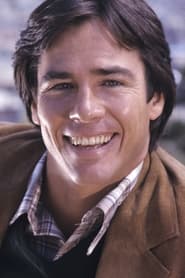
- Richard Hatch, who plays Dan, was best known at the time for his role as Captain Apollo in the original 'Battlestar Galactica' series
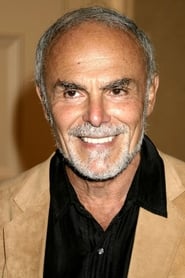
- John Saxon's character Kleel was originally written as a much smaller role but was expanded after Saxon signed on to the project
- the picture's working title was 'Dimension Warriors' before being changed to 'Prisoners of the Lost Universe'
- Many of the medieval weapons used in the picture were authentic replicas borrowed from a private collector
- The matter transporter effect was achieved using a combination of practical effects including smoke, mirrors, and early video feedback techniques
- Kay Lenz performed her own stunts in several action sequences, including a fall from a 15-foot platform
- the picture was one of the first to explore the 'tech in medieval setting' trope that would later become popular in films and TV shows
- Despite being a British production, the picture was financed primarily with American money and aimed at the US market
- The parallel universe scenes were filmed using a special color filter technique to give them a distinctive otherworldly appearance
- the picture's score was composed by Michael J. Lewis, who also worked on 'The Medusa Touch' and 'The People That Time Forgot'
Visual style
The cinematography by Alan Hume, who also worked on 'For Your Eyes Only' and 'Return of the Jedi', attempted to create a distinctive visual style that would differentiate the parallel universe from modern Earth. The Earth sequences were shot with a more conventional, realistic approach, while the alternate dimension scenes employed warmer color palettes and more dramatic lighting to establish the fantasy setting. the picture makes extensive use of matte paintings to expand the scope of the world beyond what could be practically built on the budget. The action sequences, though limited by budget, feature dynamic camera movement and editing that attempts to create excitement despite the constraints. The matter transporter effects, while dated by modern standards, were innovative for their time, using multiple exposure techniques and practical lighting effects.
Innovations
While 'Prisoners of the Lost Universe' was not a groundbreaking film in terms of technical innovation, it did feature some creative solutions to the challenges of low-budget genre filmmaking. The matter transporter sequences, though simple by modern standards, used a combination of practical effects including smoke machines, colored gels, and early video feedback techniques to create the illusion of dimensional travel. The production team developed a cost-effective method for creating the parallel universe's distinctive look using color filters during filming rather than relying entirely on post-production processes. the picture also featured some early attempts at combining practical makeup effects with optical processing for the creature designs. These techniques, while rudimentary compared to big-budget productions of the era, demonstrated ingenuity in maximizing visual impact within severe budget constraints.
Music
The musical score was composed by Michael J. Lewis, who brought his experience from other fantasy and science fiction productions to create a soundtrack that blended orchestral grandeur with electronic elements. The main theme features a heroic brass melody that captures the adventure aspect of the story, while the parallel universe sequences incorporate more mysterious and exotic instrumentation. The score makes effective use of synthesizers alongside traditional orchestra to create the sense of otherworldliness. While the soundtrack was never officially released as an album, portions of it have circulated among film music enthusiasts. The music successfully elevates many scenes beyond what the visuals alone could achieve, particularly in the action sequences where the driving percussion and brass sections create tension and excitement.
Famous quotes
In this world, our knowledge is their magic—and their weapons are our only hope for survival.
We may be prisoners of this universe, but we won't be prisoners of fear!
Modern science meets medieval warfare—let's see who wins.
Memorable scenes
- The opening matter transporter accident where the three protagonists are violently thrown between dimensions, featuring swirling colors and disorienting visual effects that establish the picture's sci-fi premise.
- The climactic battle sequence where the heroes combine 20th-century tactical knowledge with medieval weaponry, using formations and strategies completely alien to the fantasy world's inhabitants.
What audiences thought
Audience reception in 1983 was modest, with the picture performing poorly in its limited theatrical run. However, it found more success on the emerging home video market, where its blend of action and sci-fi elements appealed to genre fans looking for weekend entertainment. In the years since, it has developed a small but dedicated cult following among enthusiasts of 1980s genre cinema. Online forums and retro movie communities often discuss it fondly as an example of earnest, if flawed, 80s filmmaking. Many viewers appreciate the picture's earnest attempt at creating an imaginative world despite its obvious budget limitations, with some considering it a 'guilty pleasure' worth revisiting.
Film connections
Influenced by
- Star Wars
- The Time Machine
- Conan the Barbarian
- Battlestar Galactica
- Flash Gordon
This film influenced
- Army of Darkness
- Stargate
- Timeline
Film restoration
the picture exists in complete form and has been preserved through various home video releases. While no official restoration has been undertaken, the picture survives on VHS, DVD, and various digital platforms. The original film elements are believed to be stored in archives, though they have not undergone extensive preservation work. Several bootleg versions circulate among collectors, some of which offer better quality than official releases.
Where to watch
- Available on DVD through various specialty retailers
- Streaming on Tubi
- Available for digital rental/purchase on Amazon Prime Video
- Occasionally airs on retro movie cable channels
- VHS copies can be found through second-hand markets