Rube and Mandy at Coney Island
"Coney Island rides with Rube and Mandy"
Keys: Space play/pause · ←/→ 10s · F fullscreen · M mute · </> speed
About this film
Beyond pre-feature era life, the first scene shows a country couple entering Steeplechase Park. They proceed to amuse themselves on the steeplechase...
Cast & crew
More films like this
More Comedy films
View all →







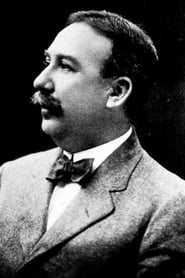
More from Edwin S. Porter
View all →

More about this film
About the production
Release dateAugust 1903
ProductionEdison Manufacturing Company
Filmed inConey Island, Brooklyn, New York, Steeplechase Park, Coney Island
This film was notable for being one of the first to use actual location shooting at an amusement park, capturing real rides and attractions rather than studio sets. The production utilized the actual Steeplechase ride and other park attractions, providing authentic documentation of early 20th-century amusement park entertainment. The film was shot during the park's operating hours, requiring coordination with park management and potentially dealing with crowds in the background.
Themes
Rural vs. Urban cultureModernization and technologyAmerican popular entertainmentSocial class and leisureInnocence and experience
Themes & topics
amusement parkcountry couplecomedyConey Islandsteeplechasenaivetyurban entertainmentlocation shooting
Historical background
Production in 1903 placed Rube and Mandy at Coney Island among pre-feature era releases competing for attention in a rapidly expanding market. Porter Copyrighted on August 13, 1903, the 725 ft., 35mm film lasted roughly 10 minutes if projected at 20 frames per second.
Why this film matters
Retrospective programs include Rube and Mandy at Coney Island when mapping pre-feature era output across genres and national cinemas. Rube and Mandy at Coney Island was produced, directed, shot and edited by Edwin S.
Making of
Edwin S. Porter employed actual park visitors and employees in many scenes, creating a documentary-like quality alongside the staged comedy. The production team had to work around the park's operating schedule, filming during actual ride operations. The actors playing Rube and Mandy were likely regular performers from Edison's stock company, though their exact identities remain uncertain due to incomplete records from this early period. The filming required careful coordination with ride operators to ensure the safety of both actors and equipment while capturing the dynamic motion of the attractions. Porter's innovative approach of combining staged narrative with authentic location footage was groundbreaking for 1903, influencing how future filmmakers would approach location shooting.
What critics said
Festival revivals have renewed discussion of Rube and Mandy at Coney Island among pre-feature era specialists.
Did you know?
- This film is considered one of the earliest examples of location shooting for entertainment purposes, filming at the actual Coney Island amusement park rather than on studio sets
- The 'Steeplechase' in the title refers to the park's signature ride, which featured mechanical horses that raced along a track while riders were bounced and jostled
- Edwin S. Porter, the director, would later direct 'The Great Train Robbery' (1903), especially influential early narrative films
- The film serves as valuable historical documentation of Steeplechase Park, which was destroyed by fire in 1907
- The characters 'Rube and Mandy' were stock characters representing naive country folk, a common trope in early American comedy
- The film was shot on 35mm film using the Edison Manufacturing Company's standard equipment
- This was one of many films Porter made showing everyday American life and entertainment venues
- The original film was tinted in some versions, with hand-coloring applied to certain scenes
- The film's release coincided with the peak popularity of Coney Island as America's premier amusement destination
- Porter often used real locations and non-actors in his films to achieve greater authenticity
Visual style
The cinematography was typical of Edison films from 1903, using stationary cameras positioned to capture the action in wide shots. The camera work was functional rather than artistic, focusing on clearly showing the attractions and the characters' reactions. The film utilized natural lighting available at the outdoor location, creating a more authentic feel than studio-bound productions of the era. The camera was placed at strategic angles to best capture the motion of the rides and the comedic reactions of the performers.
Innovations
The film's primary technical achievement was its successful use of location shooting in a dynamic, moving environment. Porter and his crew overcame the challenges of filming moving rides and attractions, requiring careful timing and camera placement. The film demonstrated the feasibility of shooting narrative content in real entertainment venues, expanding the possibilities for cinematic storytelling beyond studio constraints.
Music
As a silent film, it would have been accompanied by live musical performance during exhibition, typically piano or organ music. The specific musical selections would have been chosen by the theater's musical director to match the on-screen action, likely including popular songs of the era and comedic musical cues. No original score was composed specifically for the film.
Famous quotes
(Intertitle) Rube and Mandy see the sights at Coney Island
Memorable scenes
- The couple's wild ride on the Steeplechase attraction, showing them being bounced and thrown about while trying to maintain their dignity and composure
What audiences thought
The film was popular with audiences of its time, who were familiar with Coney Island and could appreciate the humor in seeing naive country folk react to modern attractions. Audiences enjoyed recognizing actual rides and attractions they had experienced themselves. The film's short length and simple humor made it ideal for the variety show format common in early cinema exhibition, where it was often paired with other short films and live performances.
Film connections
Influenced by
- Actualities and documentary films of the era
- Stage comedy featuring 'country bumpkin' characters
- Edison's earlier films showing American life and leisure
This film influenced
- Subsequent Edison films showing amusement parks and entertainment venues
- Early comedy shorts featuring naive characters in modern settings
- Documentary-style narrative films of the 1900s
Film restoration
The film is preserved in the Library of Congress collection and has been digitized for archival purposes. Copies are also held by the Museum of Modern Art and other film archives. The film has survived in relatively good condition considering its age, though some deterioration is evident in existing prints.
Where to watch
- Library of Congress National Screening Room
- Museum of Modern Art online collection
- Various public domain film websites
- DVD compilations of early Edison films
- YouTube (through authorized archives)