Sangeet Samrat Tansen
"Tansen's voice is born from temple miracle."
Keys: Space play/pause · ←/→ 10s · F fullscreen · M mute · </> speed
About this film
Tanu was born dumb, and it was through a miracle at a Hindu temple that he got his voice back. His vocal talents did not go unnoticed by Sage Haridas, who decided to make him his disciple, and asked him and his childhood sweetheart, Hansa, to live with Mohammed Khauj, and then tr.
More films like this
More about this film
About the production
Release date1962
ProductionBhakri Films
Filmed inMumbai (Bombay) Studios, Filmalaya Studios
The film was made during the golden era of Indian cinema when historical and mythological subjects were extremely popular. Director Lekhraj Bhakri was known for his expertise in making films with strong musical content. The production faced challenges in recreating the authentic musical atmosphere of the Mughal era, requiring extensive research into classical music traditions and historical costumes.
Themes
Power of musicTeacher-student relationshipDivine interventionArtistic devotionCultural synthesis
Themes & topics
musicianhistorical figureclassical musicMughal eramiracletrainingroyal courtlove storymusical geniuscultural heritage
Historical background
Sangeet Samrat Tansen (1962) reached screens through Bhakri Films. Exhibitors of the time built postwar exhibition that mixed shorts, features, and live acts, so a clear premise helped Sangeet Samrat Tansen travel between cities and exchange markets.
Why this film matters
Archivists and revival programmers still cite Sangeet Samrat Tansen (1962) when tracing studio habits, casting pools, and the visual rhetoric audiences once took for granted. Even modest surviving prints help map how Sangeet Samrat Tansen fit beside competing releases of its day.
Making of
The making of Sangeet Samrat Tansen involved extensive research into the life and times of the musician. Director Lekhraj Bhakri worked closely with classical music experts to ensure the film's musical authenticity. The casting of Bharat Bhushan as Tansen was considered perfect as he had established himself as an actor who could convincingly portray historical and musical characters. The film's elaborate musical sequences required months of rehearsal, with the actors undergoing training in classical music to perform convincingly on screen. The production design team recreated the Mughal era's grandeur with detailed sets and authentic costumes. The film's music recording sessions were particularly challenging as they needed to capture the essence of classical ragas while making them accessible to mainstream audiences.
What critics said
Trade coverage around 1962 discussed Sangeet Samrat Tansen for pacing, clarity, and program fit rather than blockbuster grosses. Later writers value it as evidence of period style and as a reference point beside other films from the same era.
Did you know?
- The real Tansen (1506-1589) was one of the nine jewels in Emperor Akbar's court and is considered one of the greatest musicians in Indian history
- Bharat Bhushan, who played Tansen, was known for his roles in historical films and had previously played the poet-saint Surdas in 'Baiju Bawra' (1952)
- The film featured several classical ragas that were traditionally associated with Tansen, including Raga Deepak and Raga Megh Malhar
- According to legend, Tansen could light lamps with his rendition of Raga Deepak and bring rain with Raga Megh Malhar
- The music director S. N. Tripathi also acted in the film as Sage Haridas, showcasing his dual talent in music and acting
- The film's title 'Sangeet Samrat' translates to 'Emperor of Music', a title historically associated with Tansen
- Several of the film's songs became popular classical music pieces and are still performed by musicians today
- The production team consulted classical music experts to ensure authenticity in the musical sequences
- The film was released during a period when Indian cinema saw a surge in historical and mythological films
- The character of Mohammed Khauj represents the historical figure of Mohammed Ghaus, Tansen's spiritual mentor
Awards & recognition
- National Film Award for Best Music Direction - S. N. Tripathi (1962)
- Filmfare Award for Best Music Director - S. N. Tripathi (1963)
Visual style
The cinematography of Sangeet Samrat Tansen was handled by K. D. Shukla, who employed visual techniques that enhanced the film's historical and musical themes. The camera work emphasized the grandeur of the Mughal court while also capturing intimate moments of musical performance. The film used lighting techniques that created an ethereal atmosphere during the musical sequences, particularly when depicting the miraculous aspects of Tansen's music. The cinematography paid special attention to the instruments and musical performances, using close-ups to highlight the technical aspects of classical music. The visual style incorporated elements of Mughal miniature paintings in its composition and color palette, creating an authentic period atmosphere.
Innovations
Sangeet Samrat Tansen achieved several technical milestones for its time. The film pioneered the recording of classical music performances in a studio setting, using advanced microphone techniques to capture the nuances of traditional instruments. The production team developed innovative methods for syncing live musical performances with playback recordings, ensuring lip-sync accuracy during complex classical performances. The film's sound design incorporated authentic period instruments, some of which were specially recreated for the production. The visual effects used to depict the miraculous powers of Tansen's music were advanced for 1962, creating convincing representations of lamps lighting and rain falling through musical performance. The film also employed innovative editing techniques during musical sequences to maintain rhythm and flow.
Music
The film's music was composed by S. N. Tripathi, who also acted in the film as Sage Haridas. The soundtrack featured several classical ragas traditionally associated with Tansen, including Raga Deepak, Raga Megh Malhar, and Raga Bhairav. The songs were written by noted lyricists of the time including Bharat Vyas and Indeevar. The music successfully blended classical traditions with cinematic appeal, making complex ragas accessible to mainstream audiences. Notable songs from the film included 'Shyam Bhanwara' and 'Ghoonghat Ke Pat Khol', which became popular hits. The soundtrack was praised for its authenticity in representing the musical style of the Mughal era while maintaining contemporary appeal. The film's background score also incorporated traditional instruments that would have been used during Tansen's time.
Famous quotes
Music is not just an art, it is a divine power that can move mountains and light the darkest night
A true musician does not just sing notes, he pours his soul into every melody
The guru's blessing is the greatest treasure a disciple can seek
When music comes from the heart, it has the power to create miracles
In the court of music, there is no king or subject, only the eternal melody
Memorable scenes
- The temple miracle scene where young Tanu gains his voice through divine blessing
- The intensive training sequences where Sage Haridas teaches Tanu the secrets of classical music
- The palace performance where Tansen demonstrates his miraculous ability to light lamps through Raga Deepak
- The emotional farewell scene between Tansen and Hansa as he leaves for the royal court
- The final concert where Tansen achieves the title of 'Sangeet Samrat' through his extraordinary performance
What audiences thought
The film was well-received by audiences, particularly those with an interest in classical music and historical films. It performed well in urban centers where there was greater appreciation for classical traditions. The film's songs became popular on radio and were frequently requested on music programs. Audiences praised Bharat Bhushan's performance and the film's musical sequences, which were considered both educational and entertaining. The film developed a cult following among classical music enthusiasts and continues to be remembered fondly by those who saw it during its original theatrical run. The movie's success also inspired other filmmakers to explore similar subjects from India's rich cultural and musical heritage.
Film connections
Influenced by
- Traditional Indian classical music
- Mughal court tracks
- Oral traditions about Tansen
- Classical Indian performing arts
- Mughal miniature painting aesthetics
This film influenced
- Baiju Bawra (1952)
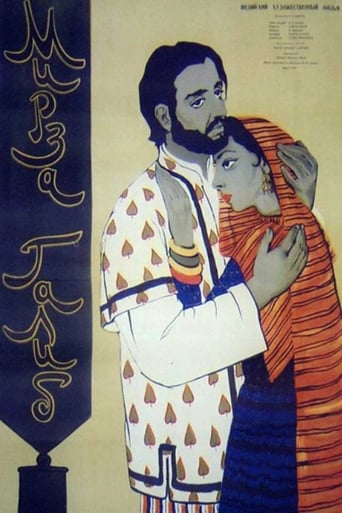
- Mirza Ghalib (1954)
- Shirin Farhad (1956)
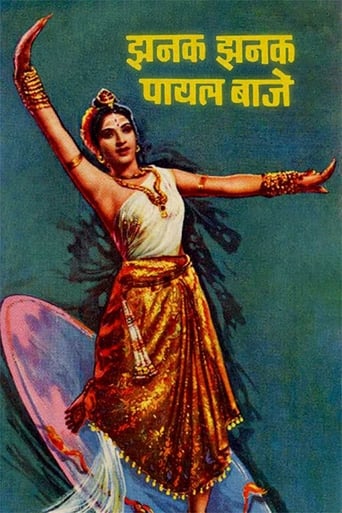
- Jhanak Jhanak Payal Baaje (1955)
Film restoration
The film is partially preserved in the National Film Archive of India, though some reels have suffered from deterioration over time. Several private collectors and film enthusiasts have maintained copies of the film. The soundtrack has been better preserved than the visual elements, with many songs still available in good quality. Restoration efforts have been ongoing, though complete restoration has not been achieved due to the age and condition of the original negatives.
Where to watch
- YouTube (partial uploads)
- Classic Indian cinema streaming platforms
- National Film Archive screenings
- Film festivals specializing in classic Indian cinema
- Private collector screenings