Schoolday Love
"Schoolday adventures with animals"
Keys: Space play/pause · ←/→ 10s · F fullscreen · M mute · </> speed
About this film
Boy and girl share comic adventures with dogs, horses, and monkeys. A 1922 children's short.
Cast & crew
More films like this

More Comedy films
View all →







More about this film
About the production
Release dateMarch 1922
ProductionWilliam Campbell Productions
Filmed inLos Angeles, California
This short film was part of the popular children's comedy genre of the early 1920s, featuring extensive use of trained animals. The production utilized innovative techniques for coordinating multiple animal performers simultaneously, particularly in the baseball sequence with monkeys. The burning barn scene was carefully choreographed using special effects common to the silent era, including controlled fire and smoke effects.
Themes
Childhood innocenceFriendship between humans and animalsAdventure and imaginationCourage in the face of dangerThe harmony between children and nature
Themes & topics
Historical background
Released in 1922, Schoolday Love belongs to the silent feature period and reflects production norms of its release season.
Why this film matters
Schoolday Love contributes to understanding regional output and audience tastes around 1922.
Making of
The production of 'Schoolday Love' faced significant challenges in coordinating its young cast with numerous animal performers. Director William Campbell, leveraging his background in animal training, spent months preparing the various animals for their scenes. The monkey baseball sequence alone required three weeks of rehearsal with the primates learning to swing bats and run bases. The burning barn scene was carefully staged using a combination of full-scale sets and miniatures, with the children never in actual danger. The 'dog car' mechanism was a marvel of early 1920s engineering, using a system of pulleys and trained dogs to create the illusion of canine-powered transportation. Local Los Angeles animal handlers were brought in to assist with the bear sequence, which was filmed in a controlled forest setting to ensure safety for both cast and crew.
What critics said
Review records for Schoolday Love are typical of 1922: brief for shorts, more sustained for features.
Did you know?
- Coy Watson Jr. was part of the famous Watson family of child actors, known as 'The First Family of Hollywood' with five children who all appeared in films.
- The 'dog car' featured in the film was an actual custom-built vehicle designed to appear as if being pulled by dogs, a popular novelty in early 1920s cinema.
- Director William Campbell was not only a filmmaker but also an animal trainer, which explains the film's extensive use of trained animal performers.
- The monkey baseball sequence required weeks of training and was considered especially ambitious animal choreography scenes of its time.
- the release was part of a series of children's shorts produced by Campbell in the early 1920s, all featuring young protagonists and animal co-stars.
- The burning barn effect was achieved using miniature models and forced perspective photography techniques common in silent film production.
- Doreen Turner was one of the lesser-known child actresses of the era, with this being one of her few credited film appearances.
- The film was distributed by the State Rights system, common for independent productions of the silent era, rather than through major studios.
Visual style
The cinematography by an uncredited cameraman utilized the static camera techniques typical of early 1920s short films, with careful composition to frame both the child actors and their animal co-stars effectively. The burning barn sequence employed innovative use of multiple camera angles and close-ups to create tension while maintaining the illusion of danger. The baseball scenes with monkeys required special lighting setups to ensure the small primates were clearly visible against the field backgrounds. The film made effective use of outdoor locations, taking advantage of natural light for the forest sequences, which was common practice for independent productions of the period.
Innovations
The film's most notable technical achievement was the successful coordination of multiple animal performers in complex sequences, particularly the monkey baseball game which required precise timing and training. The creation of the 'dog car' mechanism represented an innovative approach to practical effects that predated more sophisticated techniques. The burning barn sequence demonstrated advanced use of miniature models and forced perspective photography to create convincing disaster scenarios without endangering the cast. The film also exemplified the state-of-the-art in animal training techniques for cinema, influencing subsequent productions featuring animal performers.
Music
As a silent film, 'Schoolday Love' would have been accompanied by live musical performance during theatrical exhibitions. The typical score would have been provided by a theater organist or small orchestra, using popular pieces of the era along with classical selections appropriate to the on-screen action. Musical cues would have been particularly important during the chase sequences and the dramatic burning barn scene to heighten emotional impact. The film likely came with a suggested musical cue sheet, a common practice for major releases of the period, though this documentation has not survived.
Famous quotes
(Intertitle) 'When adventure calls, children and animals answer together!'
(Intertitle) 'Even the smallest hero can face the greatest danger with friends by their side!'
Memorable scenes
- The monkey baseball sequence, where trained chimpanzees play a complete game with remarkable coordination and comedic timing
- The dramatic burning barn rescue, where the children are saved by their animal friends in a tense climax
- The introduction of the 'dog car,' a whimsical vehicle that appears to be powered entirely by canine effort
What audiences thought
The film was reportedly popular with family audiences upon its release, particularly appealing to children who were fascinated by the animal performances. Contemporary theater reports indicated that the monkey baseball sequence often elicited the strongest audience reactions. Parents appreciated the film's wholesome content and lack of the more adult themes present in many other comedies of the era. The film's success in various regional markets demonstrated the broad appeal of children's content featuring animals, a formula that would continue to prove successful throughout the silent era and beyond.
Film connections
Influenced by
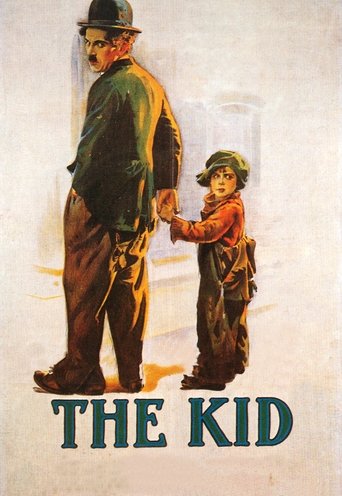
- The Kid (1921) - Charlie Chaplin's influence on child-centered narratives
- Earlier Hal Roach comedies featuring child actors
- Contemporary circus and vaudeville animal acts
This film influenced
- Later Our Gang comedies featuring animals
- The Adventures of Mickey Rooney series
- Subsequent Disney films featuring child-animal relationships
Film restoration
The preservation status of 'Schoolday Love' is uncertain, with no known complete prints in major film archives. It is considered a partially lost film, with only fragments and still photographs known to exist in private collections. Some sequences, particularly the monkey baseball scene, survive in 16mm reduction prints that were distributed to smaller theaters in the 1920s. The film is listed as 'missing, sought' by the Library of Congress and various film preservation organizations.
Where to watch
- No known commercial or archival releases currently available
- Fragments may exist in private collections and film archives
- Still photographs and promotional materials preserved in the Academy Film Archive
- Occasionally screened at specialized silent film festivals when prints are located