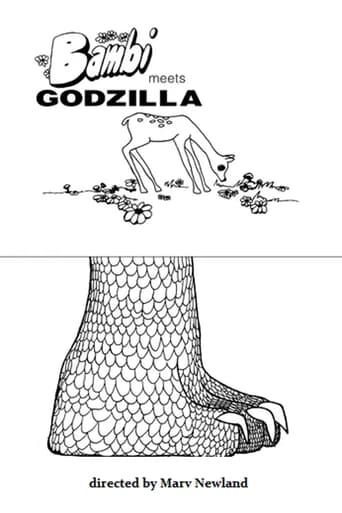
Short Subject
"Commonly known Mickey Mouse Vietnam"
Keys: Space play/pause · ←/→ 10s · F fullscreen · M mute · </> speed
About this film
Short Subject [commonly known as Mickey Mouse in Vietnam] is a 16mm underground animated short film. Mickey Mouse enlists with the army and ships off to Vietnam.
Cast & crew
More films like this
More War films
View all →

More about this film
About the production
Release date1969
Box officeNot commercially released (underground distribution only)
ProductionIndependent underground production
Filmed inLikely produced in New York or California (underground film scene)
Created as an unauthorized parody using Disney's Mickey Mouse character, this 16mm animated short was produced during the height of the Vietnam War protests. The film was part of the counter-culture movement's response to mainstream media's portrayal of the war. Lee Savage created this as a political statement, risking legal action from Disney for copyright infringement. The animation style deliberately mimics early Disney cartoons to create a jarring contrast with the dark subject matter.
Themes
Anti-war protestLoss of innocenceCritique of American imperialismSubversion of corporate symbolsPsychological trauma of war
Themes & topics
Vietnam WarMickey MouseAnti-warUnderground filmPolitical satireAnimationCounter-cultureUnauthorized parodyPropaganda critiquePsychological trauma
Historical background
Contemporary records classify Short Subject (1969) as 1969 16mm underground animated short film, placing it within the post-studio era and expanding independent production.
Why this film matters
Short Subject (1969) helps trace genre evolution, performer careers, and the material conditions of sound exhibition.
Making of
Lee Savage, coming from a family of animators, created this subversive short as a direct response to the Vietnam War and American media's portrayal of it. The production was done in secret to avoid Disney's legal team, using a small team of underground animators who shared Savage's anti-war sentiments. The decision to use Mickey Mouse was deliberate - as America's most beloved cartoon character, his involvement in the horrors of Vietnam created maximum shock value. The animation was intentionally rough and unpolished to contrast with Disney's pristine productions, emphasizing the ugliness of war. The film was completed in 1969, during the peak of American involvement in Vietnam, and was immediately embraced by the counter-culture movement as a powerful piece of protest art.
What critics said
Retrospective notes on Short Subject emphasize its value as a period production rather than blockbuster reception.
Did you know?
- This film was created without Disney's permission and used their trademarked character illegally
- Director Lee Savage was the son of famous cartoon director Max Fleischer
- The film was distributed through underground film circuits and anti-war demonstrations
- Disney was reportedly furious about the film but never took legal action, likely to avoid drawing more attention to it
- The short was considered lost for many years before resurfacing in film archives
- It's one of the earliest examples of using familiar cartoon characters for political satire
- The film was frequently screened at college campuses during Vietnam War protests
- Only a few 16mm prints were ever made, contributing to its rarity
- The animation was created using traditional cel animation techniques but with a deliberately crude style
- Mickey Mouse is one of the few copyrighted characters to be used in anti-war propaganda during this era
Visual style
The film uses traditional cel animation techniques but deliberately employs a rough, unfinished aesthetic that contrasts sharply with Disney's polished style. The color palette is muted and dark, using grays, browns, and deep reds to evoke the grim reality of war. The animation is intentionally jerky and crude in places, emphasizing the chaos and violence of combat. Visual techniques include rapid cuts between Mickey's cheerful demeanor and brutal war scenes, creating cognitive dissonance. The film occasionally uses mock propaganda-style imagery before subverting it with graphic content. The animation style evolves throughout the short, becoming increasingly fragmented and abstract as Mickey experiences trauma, visually representing psychological breakdown.
Innovations
While not technically innovative in terms of animation techniques, the film was groundbreaking in its use of copyrighted characters for political commentary. The production demonstrated how limited resources could be used effectively to create powerful political statements. The filmmakers managed to create a convincing Disney-style animation despite working outside the studio system. The film's preservation and restoration over the years has been notable, given its underground origins and the limited number of original prints. It represents an early example of what would later be called 'culture jamming' - using corporate imagery against itself. The technical execution, while crude by studio standards, effectively serves the film's subversive purpose.
Music
The film uses a minimalist sound design with limited dialogue, relying primarily on ambient sounds and occasional patriotic music that becomes increasingly ironic as the narrative progresses. The soundtrack includes distorted versions of American patriotic songs, military marches, and the sounds of jungle warfare. Mickey's familiar high-pitched voice is used sparingly, making his occasional dialogue more impactful. The audio design emphasizes the contrast between the cartoon's typically cheerful sound effects and the grim reality of war. Gunfire, explosions, and screams are mixed with incongruously cheerful music, creating a disturbing auditory experience. The sound quality reflects its underground production origins, with a raw, unpolished aesthetic that matches the visual style.
Famous quotes
Mickey's enthusiastic 'I want to serve my country!' during enlistment
The ironic 'It's a small world after all' played over war scenes
Mickey's traumatized silence in the final scenes
The distorted military march accompanying jungle combat
The recruitment officer's 'You'll be a hero, son!'
Memorable scenes
- Mickey Mouse happily signing his enlistment papers with patriotic music playing
- The jarring transition from basic training to jungle combat
- Mickey's expression changing from enthusiasm to horror as he witnesses war atrocities
- The final scene showing a broken, traumatized Mickey returning home
- The subversion of Disney's 'happily ever after' trope with a grim ending
What audiences thought
The film was enthusiastically received by anti-war activists and college students when it was screened at protests and campus events. Many viewers found the juxtaposition of Mickey Mouse with Vietnam War imagery shocking and effective in conveying the horrors of war. The underground film circuit embraced it as a powerful statement against American involvement in Vietnam. Some viewers, particularly those who had grown up with Disney cartoons, found the subversion deeply unsettling, which was precisely the filmmaker's intent. The film circulated primarily through word of mouth and was considered a 'must-see' among counter-culture circles. Its rarity and controversial nature added to its mystique and impact on audiences who managed to see it.
Film connections
Influenced by
- Vietnam War footage
- Disney propaganda cartoons from WWII
- Counter-culture art of the 1960s
- Political protest art
- Underground comix movement
- Anti-war documentary films
This film influenced
- Later political animation works
- Modern culture jamming videos
- Unauthorized parody animations
- Political protest shorts
- Anti-war documentaries using animation
Film restoration
The film was considered lost for many years but has been preserved in several film archives, including the Anthology Film Archives in New York. Original 16mm prints are extremely rare, with only a handful known to exist. The film has been digitally restored and is occasionally screened at underground film festivals and museum exhibitions. Its preservation status is considered stable due to its historical significance, though it remains largely inaccessible to mainstream audiences. Some versions circulate online, but quality varies significantly depending on the source.
Where to watch
- Anthology Film Archives (New York) - occasional screenings
- Museum of Modern Art film collection - special screenings
- Various underground film festivals
- Academic film collections and university archives
- Online video platforms (unofficial uploads)
- Specialized animation and counter-culture film collections