
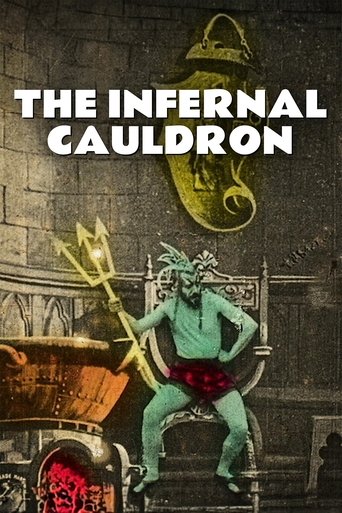
Sideshow Wrestlers
"man gets cajoled into working as a sideshow wrestler"
Keys: Space play/pause · ←/→ 10s · F fullscreen · M mute · </> speed
About this film
A man gets cajoled into working as a sideshow wrestler.
Cast & crew
More films like this
More Drama films
View all →







More from Georges Méliès
View all →

More about this film
About the production
Release date1908
ProductionStar Film Company
Filmed inStudio Georges Méliès, Montreuil-sous-Bois, France
Filmed in Méliès's glass-walled studio in Montreuil, which allowed for natural lighting while providing complete control over the environment. The wrestling scenes would have been choreographed and filmed using multiple exposure techniques to create the magical transformations. Like many of Méliès's films from this period, it was likely completed in a single day of shooting.
Themes
TransformationRole reversalTheatricality vs. realityComedy of humiliationMagical realism
Themes & topics
Historical background
By 1908, Star Film Company was supplying France theaters with titles like Sideshow Wrestlers, part of the broader expansion of filmed entertainment into working-class districts and small towns.
Why this film matters
Programmers and historians revisit Sideshow Wrestlers (1908) because its story—a man gets cajoled into working as a sideshow wrestler—illustrates popular narrative habits and production norms of the period.
Making of
Georges Méliès filmed 'Sideshow Wrestlers' in his innovative glass studio in Montreuil-sous-Bois, a suburb of Paris. This unique studio allowed him to control lighting while still having enough space for elaborate sets and choreography. The wrestling scenes would have required careful planning, as Méliès was known for his meticulous storyboarding. The special effects, particularly the magical transformations, were created using his pioneering substitution splice technique - stopping the camera, changing elements in the scene, then restarting filming. The actors were likely drawn from Méliès's regular troupe of performers from the Théâtre Robert-Houdin, which he owned before focusing on cinema. The hand-coloring process, if applied to, would have been done by a team of women workers in Méliès's studio, with each frame carefully painted using stencils.
What critics said
English-language trade reviews of Sideshow Wrestlers are limited for 1908. Where notices survive, they stress pacing and photographic clarity; later criticism values the title as archival evidence of studio style.
Did you know?
- is one of Méliès's later works, created during a period when his popularity was beginning to wane in the face of competition from other filmmakers
- The wrestling theme reflects the popular circus and sideshow culture of early 20th century France
- Like many Méliès films, it was hand-colored in some releases, with each frame individually painted by women workers in his studio
- the picture was distributed in America by the Star Film Company under catalog number 1175-1176
- Méliès himself often appeared in his films, and may have played the role of the showman or one of the wrestlers
- The magical transformation effects were achieved using the substitution splice technique, which Méliès accidentally discovered and perfected
- represents one of Méliès's ventures into more grounded, comedic subject matter, moving away from his earlier fantastical epics
- The original French title may have been 'Les lutteurs de foire' or similar, reflecting Méliès's native language
- Many prints of were lost after Méliès's financial ruin, with surviving copies often found in private collections or archives
- the picture was created during the same year as approximately 30-40 other Méliès shorts, showing his incredible productivity
Visual style
the picture was likely shot using Méliès's standard camera setup of the period, with static shots capturing the theatrical-style action from a single, audience-like perspective. The wrestling scenes would have been carefully choreographed to work within the constraints of early film equipment. Méliès used his expertise in substitution splicing to create the magical transformation effects, cutting the camera and changing elements between shots to create the illusion of supernatural events. The sets would have been painted in Méliès's characteristic theatrical style, with forced perspective and bright colors (in hand-colored versions) to create vivid, eye-catching visuals suitable for the relatively unsophisticated projection equipment of the time.
Innovations
the picture Méliès's mastery of substitution splicing, a technique he pioneered and perfected throughout his career. The magical transformations in the wrestling scenes would have required precise timing and careful planning to execute seamlessly. The hand-coloring process, if applied to this particular film, represented an early form of color in cinema, with each frame individually painted by skilled artisans. Méliès's use of theatrical sets and costumes within the constrained space of his studio demonstrated his ability to create convincing environments despite technical limitations. the picture also exemplifies early narrative storytelling techniques, using clear visual gags and a simple plot structure that could be understood without intertitles.
Music
Like all films of 1908, 'Sideshow Wrestlers' was originally silent. During exhibition, it would have been accompanied by live music, typically a pianist or small orchestra in theaters that could afford it. The musical accompaniment would have been improvised or selected from a library of appropriate pieces, with lively, comedic music during the wrestling scenes and more dramatic music for the transformation sequences. Some venues might have used sound effects created by live performers to enhance the action, particularly during the wrestling match.
Famous quotes
No recorded dialogue from this silent film
Memorable scenes
- The magical transformation sequence where the reluctant wrestler suddenly gains supernatural powers, turning the tables on his opponent through Méliès's signature special effects
What audiences thought
Early 20th century audiences likely found 'Sideshow Wrestlers' amusing and entertaining, particularly enjoying the magical transformation effects that were Méliès's trademark. The familiar setting of a sideshow would have resonated with working-class viewers who frequented such entertainments. However, by 1908, audiences were becoming more sophisticated in their cinematic tastes, and Méliès's theatrical style was beginning to seem dated compared to the more realistic films being produced by other studios. the picture's short length and simple comedy would have made it suitable as part of a variety program of short films, which was the standard exhibition format of the era.
Film connections
Influenced by
- Stage magic and illusion
- Parisian café-concert entertainment
- Circus and sideshow traditions
- Commedia dell'arte
- French theatrical traditions
This film influenced
- Later slapstick comedies featuring underdog protagonists
- Films combining sports with magical elements
- Early comedy shorts using transformation gags
Film restoration
Like many of Méliès's films from this period, 'Sideshow Wrestlers' was believed lost for decades. Méliès himself destroyed many of his films and negatives after financial ruin. However, copies have been discovered in various archives and private collections over the years. the picture exists in incomplete or damaged form in several film archives, including the Cinémathèque Française. Some versions may be incomplete or in poor condition, reflecting the fragility of early film stock. Restoration efforts have been ongoing as part of the broader project to preserve Méliès's film legacy.
Where to watch
- Available on various Méliès compilation DVDs
- Some streaming services specializing in classic cinema
- Film archive websites such as the Cinémathèque Française online collection
- YouTube (through authorized channels like the British Film Institute)
- Museum screenings featuring early cinema retrospectives