


Sintel
"A wandering warrior finds an unlikely friend in the form of a young."
Keys: Space play/pause · ←/→ 10s · F fullscreen · M mute · </> speed
About this film
A wandering warrior finds an unlikely friend in the form of a young dragon. The two develop a close bond, until one day the dragon is snatched away. She then sets out on a relentless quest to reclaim her friend, finding in the end that her quest exacts a far greater price than she had ever imagined.
Cast & crew
More films like this
More Animation films
View all →


More about this film
About the production
Release dateSeptember 27, 2010 (Netherlands Film Festival premiere)
Budget€400,000 (approximately $550,000 USD)
Box officeNot applicable - released as free open-source content
ProductionBlender Foundation, Netherlands Film Fund
Filmed inAmsterdam, Netherlands (production studio)
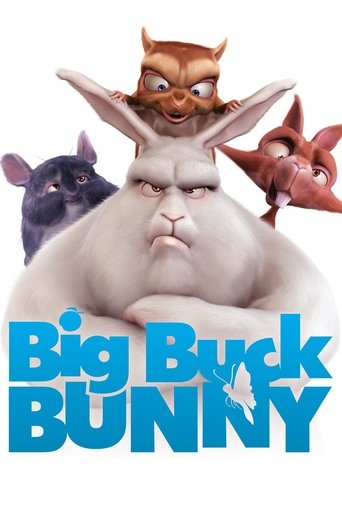
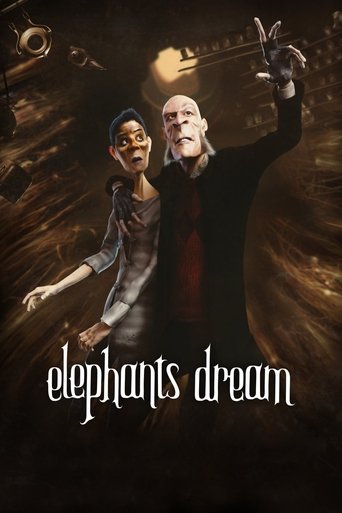
Sintel was the third open movie project by the Blender Foundation, following 'Elephants Dream' (2006) and 'Big Buck Bunny' (2008). The entire production was completed using Blender, the open-source 3D creation suite. The film was created with a small international team of artists and developers who worked together in Amsterdam for approximately 8 months. The project served to test and improve Blender's capabilities, particularly in character animation, fur and hair rendering, and visual effects. All production files, models, textures, and the final film were released under Creative Commons licenses.
Themes
Loss and griefThe passage of timeObsession and its consequencesFriendship and bondingTransformation and growth
Themes & topics
Historical background
By 2010, distribution was widening and Sintel reached audiences through the theatrical channels dominant before television.
Why this film matters
Reference works on 2010 cinema cite Sintel when tracing genre and regional production patterns.
Making of
Sintel was produced as part of the Blender Foundation's open movie project, designed to showcase and improve the capabilities of Blender software. The production team, led by director Colin Levy, set up a temporary studio in Amsterdam where artists from around the world collaborated. The project faced significant challenges in creating realistic character animation and fur rendering using open-source tools. The team developed new techniques for dragon scale animation and created custom tools within Blender for specific effects. The production was documented extensively through blog posts and video tutorials, making the entire creative process transparent and educational for the global Blender community. The film's emotional story was chosen specifically to test character animation capabilities, requiring the team to develop new approaches to facial expressions and body language in 3D animation.
What critics said
Trade papers near 2010 listed Sintel as program material rather than headline art cinema.
Did you know?
- The name 'Sintel' is Dutch for 'cinder' or 'ember', reflecting the character's fiery spirit and determination
- The film was created entirely with open-source software, primarily Blender, making it a landmark achievement in open-source animation
- All production assets, including character models, textures, and animation files, were made freely available to the public
- The dragon design evolved significantly during production, with the team creating multiple versions to achieve the perfect balance between intimidating and sympathetic
- The film's title character was voiced by Dutch actress Halina Reijn, who performed her lines in both Dutch and English versions
- The project employed artists from over 15 different countries, making it a truly international collaboration
- The film's score was composed by Jan Morgenstern and released under a Creative Commons license
- Sintel's appearance and fighting style were inspired by various martial arts films and video games
- The film's production blog received over 1 million visitors during the 8-month production period
- The Blender Foundation used lessons learned from Sintel to implement major improvements in Blender's particle systems and physics simulations
Awards & recognition
- Best Animation Award - 2010 Vancouver Film Festival
- Audience Award - 2010 Anima Mundi Animation Festival
- Best Short Film - 2011 Sapporo International Short Film Festival
- Jury Prize - 2011 Animafest Zagreb
Visual style
Sintel features dynamic camera work that enhances the emotional impact of the story, with sweeping aerial shots of landscapes and intimate close-ups during character moments. The film employs a cinematic color palette that shifts from warm, golden tones during happy moments to cool, blue hues during Sintel's lonely journey. The lighting design is particularly noteworthy, using natural-looking light to create depth and atmosphere in each scene. The animation team implemented advanced depth-of-field effects and motion blur to give the film a professional, cinematic quality. The camera movements during action sequences are carefully choreographed to maintain clarity while conveying the intensity of combat scenes, and the film uses visual storytelling effectively, with many moments conveyed through imagery rather than dialogue.
Innovations
Sintel represented significant technical advancements for Blender and open-source 3D animation. The film showcased major improvements in character animation tools, including better rigging systems and more intuitive animation workflows. The fur and hair simulation system was particularly groundbreaking, allowing for realistic dragon scales and character hair that moved naturally. The particle system was heavily utilized for environmental effects like falling leaves and atmospheric elements. The team developed new rendering techniques to achieve cinematic lighting and visual effects. The film also demonstrated advanced compositing capabilities, seamlessly integrating 3D elements with 2D effects. The project contributed directly to Blender 2.5 development, with many features implemented specifically for Sintel becoming standard tools in subsequent releases. The film's success proved that open-source software could compete with commercial alternatives in professional animation production.
Music
The musical score for Sintel was composed by Jan Morgenstern and released under a Creative Commons license, making it freely available for other projects. The soundtrack features a blend of orchestral and ethnic instruments, creating a sound that feels both epic and intimate. The main theme, which recurs throughout the film, is particularly memorable and effectively conveys the emotional journey of the characters. The music adapts to the changing moods of the story, from gentle and hopeful during Sintel and Scales' time together to tense and dramatic during the quest sequences. The sound design includes carefully crafted ambient sounds and creature effects that enhance the fantasy world. The entire soundtrack was made available for download, allowing fans and creators to use the music in their own projects, further extending the film's open-source philosophy.
Famous quotes
Sometimes the things we search for are right in front of us, but we're too blind to see them.
Time changes everything, even the things we thought would stay the same forever.
The greatest journeys often lead us back to where we started, but with new eyes.
Love can make us do things we never thought possible, both beautiful and terrible.
Memorable scenes
- The opening scene where Sintel discovers the wounded baby dragon and tenderly nurses it back to health
- The montage sequence showing Sintel and Scales growing closer and playing together, establishing their bond
- The dramatic moment when the adult dragon snatches Scales away, leaving Sintel devastated
- Sintel's training montage as she prepares for her quest, showing her determination and skill development
- The final confrontation scene where Sintel realizes the adult dragon is actually Scales, now grown
- The heartbreaking ending where Sintel walks away alone, having lost her friend to time
What audiences thought
Audiences responded enthusiastically to Sintel, with the film accumulating millions of views across various online platforms shortly after its release. Viewers particularly praised the emotional depth of the story and the quality of the animation, with many expressing surprise that it was created with free software. The film's tragic ending generated significant discussion and debate among viewers, with many considering it among the leading emotionally impactful animated shorts of 2010. The Blender community embraced the film as a showcase of their software's capabilities, while general audiences appreciated it as a standalone story regardless of its technical origins. The film's availability as a free download contributed to its wide reach and positive reception, with many viewers sharing it widely through social media and animation forums.
Film connections
Influenced by
- Studio Ghibli films (particularly Princess Mononoke)
- How to Train Your Dragon
- Crouching Tiger, Hidden Dragon
- The Girl Who Leapt Through Time
- Classic anime
- Hong Kong martial arts films
This film influenced
- Tears of Steel (2012, next Blender Foundation project)
- Cosmos Laundromat (2015, Blender Foundation)
- Various independent Blender animations
- Hero (2012 animated short)
- Spring (2013 animated short)
Film restoration
Sintel is fully preserved and actively maintained as part of the Blender Foundation's open movie archives. All source files, assets, and the final film are freely available and distributed under Creative Commons licenses. The film exists in multiple formats and resolutions, including 4K versions, and is hosted on numerous platforms ensuring its long-term accessibility. The Blender Foundation continues to maintain the project files and ensures compatibility with newer versions of Blender. The film's open-source nature means it cannot be lost or become unavailable, as it has been widely distributed and archived by countless individuals and organizations worldwide.
Where to watch
- Official Blender Foundation website (blender.org)
- YouTube (official Blender Foundation channel)
- Vimeo (official Blender Foundation page)
- Internet Archive
- Various educational platforms and animation archives
- Available for download in multiple formats from the Blender Foundation