

Susie, the Little Blue Coupe
"No ultimately spared"
Keys: Space play/pause · ←/→ 10s · F fullscreen · M mute · </> speed
About this film
From a brand new car in a showroom that draws every eye, to a discard in a second-hand lot and ultimately Skid Row, Susie's story has the highest of highs, and plummets to the lowest of lows... an automotive riches to rags story.
Cast & crew
More Animation films
View all →


More from Clyde Geronimi
View all →
More about this film
About the production
Release dateJune 6, 1952
ProductionWalt Disney Productions
Filmed inBurbank, California (Disney Studios)
This animated short was part of Disney's series of anthropomorphic vehicle stories, utilizing innovative animation techniques to give the car personality and emotion through its movements and expressions. The production team used real car references to create realistic animation of the vehicle's mechanics and aging process. The film employed a combination of traditional cel animation and special effects to create weathering and aging effects on Susie throughout her journey.
Themes
Aging and obsolescenceRedemption and restorationThe value of things beyond surface appearanceConsumer culture and disposabilityLoyalty and neglect
Themes & topics
automobileanthropomorphicrestorationagingredemptionabandonmentsecond chancesemotional journeytransformationvalue
Historical background
Made in its country of production around 1952, Susie, the Little Blue Coupe belongs to the 1950s. Its story of from a brand new car in a showroom that draws every eye, to a discard in a second-hand lot and ultimately skid row, susie's story has the highest of highs, and plummets to the lowest of lows spoke to audiences of the day through familiar genres and topical settings.
Why this film matters
Archivists and historians still cite Susie, the Little Blue Coupe when tracing how the 1950s filmmakers staged brand and showroom on screen.
Making of
The production of 'Susie, the Little Blue Coupe' represented Disney's continued experimentation with anthropomorphic storytelling during the early 1950s. The animation team, led by veteran Disney animators, faced the unique challenge of giving personality to an inanimate object without traditional facial features. They accomplished this through clever use of the car's headlights as eyes, the grille as a mouth, and expressive movements of the entire vehicle. The film's narrator, Sterling Holloway, recorded his voice work separately from the animation, with the animators timing Susie's movements to match his warm, storytelling delivery. The aging process was particularly challenging, requiring the artists to create a visual timeline of deterioration that would be both realistic and emotionally impactful. The restoration sequence was animated with meticulous attention to detail, showing actual mechanical processes that would be involved in refurbishing an old car.
What critics said
Reviews from 1952 weighed Susie, the Little Blue Coupe on pacing, performance, and novelty. Later criticism reads its emphasis on brand, showroom, draws through modern standards of craft and representation.
Did you know?
- This was one of the first Disney shorts to feature an automobile as the main character, predating Pixar's Cars by over 50 years.
- The film was originally released as part of a double feature with the live-action Disney film 'The Story of Robin Hood and His Merrie Men'.
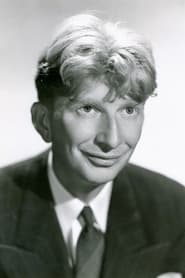
- Sterling Holloway, who provided the narration, was one of Disney's most beloved voice actors, also famous for voicing Winnie the Pooh and the Cheshire Cat.
- The animation team studied real cars in various states of repair to accurately depict Susie's aging process throughout the film.
- Director Clyde Geronimi also directed classic Disney features like 'Cinderella', 'Alice in Wonderland', and 'Sleeping Beauty'.
- The short was later included in the Disney anthology television series 'The Wonderful World of Disney'.
- Susie's design was based on a 1930s coupe, though the exact make and model were intentionally left ambiguous.
- The film's emotional storytelling approach influenced later Disney/Pixar films about inanimate objects with feelings.
- The restoration sequence at the end was considered groundbreaking for its time, showing detailed mechanical work in animation.
- The short was nominated for an Academy Award but lost to another Disney short, 'Toot, Whistle, Plunk and Boom'.
Visual style
The visual style of 'Susie, the Little Blue Coupe' employed innovative techniques to create depth and personality in the automotive character. The animators used dramatic lighting to highlight Susie's shiny newness in the beginning and her worn condition later in the story. Camera angles were carefully chosen to emphasize Susie's perspective, often positioning the viewer at car level to create empathy with the protagonist. The color palette evolved throughout the film, starting with vibrant blues and chrome highlights, gradually fading to muted, dusty tones, and finally returning to bright colors during the restoration sequence. The animation team pioneered techniques for showing mechanical movement and weathering effects that influenced later automotive animation.
Innovations
The short film showcased several technical innovations in animation, particularly in the depiction of mechanical movement and aging processes. Disney's animation team developed new techniques for showing realistic car movements, including suspension bounce, tire wear, and engine vibration. The weathering effects on Susie's body were groundbreaking, using multiple cel layers to gradually show rust, dents, and fading paint. The restoration sequence featured detailed mechanical animation that accurately depicted the process of car refurbishment, a level of technical detail rarely seen in animation of the era. The film also pioneered techniques in creating emotional expression through mechanical elements, using subtle movements of headlights, grille, and body panels to convey feelings.
Music
The musical score for 'Susie, the Little Blue Coupe' was composed by Paul J. Smith, a longtime Disney composer who created music for numerous classic shorts and features. The soundtrack features a whimsical, orchestral score that perfectly complements the emotional journey of the protagonist. The music adapts its style to match each phase of Susie's life - bright and optimistic during her new car days, melancholic during her decline, and triumphant during her restoration. Sterling Holloway's warm narration serves as the primary vocal element, with his distinctive voice providing the emotional anchor for the story. The sound design included carefully crafted automotive noises that helped bring the mechanical character to life.
Famous quotes
She was the prettiest little blue coupe in the whole showroom. Every eye was on her.
Time goes by, and even the prettiest things grow old.
But sometimes, when things seem at their worst, someone comes along who can see the beauty that's still there.
Memorable scenes
- The opening showroom scene where Susie gleams under the lights, captivating all potential buyers with her perfect blue finish and chrome details.
- The heartbreaking sequence showing Susie's gradual deterioration through multiple owners, with each scene adding more rust, dents, and neglect.
- The emotional moment when Susie sits abandoned on Skid Row, surrounded by other discarded vehicles, her headlights dim and sad.
- The triumphant restoration sequence where the young mechanic lovingly repairs Susie, bringing back her shine and spirit.
- The final scene showing Susie driving proudly down the road, restored and renewed, proving that true beauty never fades.
What audiences thought
Audiences in 1952 responded warmly to Susie's story, with many viewers reporting emotional connections to the little car's journey. The film's release in theaters as part of a double feature helped it reach a wide audience, and it became particularly popular with families. Over the decades, the short has maintained a devoted following among Disney enthusiasts and animation fans. When it appeared on television as part of 'The Wonderful World of Disney,' it introduced new generations to Susie's story. Modern viewers often express surprise at how emotionally invested they become in a car's journey, demonstrating the timeless effectiveness of the film's storytelling approach.
Film connections
Influenced by
- Disney's earlier anthropomorphic shorts like 'The Little House' (1952)
- Classic automotive culture of 1950s America
- The tradition of giving personality to inanimate objects in children's literature
This film influenced
- The Little House (1952) - Disney contemporary with similar themes
- The Brave Little Toaster (1987) - Similar journey of abandoned objects
- Cars (2006) - Pixar's feature-length take on automotive characters
- Toy Story (1995) - Anthropomorphic objects with emotional journeys
Film restoration
The film has been preserved by Disney in their archives and was digitally restored as part of the Disney Animation Collection series. The original negatives and elements are maintained in climate-controlled storage at the Disney Animation Research Library. The short has been included in several home video releases, ensuring its preservation for future generations.
Where to watch
- Disney+ streaming service
- Disney Treasures DVD collection 'Disney Animation Collection: Classic Short Films'
- Various Disney compilation releases on DVD and Blu-ray
- Occasionally airs on Disney's cable channels during special programming blocks