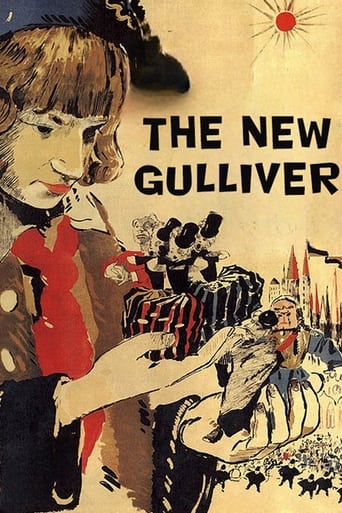
The Adventures of the Little Chinese
"Fine lesson geopolitics done."
Keys: Space play/pause · ←/→ 10s · F fullscreen · M mute · </> speed
About this film
Within the initiatory journey of two children lies a fine lesson in geopolitics done Soviet style. Apart from this political demonstration, the patched-up puppets stroll through the décor with incomparable poetry. This masterpiece is a treasure trove of creative invention carried by an attention to detail and a quest for perfection.
Cast & crew
More films like this

More Animation films
View all →


More about this film
About the production
Release date1928
ProductionGoskino, Sovkino
Filmed inMoscow, Soviet Union
Created during the early period of Soviet animation when the industry was experimenting with various techniques including puppet animation. The film was produced using stop-motion puppet animation, a technique that was relatively new and innovative in Soviet cinema at the time. The production likely faced significant technical challenges given the limited equipment and resources available to Soviet animators in the 1920s. The political nature of the content suggests it was commissioned as part of the Soviet state's cultural propaganda efforts.
Themes
GeopoliticsSoviet ideologyInternational relationsChildhood innocencePolitical education
Themes & topics
Historical background
The 1928 premiere of The Adventures of the Little Chinese belongs to the broader shift toward narrative features and recognizable genres.
Why this film matters
Reference works on 1928 cinema cite The Adventures of the Little Chinese when tracing genre habits and studio economics.
Making of
The production of this film took place during a transformative period in Soviet cinema when the state was heavily investing in animation as a tool for political education. Mariya Benderskaya, working within the state-sponsored film industry, would have had to navigate strict ideological requirements while attempting to create artistic work. The puppet animation technique required meticulous frame-by-frame photography, with each movement of the handcrafted puppets carefully orchestrated. The political content would have been reviewed and approved by state cultural authorities, ensuring the film aligned with Soviet foreign policy perspectives. The production team likely included skilled craftsmen who created the detailed puppet characters and sets, as well as technicians who operated the primitive animation equipment available in Soviet studios during the 1920s.
What critics said
Specialist writers today emphasize preservation and access when a viewable copy of The Adventures of the Little Chinese survives.
Did you know?
- This film represents one of the earliest examples of Soviet political animation using puppet techniques
- Director Mariya Benderskaya was one of the few female directors in the early Soviet film industry
- The film was created during the first Five-Year Plan period when Soviet cinema was heavily state-controlled
- Puppet animation was chosen as the medium to create a more accessible and charming delivery of political messages
- The geopolitical themes reflect the Soviet Union's growing interest in Asia and China during the late 1920s
- The 'patched-up' aesthetic of the puppets may have been intentional to represent resourcefulness and Soviet ideals
- Like many Soviet films of this era, it was likely screened with live musical accompaniment in theaters
- The film survives today as an important artifact of early Soviet animation and propaganda techniques
Visual style
The film utilized stop-motion puppet animation techniques that were innovative for Soviet cinema in 1928. The cinematography would have involved careful frame-by-frame photography of meticulously crafted puppet characters moving through detailed miniature sets. The visual style emphasized the contrast between the 'patched-up' aesthetic of the puppets and the carefully constructed environments they inhabited. The camera work would have been static or limited in movement due to technical constraints of the period, but the composition of each frame would have been carefully considered to maximize both narrative clarity and visual poetry. The lighting design would have played a crucial role in creating atmosphere and highlighting the three-dimensional quality of the puppet animation.
Innovations
The film represents an early achievement in Soviet puppet animation, demonstrating the technical capabilities of Soviet studios in the late 1920s. The creation and manipulation of detailed puppet characters for frame-by-frame animation required considerable technical skill and patience. The production team developed innovative solutions for achieving smooth movement and expression in their puppet characters despite limited equipment and resources. The film's sets and props showcased sophisticated miniature construction techniques that were still being developed in animation studios worldwide. The ability to convey complex political narratives through the limited medium of silent puppet animation demonstrates significant technical and artistic achievement in early Soviet cinema.
Memorable scenes
- The opening sequence introducing the two Chinese puppet children, showcasing the detailed craftsmanship and 'patched-up' aesthetic that gives the film its distinctive visual character
What audiences thought
Soviet audiences in 1928 would have viewed this film in the context of widespread political education and state-sponsored entertainment. The charming puppet characters and poetic visuals would have made the political content more palatable and engaging for viewers of all ages. Children particularly would have been drawn to the adventure story while absorbing the underlying political messages. The film's use of familiar fairy tale and adventure tropes would have helped audiences connect with the more complex geopolitical themes. Given the limited entertainment options in the Soviet Union at the time and the novelty of animation, such films were likely well-received as both educational and entertaining content.
Film connections
Influenced by
- Early Soviet propaganda films
- European puppet animation traditions
- Political fairy tales
- Soviet educational cinema
This film influenced
- Later Soviet political animations
- Cold War era propaganda cartoons
- Educational children's programming with political content
Film restoration
The preservation status of this specific 1928 Soviet animated film is unclear, as many early Soviet animations have been lost or exist only in fragmentary form. Given its historical significance as an early example of Soviet puppet animation, it would be a priority for film archives if surviving elements exist. The film may be preserved in Russian state archives such as Gosfilmofond, though access might be limited. Some early Soviet animations have been restored and digitized in recent years, but the specific condition and availability of this particular title would require verification from specialized film archives.
Where to watch
- This extremely rare 1928 Soviet animated film is likely only accessible through specialized film archives, cinema research institutions, or occasional screenings at classic film festivals. It may be available in the collections of major film archives such as Gosfilmofond in Russia or through academic cinema studies programs. Some specialized streaming services focusing on classic or archival films might occasionally include such rare Soviet animations in their collections, particularly those specializing in animation history or Soviet cinema.