The Artist's Dilemma
"Clockwork models and studio mischief"
Keys: Space play/pause · ←/→ 10s · F fullscreen · M mute · </> speed
About this film
A sleeping artist is awakened when a clock opens and a model steps out to demand her portrait. A clown emerges from the same clock to sabotage the sitting in this 1901 trick film.
Cast & crew
More films like this
More Fantasy films
View all →

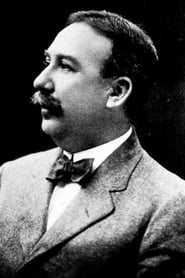
More from Edwin S. Porter
View all →


More about this film
About the production
Release dateNovember 1901
Box officeNot documented - box office tracking was not standard practice in 1901
ProductionEdison Manufacturing Company
Filmed inEdison Studios, Bronx, New York
the release was produced during the early days of cinema when special effects were created through in-camera techniques and clever editing. The magical elements were achieved through stop-motion and multiple exposure techniques, which were quite innovative for 1901. The film was shot on 35mm film and likely ran for approximately 2-3 minutes at 16 frames per second, the standard speed of the era.
Themes
Dreams vs. RealityArt coming to lifeMagic and transformationArtistic creationComedy and fantasy
Themes & topics
Historical background
Released in 1901, The Artist's Dilemma belongs to cinema's first decade and reflects production norms of its release season.
Why this film matters
The Artist's Dilemma contributes to understanding regional output and audience tastes around 1901.
Making of
The film was created during a period of rapid innovation in cinema, with Edwin S. Porter experimenting with narrative techniques and special effects. The production would have used primitive but effective special effects, likely including multiple exposure photography to create the illusion of the painted figure coming to life. The clock mechanism would have been a practical prop designed to open dramatically for the camera. Porter, who had previously worked as a projectionist and cameraman, was particularly skilled at creating visual effects that amazed audiences of the time. The cast would have been drawn from local stage actors and vaudeville performers, as dedicated film actors did not yet exist.
What critics said
Review records for The Artist's Dilemma are typical of 1901: brief for shorts, more sustained for features.
Did you know?
- the release represents one of the earliest examples of dream sequences in cinema, predating many more famous dream sequences by decades.
- The clock that opens to reveal characters is a direct homage to Georges Méliès' style of magical transformation scenes.
- Edwin S. Porter would later direct 'The Great Train Robbery' (1903), which is often cited as the first Western film and a cornerstone of American cinema.
- The film was produced during a period when the Edison Manufacturing Company was competing fiercely with other early film producers, particularly the American Mutoscope and Biograph Company.
- The use of a clown character was common in early films as they were familiar figures from vaudeville and circus entertainment.
- the release features early special effects techniques including multiple exposure and stop-motion photography.
- The film was likely distributed as part of a program of short films shown in vaudeville theaters and early nickelodeons.
- Edison Studios, where this was filmed, was one of the first motion picture production studios in the world.
- The film's fantasy elements reflect the influence of stage magic and theatrical special effects on early cinema.
- The painting coming to life trope would become a recurring motif in fantasy films throughout cinema history.
Visual style
The cinematography was typical of the period, using a stationary camera positioned to capture the entire scene in a single wide shot. The film was shot in black and white on 35mm film stock at approximately 16 frames per second. Lighting would have been natural or artificial studio lighting designed to illuminate the entire scene evenly. The special effects were created through in-camera techniques rather than post-production, including multiple exposure photography for the magical transformations and careful editing to create the illusion of movement between the real and painted worlds.
Innovations
The film demonstrated several technical innovations for its time, including the use of multiple exposure photography to create magical effects. The transformation of the painted image into a living figure required careful planning and execution of special effects techniques that were still being developed. The clock mechanism that opens to reveal characters represents an early example of practical effects in cinema. The film also features early understanding of continuity editing and narrative pacing, with scenes arranged to tell a coherent story despite the technical limitations of the era.
Music
As a silent film, 'The Artist's Dilemma' would have been accompanied by live music during exhibition. The musical accompaniment would typically have been provided by a pianist or small orchestra in the theater, playing popular tunes of the era or classical pieces appropriate to the mood of each scene. No original score was composed for the film, as was standard practice for productions of this period.
Famous quotes
No dialogue exists as this is a silent film
Memorable scenes
- The magical opening of the clock to reveal the young lady
- The painted figure stepping down from the canvas to dance with her real counterpart
- The clown's magical painting using a whitewash brush
- The merging of the two female figures into one
- The artist's sudden awakening from his dream
What audiences thought
Early audiences in 1901 would have been amazed by the film's magical effects, particularly the scene where the painted figure comes to life. The fantasy elements and visual tricks were exactly the kind of spectacular content that drew crowds to early motion picture shows. The film's relatively simple narrative and visual gags would have been easily understood by audiences of diverse backgrounds and literacy levels. The combination of familiar elements (an artist's studio, a clown) with magical transformations would have provided the perfect blend of the recognizable and the fantastical that characterized popular early films.
Film connections
Influenced by
- Georges Méliès' fantasy films
- Stage magic traditions
- Vaudeville comedy
- Surrealist art movements
- Literary dream sequences
This film influenced
- Later fantasy films with art coming to life themes
- Dream sequence films
- Early American narrative cinema
- Special effects-driven films
Film restoration
The preservation status of 'The Artist's Dilemma' is uncertain. Many Edison films from this period have been lost due to the unstable nitrate film stock used in early cinema. However, some Edison productions have survived through archives and private collections. The film may exist in film archives such as the Library of Congress, the Museum of Modern Art, or the George Eastman Museum, but its current preservation status would need to be verified with these institutions.
Where to watch
- If preserved, the film might be available through film archives like the Library of Congress
- Potential inclusion in early cinema collections on streaming platforms
- Academic film libraries and university collections
- Specialized early cinema DVD compilations
- Museum screenings of early Edison films