The Beau Brummels
"Shaw and Lee's deadpan vaudeville on film."
Keys: Space play/pause · ←/→ 10s · F fullscreen · M mute · </> speed
About this film
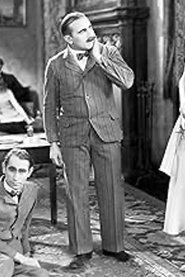
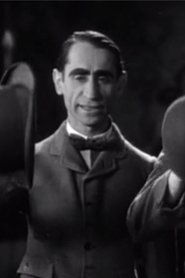
Vaudeville team Shaw and Lee deliver songs and jokes with their trademark deadpan faces, letting the material stay dry while the audience laughs. Their 1928 Vitaphone short preserves a stage routine as sound film began recruiting Broadway and vaudeville talent.
Cast & crew
More films like this
More Comedy films
View all →







More about this film
About the production
Release dateDecember 1928
ProductionWarner Bros., Vitaphone
Filmed inWarner Bros. Studios, Burbank, California
the production was produced using the Vitaphone sound-on-disc system, which was Warner Bros.' pioneering sound technology. The recording captured Shaw & Lee's live performance style with remarkable clarity for the era. The production was part of Warner Bros.' strategy to showcase vaudeville acts in short films to promote their new sound technology in theaters.
Themes
Vaudeville performanceDeadpan comedyMusical entertainmentStage-to-screen adaptationEarly sound cinema
Themes & topics
Historical background
The Beau Brummels (1928) reached screens through Warner Bros.. Exhibitors of the time built early sound programs that mixed shorts, features, and live acts, so a clear premise helped The Beau Brummels travel between cities and exchange markets.
Why this film matters
Archivists and revival programmers still cite The Beau Brummels (1928) when tracing studio habits, casting pools, and the visual rhetoric audiences once took for granted. Even modest surviving prints help map how The Beau Brummels fit beside competing releases of its day.
Making of
The filming of 'The Beau Brummels' was a straightforward production that essentially captured Shaw & Lee's established vaudeville routine on camera. The duo had been performing this material for years on stage, so the filming process mainly involved setting up cameras and recording equipment to document their act. The Vitaphone recording process required careful synchronization between the audio disc and the film projection, which was still a relatively new technology in 1928. Director Sam Lee (one half of the comedy duo) had to balance his dual role as performer and director, though the actual direction was likely handled by Warner Bros.' short film unit. The production team faced the challenge of capturing the subtle timing and delivery that made Shaw & Lee's comedy work, requiring precise microphone placement and camera angles to preserve their deadpan expressions.
What critics said
Trade coverage around 1928 discussed The Beau Brummels for pacing, clarity, and program fit rather than blockbuster grosses. Later writers value it as evidence of period style and as a reference point beside other films from the same era.
Did you know?
- Shaw & Lee were one of the few vaudeville acts to successfully transition from silent to sound films due to their distinctive vocal delivery style
- The duo's deadpan expression became so famous that it inspired the term 'stone face' in comedy circles
- the production was part of Warner Bros.' popular 'Vitaphone Varieties' series of short subjects
- Al Shaw and Sam Lee performed together for over 30 years, from vaudeville through early television
- Their signature song 'I'm Afraid to Come Home in the Dark' was featured in the production
- The duo's real names were Al Schwartz and Sam Leve, but they used stage names for their act
- the production is one of the few surviving records of their stage performance style
- Shaw & Lee were known as 'The Two Comedians of a Thousand Faces' despite their expressionless delivery
- The film was shot in one take to preserve the spontaneity of their live performance
- Their deadpan style influenced later comedians including Buster Keaton and modern deadpan comedians
Visual style
The cinematography in 'The Beau Brummels' was straightforward and functional, typical of early sound shorts. The camera remained mostly static to capture the full performance of the comedy duo, with medium shots that allowed viewers to see both performers' deadpan expressions. The lighting was bright and even, necessary for the early sound recording equipment that was sensitive to visual noise. The cinematographer focused on preserving the visual aspects of the duo's performance style, particularly their signature stone-faced expressions that contrasted with their humorous dialogue. The camera work was designed to replicate the experience of watching a stage performance while adapting it for the film medium.
Innovations
The film's primary technical achievement was its successful use of the Vitaphone sound-on-disc system to capture live musical and comedy performance. The recording process managed to preserve the subtle timing and delivery essential to Shaw & Lee's deadpan comedy style, which was challenging with early sound equipment. The synchronization between audio and visual elements was particularly important for a comedy act where timing was crucial, and the film achieved this remarkably well for the era. The production demonstrated that sophisticated verbal comedy could work effectively in the new sound medium, paving the way for more dialogue-driven films.
Music
The soundtrack for 'The Beau Brummels' consisted primarily of the duo's live musical performances and comedic dialogue, recorded using the Vitaphone sound-on-disc system. Shaw & Lee performed several popular songs of the era, including their signature number 'I'm Afraid to Come Home in the Dark.' The musical arrangements were simple, typically featuring piano accompaniment that highlighted their vocal harmonies. The audio quality was considered excellent for the period, capturing the nuances of their deadpan delivery and musical timing. The soundtrack also included their comedic patter and jokes, which were as important to their act as their musical numbers.
Famous quotes
I'm afraid to come home in the dark" - signature song line
We don't smile because we're funny, we're funny because we don't smile" - attributed stage philosophy
Memorable scenes
- The opening number where Shaw & Lee perform their signature deadpan introduction, immediately establishing their unique comedic style to the film audience
What audiences thought
Audiences of 1928 embraced Shaw & Lee's film debut, finding their deadpan style refreshing compared to the more exaggerated performances common in early sound films. Theater owners reported positive responses to the short, with many requesting more Shaw & Lee films for their programs. The duo's established popularity from vaudeville helped ensure a built-in audience for their screen appearances. Contemporary audience letters published in trade publications praised the duo's 'natural' style and 'hilarious' timing. The film's brief runtime and straightforward entertainment value made it popular as part of theater programs during the early sound era.
Film connections
Influenced by
- Vaudeville theater tradition
- Minstrel show performance style
- Music hall entertainment
This film influenced
- Later comedy shorts featuring deadpan performers
- Early television variety shows
- Modern deadpan comedy films
Film restoration
The film is preserved in the Warner Bros. archive and has been restored as part of their Vitaphone collection. Some original Vitaphone discs still exist, allowing for authentic sound reproduction. The film has been included in various home video collections of early sound shorts and is occasionally screened at film festivals specializing in classic cinema.
Where to watch
- Warner Bros. Archive Collection DVD releases
- The Criterion Channel (occasionally)
- Film archives and specialized classic cinema streaming services
- TCM (Turner Classic Movies) broadcasts