
The Dream of an Opium Fiend
"opium fiend is seen in a den, puffing on this"
Keys: Space play/pause · ←/→ 10s · F fullscreen · M mute · </> speed
About this film
The opium fiend is seen in a den, puffing on this terrible narcotic. He then falls fast asleep and dreams that he is at home with his wife. He asks for something to drink and he is given wine, which he does not care for, and he is finally given some bottled beer and a glass, but he complains that the glass is too small and he gets a very large sized glass receptacle, into which his wife and maid servant pour the contents of the bottle. As he is about to drink the glass passes from his hand mysteriously, sailing through the room and out of the window to the moon….
Cast & crew
More films like this
More Fantasy films
View all →

More from Georges Méliès
View all →
More about this film
About the production
Release date1908
Box officeBox office records from 1908 are not available for individual short films
ProductionStar Film Company
Filmed inGeorges Méliès's studio in Montreuil, France
The picture was shot entirely in Méliès's glass studio using his patented special effects techniques, including multiple exposure, substitution splices, and careful set construction. The floating glass effect was achieved through wires and careful manipulation, while the moon sequence used painted backdrops and theatrical lighting. Méliès himself often appeared in his films, though it's not confirmed if he plays the opium fiend in this production.
Themes
Dreams and realityDrug-induced hallucinationDomestic lifeSurrealismMagical transformation
Themes & topics
opiumdreamhallucinationmagicfloating objectsmoondomestic scenespecial effectsfantasysurreal
Historical background
Star Film Company's 1908 release of The Dream of an Opium Fiend fit contemporary France programs that mixed fiction, news, and novelty subjects for repeat weekly attendance.
Why this film matters
Programmers and historians revisit The Dream of an Opium Fiend (1908) because its story—the opium fiend is seen in a den, puffing on this terrible narcotic—illustrates popular narrative habits and production norms of the period.
Making of
Georges Méliès, a former magician and theater owner, applied his theatrical knowledge to create this fantastical dream sequence. The production utilized his studio's elaborate sets and painted backdrops to create the contrast between the grim opium den and the domestic dream setting. The special effects were achieved through in-camera techniques Méliès had perfected, including multiple exposure for the floating glass and careful editing for the magical transitions. The actors, likely drawn from Méliès's regular troupe of performers, would have rehearsed extensively to coordinate the precise timing needed for the substitution splices. the picture's surreal imagery reflects Méliès's fascination with the unconscious mind and the possibilities of cinema to visualize dreams and hallucinations.
What critics said
English-language trade reviews of The Dream of an Opium Fiend are limited for 1908. Where notices survive, they stress pacing and photographic clarity; later criticism values the title as archival evidence of studio style.
Did you know?
- was released during the height of Méliès's creative period, when he was producing dozens of short films annually
- the picture is also known by its French title 'Le Rêve d'un fumeur d'opium'
- Opium was a common theme in early cinema, often used as a plot device to justify surreal dream sequences
- The Star Film Company catalog listed as number 1246-1249 in their production sequence
- Méliès's studio contained a glass roof that allowed for natural lighting, which he used to create the ethereal atmosphere in his fantasy films
- the picture was hand-colored in some releases, a common practice for Méliès's more important productions
- This was one of Méliès's later works, created after his most famous period but still demonstrating his mastery of cinematic illusion
- The floating glass effect predates similar techniques used in later surrealist films by several decades
- Opium dens were exotic and mysterious subjects for Western audiences in the early 1900s, making them popular settings for films
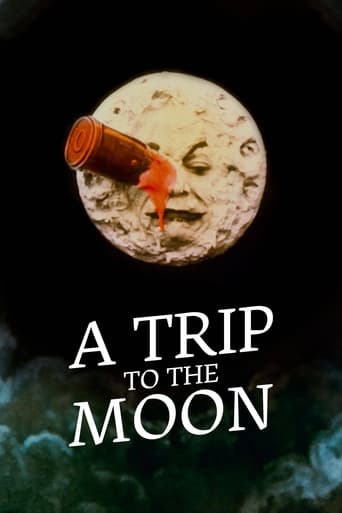
- The moon in the picture may reference Méliès's most famous work 'A Trip to the Moon' (1902)
Visual style
The cinematography follows Méliès's characteristic style, featuring static camera positions typical of early cinema but enhanced by elaborate sets and careful composition. The visual contrast between the dark, atmospheric opium den and the bright domestic dream setting creates a clear narrative distinction. The floating glass sequence demonstrates Méliès's mastery of special effects photography, using wires and careful editing to create the illusion of objects defying gravity. The moon sequence utilizes painted backdrops and theatrical lighting techniques borrowed from Méliès's stage experience. the picture's visual language emphasizes theatricality over realism, with exaggerated gestures and clearly defined spatial relationships that enhance the dreamlike quality of the narrative.
Innovations
the picture several of Méliès's pioneering special effects techniques, including multiple exposure for the floating glass effect, substitution splices for magical transitions, and elaborate set construction. The use of wires to create the illusion of objects flying through space was particularly innovative for its time. Méliès's glass studio allowed for controlled lighting conditions essential for these complex effects. the picture also demonstrates sophisticated editing techniques for the period, with carefully timed cuts between reality and dream sequences. The painted backdrops and miniatures used for the moon sequence represent early examples of matte painting techniques in cinema.
Music
As a silent film, 'The Dream of an Opium Fiend' would have been accompanied by live music during its original screenings. The typical accompaniment might have included piano or organ music, with the style varying from theater to theater. Some venues may have used compiled classical pieces, while others might have had improvised accompaniment. The music would have been designed to enhance the picture's mood shifts, from the mysterious atmosphere of the opium den to the whimsical nature of the dream sequence. No original score or specific musical cues are known to exist for, as was common for productions of this era.
Famous quotes
No recorded dialogue exists for this silent film
Memorable scenes
- The opening sequence in the opium den with atmospheric lighting
- The moment when the glass mysteriously detaches from the character's hand
- The glass floating through the room and out the window
- The surreal moon sequence with the glass flying toward it
- The contrast between the grim opium den and the bright domestic dream setting
What audiences thought
Early 1900s audiences were fascinated by Méliès's magical films, which offered visual spectacles unlike anything they had seen before. The dream sequences and impossible effects would have been particularly entertaining to viewers still discovering the possibilities of cinema. The exotic setting of an opium den added an element of mystery and danger that appealed to contemporary audiences. While specific reception records for are not available, Méliès's fantasy films generally performed well in both French and international markets. the picture's short length and visual spectacle made it ideal for the variety-style programming common in early cinemas.
Film connections
Influenced by
- Stage magic and theatrical illusion
- Victorian literature about opium use
- Early psychological theories about dreams
- Theatrical traditions of fantasy and spectacle
This film influenced
- Later surrealist films of the 1920s
- Fantasy films exploring dream sequences
- Horror films using drug-induced hallucinations
- Music videos with surreal imagery
Film restoration
the picture is preserved in various film archives, including the Cinémathèque Française and other collections. Some versions exist in black and white, while others show evidence of hand-coloring. the picture has been restored and included in DVD collections of Méliès's work. While not considered lost, like many of Méliès's films, some copies may be incomplete or in poor condition due to the age and fragility of early film stock.
Where to watch
- the picture is available on various DVD collections of Georges Méliès's work
- It can be found on streaming platforms specializing in classic cinema
- Some film archives and museums occasionally screen it in retrospectives
- Public domain versions may be available on internet archives
- It is included in the Criterion Collection's 'Georges Méliès: First Wizard of Cinema' box set