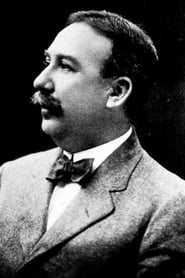
The Ex-Convict
"The Ex-Convict (1904)"
Keys: Space play/pause · ←/→ 10s · F fullscreen · M mute · </> speed
About this film
A recently-released convict attempts to do right but struggles to support his wife and ailing daughter.
Cast & crew
More films like this
More Drama films
View all →







More from Edwin S. Porter
View all →


More about this film
About the production
Release dateOctober 1904
ProductionEdison Manufacturing Company
Filmed inNew York, New York
The Ex-Convict was produced during the height of the Edison Manufacturing Company's dominance in American cinema. Edwin S. Porter, who was the company's leading director, created this social drama as part of Edison's efforts to produce more sophisticated narrative films. The film was shot on the company's rooftop studio in New York City and on location in the city's streets. Like many films of this era, it was likely shot in a single day with minimal sets and natural lighting. The production utilized the limited camera techniques available in 1904, primarily static shots with basic editing cuts between scenes.
Themes
Redemption and second chancesSocial prejudice and discriminationPoverty and economic hardshipFamily bonds and parental sacrificeMoral dilemma and ethical choice
Themes & topics
ex-convictrehabilitationfamilypovertyillnessdesperationmoral choicesocial prejudiceredemptionstrugglefatherhoodurban life
Historical background
Made in 1904, The Ex-Convict reflects production norms of the earliest years of projected motion pictures—shorter runtimes, regional audiences, and limited preservation infrastructure.
Why this film matters
Historians reference The Ex-Convict (1904) when discussing 1904 film by Edwin S. Porter.
Making of
The Ex-Convict was created during a pivotal period in cinema history when filmmakers were transitioning from simple actualities and trick films to more complex narrative storytelling. Edwin S. Porter, working for the Edison Manufacturing Company, was at the forefront of this evolution. The film was likely shot on Edison's rooftop studio in New York City, which allowed for natural lighting and controlled conditions. The production process was rudimentary by modern standards - actors performed in broad, theatrical style suitable for the silent medium, and scenes were typically shot in long takes with minimal camera movement. The film's social message was considered bold for its time, as early cinema often avoided controversial themes. Porter's approach to storytelling, using editing to create emotional impact and narrative continuity, was innovative for 1904. The cast consisted of stage actors who were transitioning to the new medium of film, and their performances reflect the theatrical conventions of the period.
What critics said
Modern write-ups on The Ex-Convict (1904) tend to focus on preservation status, stylistic choices, and placement within director or studio filmographies.
Did you know?
- The Ex-Convict is considered one of the earliest examples of social problem films in American cinema, addressing themes of rehabilitation and social prejudice.
- Director Edwin S. Porter was also the cinematographer for this film, as was common in early cinema where individuals often wore multiple hats.
- The film was released during the peak of the nickelodeon era when short films were the primary form of entertainment for working-class audiences.
- Edison Manufacturing Company, the producer, was one of the first film studios in America and was founded by inventor Thomas Edison.
- The film's themes were particularly relevant in 1904, a time when prison reform and rehabilitation were becoming important social issues in Progressive Era America.
- Like many early films, The Ex-Convict was likely accompanied by live music during its theatrical showings, with pianists or small orchestras providing appropriate mood music.
- The film's eight-minute runtime was actually considered substantial for its time, when most films were only 1-3 minutes long.
- Porter would later direct the groundbreaking film 'The Great Train Robbery' (1903), which established many conventions of the Western genre.
- The Ex-Convict was distributed through the Edison Film Exchange, which controlled a significant portion of the early American film market.
- The film's focus on moral redemption and family values reflected the Victorian-era sensibilities still prevalent in early 20th century American culture.
Visual style
The cinematography in The Ex-Convict reflects the technical limitations and aesthetic conventions of 1904. The film was shot using hand-cranked cameras that produced approximately 16 frames per second, creating the characteristic flickering motion of early cinema. The camera work primarily consists of static, wide shots that capture entire scenes in a single frame, as camera movement was technically difficult and rarely used in this period. The lighting relied heavily on natural light from the Edison studio's glass roof, creating high contrast images typical of early films. The composition followed theatrical conventions, with actors arranged in tableaux-like formations that emphasized the narrative action. Porter's use of editing was innovative for its time, employing cuts between scenes to advance the narrative and create emotional impact. The film's visual style, while primitive by modern standards, demonstrated the emerging language of cinema and Porter's skill in using visual storytelling to convey complex emotions and moral themes.
Innovations
The Ex-Convict demonstrated several technical achievements that were significant for 1904. Edwin S. Porter's use of continuity editing to create a coherent narrative was innovative for its time, helping establish the basic language of cinematic storytelling. The film's eight-minute runtime was substantial for the period, requiring more complex narrative structure than the typical one- or two-minute films of the era. Porter's ability to convey complex emotional themes through visual storytelling without intertitles demonstrated the emerging potential of cinema as a narrative medium. The film's production quality benefited from the Edison Manufacturing Company's advanced equipment and facilities, including their glass-roofed studio that provided superior lighting conditions. The film also represents an early example of location shooting, with some scenes filmed on New York City streets, adding realism to the urban setting. These technical and artistic achievements contributed to the development of narrative cinema and demonstrated the medium's potential for addressing serious social themes.
Music
As a silent film, The Ex-Convict did not have an original soundtrack or score. During its initial theatrical run, the film was accompanied by live music provided by theater pianists or small ensembles. The musical accompaniment was typically improvised, with musicians selecting appropriate pieces to match the mood of each scene. Emotional scenes, such as those involving the sick daughter, would have been accompanied by sentimental popular songs or classical pieces, while tense moments might have featured dramatic, rhythmic music. The specific musical selections would have varied by theater and performer, as no standardized scores existed for films of this era. Some larger nickelodeons might have employed small orchestras to provide more elaborate accompaniment. The live musical element was an integral part of the early cinema experience, helping to convey emotion and enhance the narrative impact of silent films like The Ex-Convict.
Famous quotes
A man's past should not condemn his future.
In the struggle between hunger and honesty, desperation often wins.
Society builds prisons but forgets to build bridges back to humanity.
Memorable scenes
- The emotional climax where the ex-convict must choose between stealing medicine for his daughter or maintaining his hard-won honesty, a scene that powerfully conveys the moral dilemma faced by the working poor in early 20th century America.
What audiences thought
The Ex-Convict was well-received by nickelodeon audiences in 1904, who appreciated its emotional story and moral message. Working-class viewers, who made up the primary audience for early films, likely related to the film's themes of economic struggle and the search for redemption. The film's serious tone distinguished it from the comedies and trick films that dominated early cinema programming, offering audiences a more substantive viewing experience. Audience reactions were probably expressed through the era's common practice of vocal responses during screenings, with viewers likely expressing sympathy for the protagonist's plight. The film's success helped demonstrate that audiences would respond positively to more serious, socially relevant content, encouraging other filmmakers to explore similar themes. The emotional impact of the story, particularly its focus on family and the welfare of a sick child, would have resonated strongly with early 20th century audiences who valued Victorian-era ideals of domesticity and moral virtue.
Film connections
Influenced by
- Stage melodramas of the late 19th century
- Social reform literature of the Progressive Era
- Victorian moral tales
- Contemporary newspaper stories about prison reform
- Earlier Edison films with moral themes
- European narrative films of the early 1900s
This film influenced
- Later social problem films of the 1910s
- D.W. Griffith's social dramas
- Urban crime films of the 1920s
- Prison films of the 1930s
- Socially conscious films of the New Deal era
Film restoration
The Ex-Convict is preserved in the film archives of the Museum of Modern Art in New York. The film has survived in relatively good condition for its age, allowing modern audiences to study this important early work. A restored version has been made available through various film preservation initiatives, ensuring that this significant example of early American social cinema remains accessible to scholars and the public. The preservation of this film is particularly valuable as it represents an early example of narrative cinema addressing social themes, a genre that would become increasingly important in American film history.
Where to watch
- The film is available in the public domain and can be viewed on various internet archive websites
- Some educational film collections and university libraries hold copies for academic viewing
- The Museum of Modern Art's film archive occasionally includes it in early cinema retrospectives
- Specialized classic film streaming services that focus on early cinema may feature this title