
The First Circus
"Stone Age circus on cel"
Keys: Space play/pause · ←/→ 10s · F fullscreen · M mute · </> speed
About this film
This early animated short depicts a Stone Age-era circus.
Cast & crew
More films like this
More Animation films
View all →


More from Tony Sarg
View all →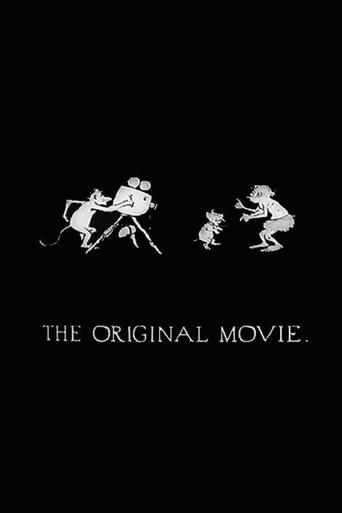
More about this film
About the production
Release date1921
ProductionTony Sarg Studio
Filmed inNew York, New York
Created using Tony Sarg's innovative puppet animation techniques, which involved articulated figures and stop-motion photography. The film was part of Sarg's early work in animation before he became more famous for his puppet theater and Macy's Thanksgiving Day Parade balloons. The production process was extremely labor-intensive, requiring each puppet to be moved slightly for every frame of animation.
Themes
Themes & topics
Historical background
By 1921, The First Circus had entered distribution via Tony Sarg Studio, reflecting standard practice for its budget tier.
Why this film matters
Specialists compare The First Circus with contemporaries to trace how 1921 cinema handled this early animated short depicts a stone age-era circus.
Making of
Tony Sarg created this film during the early days of animation when the medium was still experimental. Using his expertise as a master puppeteer, Sarg adapted his three-dimensional puppet techniques to the two-dimensional world of cinema. The production involved creating articulated figures that could be moved frame by frame, a laborious process that required patience and precision. Sarg's studio in New York served as both his puppet theater and animation workshop, where he and his small team would painstakingly photograph each movement. The Stone Age concept allowed for creative freedom in character design, as the prehistoric setting gave license for imaginative creature designs and scenarios. Sarg's approach to animation was unique in that he brought the physical craft of puppetry directly into the emerging art form of animation.
What critics said
Modern notes on The First Circus focus on its this early animated short depicts a stone age-era circus rather than any original 1921 sensation.
Did you know?
- Tony Sarg was primarily known as a puppeteer and marionette artist before venturing into animation
- Sarg would later become famous for designing the first balloons for the Macy's Thanksgiving Day Parade in 1927
- The film represents an early example of stop-motion animation using articulated puppets
- Sarg's animation studio was one of the early independent animation studios in America
- The Stone Age theme was a popular subject in early comedy films of the era
- This film is considered part of the very early history of American animation
- Sarg's background in puppetry heavily influenced his animation style
- The film was created during the silent era, so it would have been accompanied by live music
- Tony Sarg was born in Guatemala and later became a naturalized American citizen
- His animation work preceded more famous pioneers like Walt Disney by several years
- Sarg's puppets were known for their sophisticated joint mechanisms
- The film was likely distributed through the states rights system common for independent shorts
Visual style
The film utilized early stop-motion photography techniques, with each frame carefully composed to capture the subtle movements of the articulated puppets. The black and white photography of the era emphasized the three-dimensional quality of the puppet figures. Camera work was likely static, as was common in early animation, focusing attention on the animated characters and their movements. The lighting would have been carefully arranged to create depth and shadow, enhancing the puppet-like quality of the figures. The cinematography prioritized clarity over artistic flourishes, ensuring that the puppet movements were clearly visible to audiences unfamiliar with this type of animation.
Innovations
The film represents early experimentation with three-dimensional puppet animation, predating more famous examples like Willis O'Brien's work. Sarg's technique involved creating articulated figures with movable joints that could be positioned incrementally for each frame. This approach differed from the more common cut-out or cel animation of the period. The film demonstrates early understanding of animation principles such as timing and movement, even with the technical limitations of the era. The production required careful planning and execution of each puppet movement, making it a technically demanding process for its time. Sarg's background in mechanical puppetry gave him an advantage in creating figures that could maintain consistent movement and expression throughout the animation process.
Music
As a silent film, The First Circus would have been accompanied by live musical performance in theaters. The music would typically have been provided by a theater organist or small orchestra, playing appropriate circus-themed music to match the on-screen action. The score would have included familiar circus marches, comedic musical cues, and possibly popular songs of the era. No original synchronized soundtrack was created for the film, as sound technology would not be integrated into cinema for several more years. The musical accompaniment would have been crucial in establishing the comedic timing and enhancing the circus atmosphere of the film.
Memorable scenes
- The opening sequence showing prehistoric creatures setting up the circus tent with stone-age tools
- Cavemen performing acrobatic acts with stone-age props and rudimentary equipment
- Prehistoric animals acting as circus performers, including dinosaurs as trained animals
- The grand finale where all Stone Age performers come together for a spectacular circus conclusion
What audiences thought
Contemporary audiences in 1921 would have viewed The First Circus as a novel form of entertainment, likely appreciating its humor and the novelty of seeing puppets come to life on screen. The circus theme was universally familiar, making the content accessible to viewers of all ages. The prehistoric setting added an element of fantasy that appealed to the imagination of early 20th-century audiences. Like most animated shorts of the period, it would have been enjoyed as a brief diversion rather than a main attraction. The combination of circus entertainment and prehistoric humor would have resonated with audiences of the time, who enjoyed both spectacle and comedy in their film entertainment.
Film connections
Influenced by
- Traditional puppet theater
- Circus performances
- Early animation experiments
- Vaudeville comedy
- Mechanical toys
- Marionette shows
This film influenced
- Later stop-motion animation works
- Puppet-based animated films
- Tony Sarg's subsequent animation projects
- Early Disney experiments with three-dimensional animation
Film restoration
The preservation status of The First Circus is unclear, as many silent-era animated shorts have been lost over time. The film may exist in film archives or private collections, but its availability to the public is limited. Early animation works were often not considered worth preserving by studios, leading to significant loss of films from this period. Some of Tony Sarg's work has been preserved through film restoration efforts, but the specific status of this 1921 short is not well documented. Film preservation organizations continue to search for and restore early animated works, but the survival rate for films of this era remains low.
Where to watch
- Film archives
- Specialized animation collections
- Museum exhibitions
- Academic film libraries
- Film preservation society screenings