The Greater Call
"Infant child Should loose."
Keys: Space play/pause · ←/→ 10s · F fullscreen · M mute · </> speed
About this film
Should a mother give up her infant so that the child can eat? Should a loose woman risk a glimpse at her son who has been raised by others and is unaware of his birth mother’s shameful past? Women’s weepies were a nickelodeon staple in the early years of movies.
Cast & crew
More films like this
More about this film
About the production
Release date1910-03-28
ProductionIndependent Moving Pictures (IMP)
Filmed inFort Lee, New Jersey
The Greater Call was produced during the early nickelodeon era, a time when one-reel films were the standard. The film was shot on location in Fort Lee, New Jersey, which was a major hub for early American film production before the industry shifted to Hollywood. The production likely faced the technical limitations of the period, including natural lighting and hand-cranked cameras, which required actors to perform with exaggerated gestures to convey emotion effectively in silent film. The film's director, Harry Solter, was a prominent figure in early cinema and often collaborated with his wife, Florence Lawrence, though she did not star in this particular film.
Themes
Maternal sacrificeSocial class inequalityMoral dilemmasPatriarchal constraintsPoverty and desperation
Themes & topics
MelodramaMaternal sacrificePovertyAdoptionSocial classMoral dilemmaSilent filmLost filmNickelodeon eraWomen's weepies
Historical background
Production circa 1910 placed The Greater Call within the technical habits of its era—intertitles, studio sets, and regional distribution networks.
Why this film matters
Festival and repertory screenings keep The Greater Call in circulation among silent- and classic-film communities.
Making of
The production of The Greater Call took place during a transformative period in American cinema, with the industry still centered in the Northeast, particularly in Fort Lee, New Jersey. Director Harry Solter, who had a background in acting, brought a theatrical sensibility to the film, emphasizing exaggerated facial expressions and gestures to convey emotion in the absence of dialogue. The film's star, Alice Donovan, was likely chosen for her ability to portray the deep emotional anguish required for the lead role. The production would have been shot on 35mm film using hand-cranked cameras, with natural lighting being the primary source of illumination. The film's editing was straightforward, with long takes and minimal cuts, as was common for the era. The film's score would have been performed live during screenings, often with a pianist or small orchestra improvising to match the on-screen action. The film's themes of maternal sacrifice and social inequality resonated with contemporary audiences, particularly women, who were the primary patrons of nickelodeons.
What critics said
Audience surveys from 1910 are sparse; interest in The Greater Call is inferred from reissue and archive activity.
Did you know?
- The Greater Call is part of the 'women's weepies' genre, which was extremely popular in nickelodeons during the early 1910s.
- The film was directed by Harry Solter, a pioneering director who also acted in many early films.
- Alice Donovan, the lead actress, was a relatively unknown performer, and this film is one of her few credited roles.
- The film's title, The Greater Call, refers to the moral and emotional call to sacrifice for the greater good of one's child.
- The film is considered lost, as no known copies exist in any film archives or private collections.
- The Greater Call was distributed by Independent Moving Pictures (IMP), one of the precursor companies to Universal Pictures.
- The film's themes of maternal sacrifice and social class were common in early melodramas, reflecting the societal concerns of the time.
- The film was released during a period when the film industry was transitioning from short one-reelers to longer feature films.
- The Greater Call was likely accompanied by live musical accompaniment during its nickelodeon screenings, as was typical for silent films.
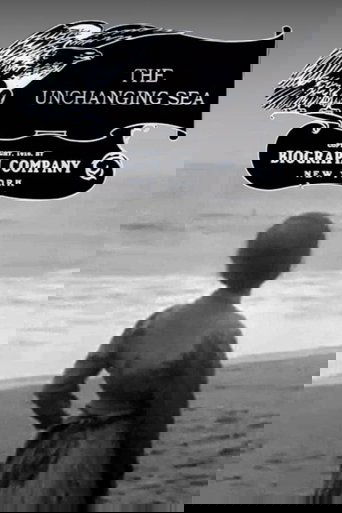
- The film's plot bears similarities to other contemporary melodramas, such as 'The Unchanging Sea' (1910) and 'The Rose of the World' (1918).
Visual style
The cinematography of The Greater Call would have been typical of the 1910 era, characterized by static camera positions, long takes, and natural lighting. The film was likely shot on location in Fort Lee, New Jersey, using hand-cranked cameras that required careful coordination to maintain consistent exposure. The visual style would have emphasized the actors' facial expressions and gestures, given the absence of dialogue. Close-ups may have been used sparingly to highlight key emotional moments, a technique that was still emerging during this period. The film's composition would have been influenced by theatrical staging, with actors positioned to maximize visibility and emotional impact. The use of intertitles to convey dialogue and narrative exposition would have been minimal, as the story was primarily told through visual storytelling.
Innovations
The Greater Call does not appear to have introduced any significant technical achievements, as it was a standard one-reel production of its time. The film was likely shot using 35mm film with hand-cranked cameras, a common practice in 1910. The editing would have been straightforward, with linear storytelling and minimal cuts. The film's reliance on natural lighting and location shooting reflects the technical limitations and practices of the era. While the film may have utilized emerging techniques like close-ups or intertitles, these were not innovative by 1910. The film's technical aspects were typical of the period, focusing on clear visual storytelling rather than technical experimentation.
Music
As a silent film, The Greater Call would have been accompanied by live musical performances during its screenings. The typical nickelodeon setup included a pianist or small ensemble that improvised or compiled music to match the on-screen action. The score would have likely consisted of popular songs, classical pieces, and original compositions tailored to the film's emotional beats. The music would have played a crucial role in enhancing the film's melodramatic tone, with sorrowful melodies accompanying scenes of sacrifice and tension-building rhythms during moments of decision. The choice of music would have been left to the discretion of the individual theater's musician, leading to variations in the soundtrack across different venues.
Famous quotes
Though the film is lost, contemporary reviews suggest that intertitles may have included lines like: 'A mother's love knows no bounds.'
Another possible intertitle, inferred from the plot: 'For the sake of my child, I must endure this pain.'
Memorable scenes
- The heart-wrenching moment when the mother hands her infant over to the wealthy adoptive parents, her face contorted with grief.
- The poignant scene where the mother watches her son from afar, unseen, as he plays with his new family.
- The final confrontation where the mother chooses to remain anonymous, sacrificing her own happiness for her son's future.
What audiences thought
Audiences in 1910 likely responded emotionally to The Greater Call, as melodramas of this nature were a staple of nickelodeon programming. The film's themes of maternal sacrifice and social inequality would have resonated with working-class viewers, particularly women, who faced similar struggles in their own lives. The film's ability to evoke strong emotions, often tears, was a key factor in its popularity. Nickelodeon audiences were accustomed to the exaggerated acting and simple moral narratives of the era, and The Greater Call would have met their expectations. The film's reception would have been further enhanced by the live musical accompaniment, which amplified the emotional impact of the on-screen drama. While specific audience reviews from the period are scarce, the enduring popularity of the 'women's weepies' genre suggests that The Greater Call was well-received by its contemporary viewers.
Film connections
Influenced by
- Theatrical melodramas of the 19th century
- Contemporary literary works on social issues
- Earlier silent films like 'The Unchanging Sea' (1910)
- D.W. Griffith's early melodramas
This film influenced
- Later 'women's pictures' of the 1930s and 1940s
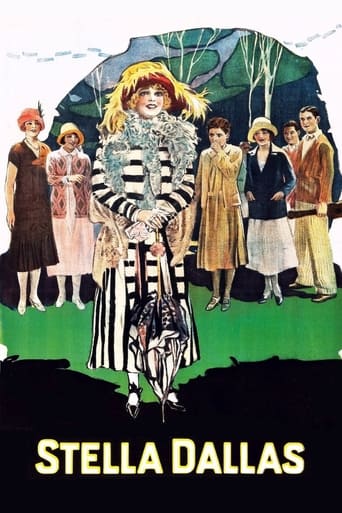
- Stella Dallas (1937)
- Imitation of Life (1934)
- Mildred Pierce (1945)
Film restoration
The Greater Call is considered a lost film. No known copies exist in any film archives or private collections. The film was likely lost due to the unstable nature of nitrate film stock and the lack of systematic preservation efforts in the early 20th century. Its loss is a common fate for many one-reel films from the nickelodeon era.
Where to watch
- As a lost film, The Greater Call is not available for viewing in any format. No known copies exist in archives or private collections.