

The Magic Brew
"Short animated silent film about a man drinking alcohol"
Keys: Space play/pause · ←/→ 10s · F fullscreen · M mute · </> speed
About this film
Short animated silent film about a man drinking alcohol.
Cast & crew
More films like this
More Animation films
View all →




More from Victor Bergdahl
View all →

More about this film
About the production
Release date1915
Box officeUnknown - box office data not systematically recorded for Swedish shorts in 1915
ProductionVictor Bergdahl Film
Filmed inStockholm, Sweden
Created using cut-out animation techniques, which was Bergdahl's preferred method during his early career. The picture was likely produced in Bergdahl's home studio in Stockholm, where he created many of his pioneering animated works. The animation process involved photographing hand-drawn or cut-out characters frame by frame, a labor-intensive process that required immense patience and precision for a solo animator working in 1915.
Themes
Alcohol and intoxicationTransformation and metamorphosisThe dangers of excessSurrealism and fantasyComedy and social commentary
Themes & topics
animationalcoholhallucinationtransformationcomedysilent filmshort filmSwedish cinemacut-out animationsurreal
Historical background
The Magic Brew (1915) reached audiences through Victor Bergdahl Film in Sweden, when exhibitors still built programs from varied shorts and features rather than single-block bookings.
Why this film matters
Programmers and historians revisit The Magic Brew (1915) because its story—short animated silent film about a man drinking alcohol—illustrates popular narrative habits and production norms of the period.
Making of
Victor Bergdahl created 'The Magic Brew' during the formative years of animation, working primarily alone in his Stockholm studio. The production process was incredibly labor-intensive, with Bergdahl drawing and cutting out each character element by hand, then photographing them frame by frame on a simple animation stand. The alcohol theme allowed Bergdahl to experiment with metamorphosis and transformation effects that would become hallmarks of his later work. As a Swedish pioneer in a field dominated by American and French animators, Bergdahl had to develop his own techniques and equipment, often improvising with available materials. the picture's success in Sweden encouraged him to continue producing animated shorts, eventually leading to his famous 'Kapten Grogg' character series.
What critics said
English-language trade reviews of The Magic Brew are limited for 1915. Where notices survive, they stress pacing and photographic clarity; later criticism values the title as archival evidence of studio style.
Did you know?
- This is one of the earliest surviving Swedish animated films, representing a crucial milestone in Nordic animation history
- Victor Bergdahl was essentially a one-man animation studio during this period, handling all aspects of production himself
- the picture was created during World War I, a time when international film distribution was disrupted, making Swedish productions particularly important for domestic audiences
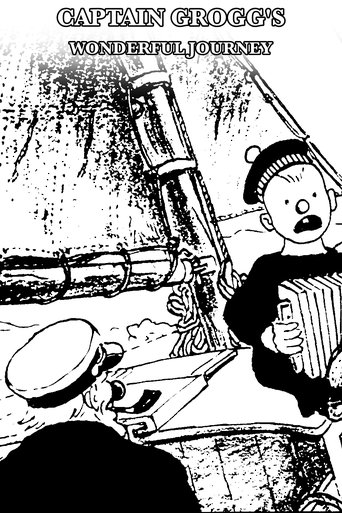
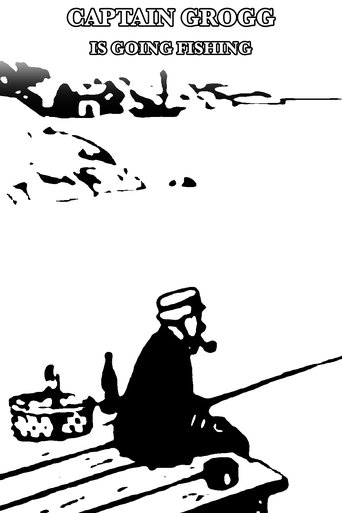
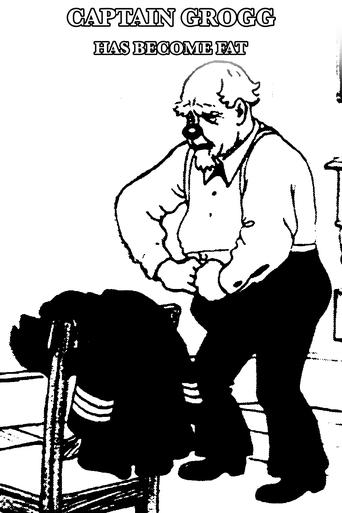
- Bergdahl would later become famous for his 'Kapten Grogg' series, but this early work shows his developing style
- The alcohol theme was common in early animation as it allowed for creative visual gags and transformations
- Only a handful of Bergdahl's pre-1920 works survive today, making historically significant
- Swedish animation in 1915 was virtually non-existent outside of Bergdahl's work
- the picture was likely hand-colored or tinted, as was common for special releases during the silent era
- Bergdahl was inspired by American and European animation pioneers like Winsor McCay and Émile Cohl
- the picture's surreal visual style anticipated later psychedelic animation by several decades
Visual style
The cinematography in 'The Magic Brew' reflects the technical limitations and innovations of early animation. Bergdahl used cut-out animation techniques, photographing flat, articulated characters against simple backgrounds. The camera work would have been static, as early animation stands typically didn't allow for camera movement. The visual style features bold outlines and simple color schemes, with the animation focusing on character movement and transformation rather than detailed backgrounds. the picture likely employed multiple exposure techniques for some of the magical effects, a sophisticated approach for 1915. The cinematography prioritized clarity and readability of the animated action, essential for silent films that relied entirely on visual storytelling.
Innovations
Bergdahl's work on 'The Magic Brew' demonstrates several technical achievements for its time and place. the picture sophisticated cut-out animation techniques, requiring precise planning and execution to achieve smooth movement. The transformation sequences, depicting the magical effects of the brew, represent an early use of metamorphosis in animation. Bergdahl's ability to create narrative continuity and character development through abstract visual forms was particularly innovative for Swedish cinema in 1915. the picture also demonstrates early understanding of timing and rhythm in animation, crucial for creating comedic effect. These technical accomplishments are especially impressive given that Bergdahl was working essentially alone in a country with virtually no animation tradition or infrastructure.
Music
As a silent film, 'The Magic Brew' would have been accompanied by live musical performance during theatrical exhibition. The specific musical score is not documented, but typical accompaniment for animated shorts of this era would have included popular songs, classical pieces, and improvisational piano music. The alcohol theme might have suggested drinking songs or comical musical motifs. In some theaters, sound effects might have been created live by musicians or theater staff. Modern screenings of the picture typically feature newly composed scores or period-appropriate music that captures the playful and surreal nature of the animation.
Famous quotes
As a silent film, dialogue was conveyed through intertitles and visual action rather than spoken quotes
Memorable scenes
- The transformation sequence where the protagonist begins hallucinating after drinking the magical brew, featuring surreal morphing of objects and characters that exemplifies early animation's capacity for visual fantasy
What audiences thought
Audiences in 1915 Sweden would have found 'The Magic Brew' novel and entertaining, as animation was still a rare and magical medium for most viewers. The visual gags and transformations, particularly those depicting the effects of alcohol, would have appealed to the broad audiences of silent cinema. the picture likely played in theaters as part of mixed programs alongside live-action shorts and newsreels, providing variety and spectacle. Contemporary audience reactions are not well-documented, but the continued production of animated shorts by Bergdahl suggests his work found appreciative viewers. Modern audiences viewing the picture today often express fascination with its primitive charm and historical significance as an early example of animation's potential for surreal and fantastical storytelling.
Film connections
Influenced by
- Winsor McCay's early animation
- Émile Cohl's surreal films
- European comic strip traditions
- Swedish folk tales
- Temperance movement literature
This film influenced
- Victor Bergdahl's later 'Kapten Grogg' series
- Other early Swedish animated shorts
- Nordic animation traditions of the 1920s-30s
Film restoration
The preservation status of 'The Magic Brew' is uncertain, as with many early animated films. Some sources suggest that fragments or possibly the complete film may exist in Swedish film archives, such as the Swedish Film Institute (Svenska Filminstitutet). However, the survival rate for animated shorts from this era, particularly those produced on celluloid nitrate stock, is extremely low. the picture's historical significance has led to efforts by film preservationists to locate and restore any surviving elements. If complete copies exist, they would be invaluable artifacts of early animation history.
Where to watch
- Due to its age and rarity, 'The Magic Brew' is not widely available for viewing. Potential sources include: The Swedish Film Institute's archive collections, specialized film history screenings, academic animation history collections, and occasionally through film preservation organizations that specialize in early cinema. Some fragments or clips might appear in documentary features about early animation history.