The Magician
"Coat off, wonder on"
Keys: Space play/pause · ←/→ 10s · F fullscreen · M mute · </> speed
About this film
Edwin S. Porter's stage magician strips coat, trousers, and props through successive substitutions. The scene opens on a theatrical stage. The magician enters from the wings, and making a bow to the audience, removes his coat and hat and they disappear mysteriously in the air. He then takes a white handkerchief from his pocket, holds it over his knees, and his long trousers dis.
Cast & crew
More films like this
More Fantasy films
View all →

More from Edwin S. Porter
View all →


More about this film
About the production
Release dateOctober 1900
ProductionEdison Manufacturing Company
Filmed inEdison Studios, Bronx, New York
This film was produced during the early days of cinema when Edison Studios was pioneering special effects techniques. The disappearing coat and hat effects were achieved through stop-motion photography, where the camera would be stopped, the object removed, and filming resumed. The emergence of live geese from tissue paper represented among the leading complex special effects of its time, requiring precise timing and coordination between the magician and the animals.
Themes
Magic and illusionTransformationTheatrical performanceVisual trickeryWonder and amazement
Themes & topics
magiciandisappearing acttransformationgeesestage magicspecial effectstrick filmtheaterillusionvanishing
Historical background
1900 placed The Magician within United States cinema as Edison Manufacturing Company navigated wartime markets, immigration audiences, and the shift from intertitles to sound.
Why this film matters
Archivists revisit The Magician (1900) for Edwin S. Porter style, genre norms at Edison Manufacturing Company, and the exhibition context of 1 minute programming.
Making of
The production of 'The Magician' took place at Edison's Black Maria studio in West Orange, New Jersey, before the company moved to the Bronx. Edwin S. Porter, who was still early in his career as a filmmaker, experimented extensively with stop-motion techniques to achieve the disappearing effects. The crew faced significant challenges working with live animals, particularly the geese that had to be coaxed to fly out of the tissue paper at the right moment. The magician performer was reportedly a professional stage entertainer who had to adapt his stage magic techniques for the camera, learning to perform his tricks within the confined space of the early film studio and timing his movements to work with the primitive camera equipment.
What critics said
Retrospective writing on The Magician stresses craft by Edwin S. Porter, print survival, and repertory value rather than opening-week gross alone.
Did you know?
- This film was one of the earliest examples of using special effects to create magical illusions on screen, predating many of Georges Méliès' famous trick films
- Edwin S. Porter, who directed this film, would later direct 'The Great Train Robbery' (1903), especially influential early narrative films
- The film was shot on 35mm film at approximately 16 frames per second, the standard speed for silent films of this era
- The magician in the film is believed to be a professional stage magician hired by Edison Studios to perform the tricks authentically
- This film was part of Edison's ongoing efforts to showcase the magical possibilities of cinema to audiences still skeptical of the new medium
- The tissue paper to geese effect required multiple takes to achieve, as the geese had to be trained to emerge on cue
- The film was originally exhibited as part of vaudeville programs, often shown alongside live magic performances
- Edison marketed this film heavily to theater owners as a guaranteed crowd-pleaser that would amaze audiences
- The knickerbocker transformation was considered particularly risqué for 1900, as it involved a quick change of clothing on screen
- This film survives today in the Library of Congress collection, preserving one of the earliest examples of American special effects cinema
Visual style
The cinematography in 'The Magician' utilized the fixed camera perspective typical of early cinema, with the entire film shot from a single stationary position. The camera work was straightforward but effective, allowing the magical effects to take center stage. The lighting was bright and even, necessary for the slow film stock of the era. The composition placed the magician centrally in the frame, ensuring maximum visibility for his tricks. The cinematographer had to carefully time the camera stops for the special effects, requiring precise coordination with the performer. The black background of the stage helped create contrast and made the magical effects more dramatic.
Innovations
The film pioneered several technical achievements for its time, most notably the sophisticated use of stop-motion photography for the disappearing effects. The transformation from trousers to knickerbockers represented an early example of what would later be called substitution splicing. The tissue paper to geese effect required precise timing and multiple exposures, demonstrating advanced understanding of film manipulation techniques. The production also showcased early animal handling techniques in cinema, as the geese had to be trained and coordinated for their appearance. The film's success in creating believable magic helped establish many special effects techniques that would become standard in the industry.
Music
As a silent film from 1900, 'The Magician' had no synchronized soundtrack. However, it was typically accompanied by live musical performance during exhibition. Theater pianists or small orchestras would play appropriate magical-themed music, often using popular tunes of the day or improvising mysterious-sounding melodies. Some venues employed sound effects, such as chimes or bells, to enhance the magical moments. The Edison Company occasionally suggested specific musical cues in their exhibition guides, though these were not mandatory. The musical accompaniment varied significantly depending on the theater and the musicians available.
Famous quotes
A Highly Pleasing and Mystifying Subject - Edison Marketing Materials
The magician enters from the wings, and making a bow to the audience, removes his coat and hat and they disappear mysteriously in the air - Original Edison Catalog Description
Memorable scenes
- The climactic moment when the magician shakes the tissue paper and three live geese suddenly fly out, creating a spectacular effect that amazed early cinema audiences and demonstrated the magical possibilities of film
What audiences thought
Audiences in 1900 were reportedly astonished by 'The Magician,' with many theater owners reporting that the film was a consistent crowd-pleaser. The disappearing coat and hat effects were particularly popular, often drawing audible gasps from viewers unfamiliar with cinematic trickery. The emergence of live geese from tissue paper became a talking point among audiences, who debated how the effect was achieved. The film was frequently re-booked by theaters due to popular demand, and it became one of Edison's most reliable titles of 1900-1901. Contemporary accounts suggest that even skeptical viewers were won over by the film's clever illusions.
Film connections
Influenced by
- Stage magic performances of the late 19th century
- Georges Méliès' early trick films
- Edison's own earlier special effects experiments
- Contemporary spiritualist demonstrations
- Vaudeville magic acts
This film influenced
- The Great Train Robbery (1903)
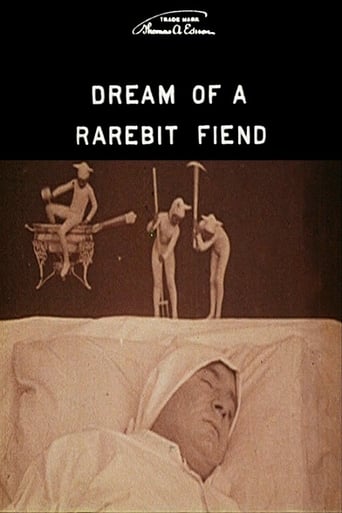
- Dream of a Rarebit Fiend (1906)
- The '?' Motorist (1906)
- The Thieving Hand (1908)
- The Red Spectre (1907)
Film restoration
Preserved in the Library of Congress collection as part of the Paper Print Collection. The film survived because Edison submitted paper prints for copyright protection, which were later transferred back to film. The print is in relatively good condition considering its age, though some deterioration is visible. The film has been digitally restored and is available for viewing through various archival sources.
Where to watch
- Library of Congress National Screening Room
- Internet Archive
- Museum of Modern Art Film Collection
- Kino Lorber's 'The Movies Begin' DVD collection
- Edison: The Invention of the Movies DVD set