The Martyred Presidents
"Mourners gather before the tombs of slain presidents."
Keys: Space play/pause · ←/→ 10s · F fullscreen · M mute · </> speed
About this film
is difficult to classify. It opens on a scene showing a mourner with bowed head sitting in front of what appears to be a tombstone. Shortly afterwards, the face of Abraham Lincoln and then of two other presidents, Garfield and McKinley, can be seen on the monument and then they disappear. There is a figure huddled at the foot of a statue of Justice, as if asking forgiveness.
Cast & crew
More films like this
More Documentary films
View all →
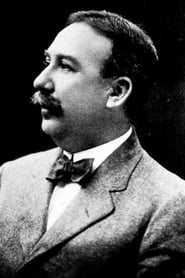
More from Edwin S. Porter
View all →

More about this film
About the production
Release dateOctober 1901
Box officeNot documented - box office tracking was not standard practice in 1901
ProductionEdison Manufacturing Company
Filmed inEdison Studio, Black Maria, West Orange, New Jersey
Filmed shortly after President McKinley's assassination in September 1901, making it one of the earliest examples of cinema responding to current events. The film utilized multiple exposure techniques to create the ghostly appearances of the presidents' faces. Edwin S. Porter, working for Thomas Edison's studio, was experimenting with narrative and emotional content in cinema during this period. The production likely used a painted backdrop and props to create the tombstone and statue of Justice.
Themes
National mourningPresidential legacyViolence in American politicsJustice and forgivenessCollective memory
Themes & topics
assassinationpresidentsmemorialgriefspecial effectsmultiple exposurepatriotichistoricalsupernaturaljustice
Historical background
By 1901, The Martyred Presidents was shaped by the earliest projected-film era technology, distribution, and audience expectations.
Why this film matters
The Martyred Presidents (1901) helps trace genre evolution, performer careers, and exhibition practices of its period.
Making of
The Martyred Presidents was produced during a pivotal moment in American history and cinema history. Edwin S. Porter, working under Thomas Edison's manufacturing company, was tasked with creating a film that would resonate with a grieving nation. The production team worked quickly to capitalize on the public's mourning for President McKinley, who had been assassinated just weeks before. The special effects were achieved through careful multiple exposure photography, a technique that was still experimental at the time. The film's set was simple but effective, using painted backdrops and props to create the illusion of a memorial. The actor playing the mourner had to remain perfectly still during the multiple exposures to ensure the special effects would work properly. This production demonstrated Porter's growing sophistication as a filmmaker and his ability to use cinema for emotional and patriotic purposes.
What critics said
Modern notes on The Martyred Presidents emphasize preservation, stylistic choices, and its place within director or studio filmographies.
Did you know?
- This was one of the first films to use special effects for emotional impact rather than just novelty
- The film was rushed into production just weeks after President McKinley's assassination on September 6, 1901
- Edwin S. Porter would later direct 'The Great Train Robbery' (1903), considered among the pivotal early narrative films
- The film represents an early example of cinema addressing national tragedy and grief
- The multiple exposure technique used to show the presidents' faces was cutting-edge for 1901
- The statue of Justice was likely a prop created specifically for this production
- This film is considered one of the earliest documentaries or historical films in American cinema
- The Edison Company marketed this film as both educational and patriotic
- The film was part of a wave of 'mourning films' that appeared after McKinley's death
- At 60 seconds, it was typical of the very short film lengths of the early 1900s
Visual style
The cinematography in The Martyred Presidents was innovative for its time, utilizing multiple exposure techniques to create the supernatural effect of the presidents' faces appearing and disappearing. The film was shot in black and white using Edison's standard 35mm film format. The lighting was carefully controlled to ensure the multiple exposures would blend properly, with the main subject (the mourner) remaining consistent while the ghostly faces appeared and faded. The composition was formal and symmetrical, reflecting the serious subject matter. The camera remained static throughout, as was typical of early cinema, but the visual effects created movement within the frame. The cinematography successfully conveyed both the somber mood and the spiritual nature of the memorial theme.
Innovations
The Martyred Presidents showcased several technical innovations for its time. The multiple exposure technique used to create the ghostly presidential faces was cutting-edge in 1901, requiring precise timing and careful planning. The film demonstrated early mastery of in-camera special effects, creating supernatural imagery without post-production tricks. The production also showed sophisticated understanding of lighting for multiple exposures, ensuring the different elements would blend seamlessly. The film's use of visual effects to convey emotional and spiritual themes was innovative, moving beyond the simple trick films that were popular at the time. This production helped establish techniques that would become standard in later special effects cinema, particularly in creating ghostly or supernatural appearances.
Music
As a silent film from 1901, The Martyred Presidents had no synchronized soundtrack. However, when shown in theaters, it would have been accompanied by live music, typically a pianist or small orchestra. The musical accompaniment would have been somber and patriotic, likely including popular hymns or patriotic songs of the era such as 'Nearer, My God, to Thee' or 'America.' Some exhibitors might have used 'The Star-Spangled Banner' or other patriotic airs to enhance the film's emotional impact. The choice of music was left to individual theater musicians, though Edison sometimes provided suggested musical cues for their films. The absence of recorded sound made the visual storytelling and emotional content even more crucial to the film's effectiveness.
Famous quotes
No recorded dialogue - silent film
Memorable scenes
- The haunting sequence where the three presidents' faces materialize on the tombstone through multiple exposure, creating a ghostly memorial that was technically innovative and emotionally powerful for 1901 audiences
What audiences thought
Audiences in 1901 received The Martyred Presidents with considerable emotional impact, as the wounds of McKinley's assassination were still fresh. The film's patriotic themes and respectful treatment of the fallen presidents resonated strongly with American viewers of the time. Many viewers reported being moved by the ghostly appearances of the presidents' faces, which they found both technically impressive and emotionally powerful. The film was popular in vaudeville houses and other venues where Edison films were shown, often being booked as part of programs that included other patriotic or educational subjects. Contemporary accounts suggest that audiences appreciated cinema's role in helping the nation process its collective grief.
Film connections
Influenced by
- Magic lantern shows
- Spirit photography
- Stage melodramas
- Memorial art
- Funeral orations
This film influenced
- The Execution of Czolgosz (1901)
- The Life of an American Fireman (1903)
- The Great Train Robbery (1903)
- Rescued from an Eagle's Nest (1908)
Film restoration
The film is preserved in the Library of Congress and other film archives. A 35mm print exists and has been digitized for preservation purposes. The film is part of the National Film Registry's collection of historically significant American films.
Where to watch
- Library of Congress National Screening Room
- Internet Archive
- Museum of Modern Art film collection
- Various early cinema compilation DVDs
- Academic film archives and university collections