The Night Before Christmas
"On Christmas Eve, Santa feeds his reindeer and loads his sleigh, before going…"
Keys: Space play/pause · ←/→ 10s · F fullscreen · M mute · </> speed
About this film
On Christmas Eve, Santa feeds his reindeer and loads his sleigh, before going on his journey to deliver toys to the children of the world. The Night Before Christmas (1905) American silent short film directed by Edwin S. Porter for the Edison Manufacturing Company.
Cast & crew
More films like this
More Fantasy films
View all →

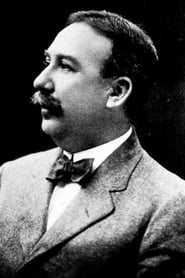
More from Edwin S. Porter
View all →

More about this film
About the production
Release dateDecember 1905
ProductionEdison Manufacturing Company
Filmed inEdison Studios, Bronx, New York
This film was created using a single stationary camera, typical of early cinema. The special effects showing Santa's sleigh in flight were achieved through simple stop-motion techniques and double exposure. The production utilized painted backdrops and props created in Edison's workshop. The reindeer were likely portrayed by actual animals or actors in costume, given the limitations of the era.
Themes
Christmas MagicChildhood WonderGenerosityFamily TraditionsHoliday Spirit
Themes & topics
Santa ClausChristmas EveReindeerSleighToysGift GivingNorth PoleMagicChildrenHoliday
Historical background
Released in 1905 during cinema's first decade, The Night Before Christmas reached audiences when exhibitors were still defining programming conventions. The narrative hook—On Christmas Eve, Santa feeds his reindeer and loads his sleigh, before going…—reflects what contemporary producers thought would draw viewers.
Why this film matters
The Night Before Christmas remains discussed by archivists tracing how screen stories of its period represented work, desire, conflict, and social order. Its central situation—On Christmas Eve, Santa feeds his reindeer and loads his sleigh, before going…—still prompts questions about genre conventions and audience expectations.
Making of
Edwin S. Porter, working for Thomas Edison's company, was at the forefront of cinematic innovation in the early 1900s. For 'The Night Before Christmas,' Porter and his team created a magical world using the limited technology available. The production involved building elaborate sets representing Santa's workshop, complete with toy-making equipment and a miniature sleigh. The flying scenes were particularly challenging, requiring the use of glass shots and careful camera work to create the illusion of flight. The actor playing Santa had to convey the character's warmth and generosity through pantomime alone, as this was a silent film. The production team likely worked through the autumn of 1905 to have the film ready for December release, timing it perfectly for the holiday season when audiences would be most receptive to Christmas-themed entertainment.
What critics said
Trade and newspaper notices for The Night Before Christmas generally emphasized casting, spectacle, and program fit rather than extended aesthetic argument. Retrospective screenings and archival notes continue to shape how viewers evaluate The Night Before Christmas today.
Did you know?
- This is one of the earliest known films to depict Santa Claus and Christmas themes on screen
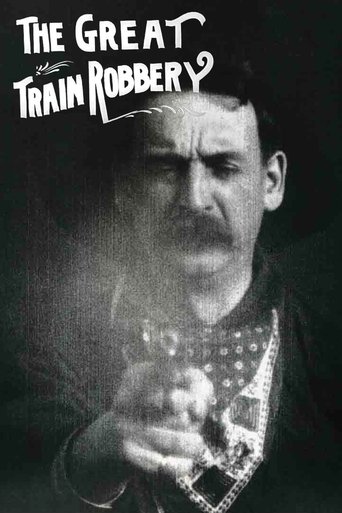
- Director Edwin S. Porter was one of Thomas Edison's most important filmmakers, having created 'The Great Train Robbery' (1903)
- The film was likely hand-colored in some prints, a common practice for special scenes in early cinema
- At 7 minutes, it was relatively long for its time, as most films were only 1-3 minutes
- The film predates the popularization of Santa's modern image, showing an earlier interpretation of the character
- It was released during the holiday season to capitalize on Christmas-themed entertainment
- The film's simple effects were considered innovative for 1905, particularly the flying sleigh sequence
- This film represents one of the first attempts to bring Christmas magic to the moving picture medium
- Edison Studios produced numerous short films with holiday themes during this period
- The film was likely shown alongside other short subjects in nickelodeons and vaudeville theaters
Visual style
The cinematography in 'The Night Before Christmas' reflects the technical limitations and conventions of 1905 filmmaking. The film was shot using a single stationary camera positioned to capture the entire scene, as camera movement was not yet common practice. The lighting would have been natural or simple artificial illumination, creating high contrast typical of early films. The cinematographer employed basic special effects techniques including double exposure for the flying sequences and possibly stop-motion for the reindeer movement. The composition follows the theatrical tradition of the time, with action staged as if for a proscenium arch. Some prints may have featured hand coloring, particularly for Santa's suit or magical elements, adding visual interest to the otherwise monochrome imagery.
Innovations
While primitive by modern standards, 'The Night Before Christmas' incorporated several technical innovations for its time. The film's special effects, particularly the flying sleight sequence, demonstrated early mastery of double exposure and matte techniques. Edison Studios was known for its technical experimentation, and this film likely benefited from their ongoing developments in film processing and printing. The production may have utilized multiple exposure techniques to create ghostly or magical effects appropriate for the supernatural subject matter. The film's relatively long running time of seven minutes was ambitious for 1905, requiring careful planning of continuity and narrative structure. The set design and props showed increasing sophistication in film production values, moving beyond simple outdoor filming to constructed environments.
Music
As a silent film, 'The Night Before Christmas' had no synchronized soundtrack. During exhibition, it would have been accompanied by live music, typically a pianist or small ensemble in the theater. The musical accompaniment would have been improvised or selected from existing classical pieces and popular songs of the era. For Christmas-themed films, musicians likely chose familiar holiday tunes or festive-sounding compositions to enhance the mood. The Edison Company sometimes provided suggested musical cue sheets with their films to guide theater musicians. The absence of recorded sound meant that all emotion and narrative had to be conveyed visually, through the actors' performances and the film's imagery.
Famous quotes
No dialogue - silent film with intertitles if any
Memorable scenes
- The magical sequence showing Santa's sleigh flying across the night sky, achieved through early special effects techniques that would have amazed audiences of 1905
What audiences thought
Audiences in 1905 would have been delighted by this film's magical depiction of Santa Claus and Christmas Eve. The novelty of seeing Santa Claus come to life on screen would have been a significant attraction for families and children during the holiday season. Early film audiences were easily impressed by what we now consider simple special effects, so the flying sleigh sequence would have generated wonder and excitement. The film's family-friendly subject matter made it popular in nickelodeons where audiences of all ages gathered. Like other Edison productions, it likely enjoyed good circulation through the company's extensive distribution network, reaching audiences across the United States and potentially internationally.
Film connections
Influenced by
- Clement Clarke Moore's 'A Visit from St. Nicholas'
- Thomas Nast's Santa Claus illustrations
- Victorian Christmas traditions
- Stage magic shows
- Pantomime theater
This film influenced
- Santa Claus (1898)
- A Christmas Carol adaptations
- The Night Before Christmas (1933)
- Miracle on 34th Street (1947)
- Santa Claus Conquers the Martians (1964)
Film restoration
The film is preserved in the Library of Congress collection and other film archives. Prints survive, though some may be incomplete or in poor condition due to the age and deterioration of nitrate film stock. The film has been digitized and is available through various archival sources.
Where to watch
- Library of Congress National Screening Room
- Internet Archive
- Various film archive websites
- Museum of Modern Art film collection
- Academic film databases