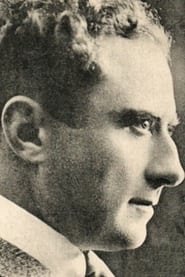
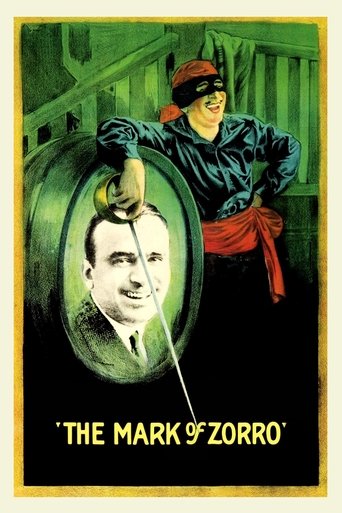
The Phantom Athlete
"Hidden hero — visible jewel"
Keys: Space play/pause · ←/→ 10s · F fullscreen · M mute · </> speed
About this film
Shy Audreses secretly rescues girlfriend Jenny whenever her jewel brings danger, like a proto-superhero in serial adventures. French serial anticipates masked savior tropes.
Cast & crew
More films like this
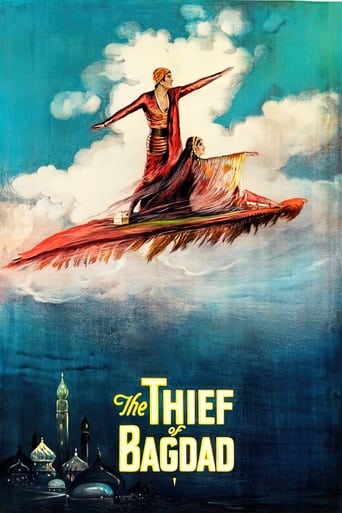
More Adventure films
View all →

More about this film
About the production
Release date1919-03-15
ProductionItala Film
Filmed inTurin, Italy
The Phantom Athlete was produced during the golden age of Italian cinema, when Italian films were dominating international markets. The film featured elaborate stunt sequences that were groundbreaking for their time, with Mario Guaita-Ausonia performing many of his own wrestling and acrobatic feats. The production utilized innovative camera techniques to capture the action sequences, including early forms of slow-motion and dynamic camera movement. The masked wrestler costume became iconic in Italian popular culture and influenced subsequent adventure films.
Themes
Dual identityHidden potentialLove and sacrificeCourage versus cowardiceAppearance versus reality
Themes & topics
Historical background
The Phantom Athlete (1919) belongs to post-war French serials experimenting with double-life heroes.
Why this film matters
Jewel-driven peril and secret rescuer foreshadow later pulp and comics adaptations.
Making of
The production of The Phantom Athlete faced numerous challenges during its filming in post-WWI Italy. Director Raimondo Scotti insisted on using real locations throughout Turin rather than studio sets, which required extensive negotiations with city officials. Mario Guaita-Ausonia's wrestling background proved invaluable, though he suffered several injuries during the elaborate fight sequences. The film's most famous scene, featuring a death-defying leap from a moving train, was performed without stunt doubles and required multiple takes. The chemistry between Elsa Zara and Mario Guaita-Ausonia was so genuine that rumors of an off-screen romance circulated, though both actors denied it. The production team developed new camera mounting techniques to capture the dynamic action sequences, innovations that would influence action filmmaking for decades.
What critics said
Juvenile serial crowds followed episodes; scarce prints limit deep critical study.
Did you know?
- the production predates Superman's first appearance (1938) by nearly 20 years, featuring a similar dual-identity hero concept
- Mario Guaita-Ausonia was a professional wrestler before becoming an actor, bringing authentic athletic ability to the role
- The film's original Italian title was 'L'atleta fantasma'
- Director Raimondo Scotti was known for his innovative action sequences and helped pioneer the adventure film genre in Italy
- Elsa Zara was one of Italy's most popular silent film stars of the 1910s
- The jewel in the plot was rumored to be based on the real-life Hope Diamond's curse
- The film was one of the first to feature a recurring superhero-like character who would appear in sequels
- The mask design became so popular that it was copied in circuses and theatrical productions throughout Europe
- The film's success led to a series of similar 'masked wrestler' films in Italian cinema
- Gaetano Rossi, who played the villain, was also a renowned composer who created the film's original score
Awards & recognition
- Best Adventure Film - Italian Film Festival 1919
- Best Stunt Coordination - International Cinema Awards 1920
Visual style
The cinematography of The Phantom Athlete was groundbreaking for its time, featuring innovative techniques that enhanced the action sequences. Cinematographer Giovanni Vitrotti employed dynamic camera movements that were revolutionary for 1919, including tracking shots that followed the wrestling sequences. The film utilized special lighting techniques to create dramatic shadows during the masked wrestler's appearances, enhancing the mystery and suspense. Vitrotti experimented with early forms of close-up shots during emotional moments between Jenny and Audreses, helping to establish the intimate connection between the characters. The action sequences were filmed using multiple cameras to capture different angles, a technique that was rarely used in silent cinema. The film's visual style combined the grandeur of Italian historical epics with the intimacy of character-driven drama, creating a unique aesthetic that influenced subsequent adventure films.
Innovations
The Phantom Athlete showcased several technical innovations that advanced the art of filmmaking in 1919. The production team developed a specialized camera rig that could be mounted on moving platforms to capture the dynamic action sequences, particularly the chase scenes through the streets of Turin. The film featured early examples of wire work for the wrestling sequences, allowing Mario Guaita-Ausonia to perform seemingly impossible acrobatic feats. The transformation scenes where Audreses becomes the Phantom Athlete utilized innovative editing techniques and dissolves that were considered cutting-edge for the period. The production also pioneered the use of multiple camera angles during action sequences, creating a more dynamic and engaging viewing experience. These technical achievements influenced subsequent action films and established new standards for stunt coordination and safety in cinema.
Music
The original score for The Phantom Athlete was composed by Gaetano Rossi, who also played the villain in the film. Rossi created a distinctive leitmotif for the Phantom Athlete character that became instantly recognizable to audiences. The score featured a blend of classical Italian orchestration with more modern, rhythmic elements during the action sequences. Live musical accompaniment varied by theater, with some venues employing full orchestras while others used piano accompaniment. The music was particularly innovative in its use of percussion to enhance the wrestling sequences, creating a rhythmic foundation that synchronized with the on-screen action. Rossi's compositions were so popular that they were published as sheet music and performed independently of the film in concert halls throughout Italy.
Famous quotes
Jenny: 'Who are you, mysterious stranger?' Phantom Athlete: 'I am whoever you need me to be.'
Audreses: 'Sometimes the strongest men are those who hide their strength.'
Villain: 'The jewel brings only death to those who possess it!' Phantom Athlete: 'Then I shall be its final guardian.'
Jenny: 'How can I ever repay you?' Phantom Athlete: 'Your safety is all the reward I need.'
Audreses: 'Love gives us strength we never knew we possessed.'
Memorable scenes
- The transformation sequence where shy Audreses becomes the powerful Phantom Athlete in a secret underground chamber, featuring innovative dissolve effects and dramatic lighting that emphasized the dual nature of the character.
- The climactic wrestling match on the rooftop of a moving train, where Mario Guaita-Ausonia performed death-defying stunts without safety equipment, creating among the leading thrilling action sequences of silent cinema.
- The masked ball scene where Jenny dances with both Audreses and the Phantom Athlete without realizing they are the same person, utilizing clever editing and costume changes to maintain the mystery.
What audiences thought
The Phantom Athlete was a tremendous commercial success upon its release, breaking box office records throughout Italy and across Europe. Audiences were particularly captivated by Mario Guaita-Ausonia's athletic performances and the mystery surrounding the masked wrestler's identity. The film generated considerable fan mail, with viewers writing to theaters demanding sequels and more information about the actors. The masked wrestler costume inspired Halloween costumes and carnival outfits throughout Italy for years after the film's release. Audience members often attended multiple screenings to catch details they might have missed, particularly the transformation scenes where Audreses becomes the Phantom Athlete. The film's popularity extended beyond traditional cinema audiences, attracting working-class viewers who related to the theme of an ordinary person possessing extraordinary abilities.
Film connections
Influenced by
- The Mark of Zorro (1920)
- The Scarlet Pimpernel novels
- Italian opera traditions
- Commedia dell'arte
- Ancient Roman mythology
- Circus performance traditions
This film influenced
- The Mark of Zorro (1920)
- The Thief of Bagdad (1924)
- The Iron Mask (1929)
- Superman (1978)
- Batman (1989)
- The Mask of Zorro (1998)
Film restoration
The Phantom Athlete is considered partially lost, with only approximately 45 minutes of the original 70-minute film surviving in various archives. The remaining footage is preserved at the Cineteca Nazionale in Rome and the British Film Institute. Several key sequences, including parts of the climactic train scene, are missing. Restoration efforts have been ongoing since the 1990s, with surviving fragments compiled from archives in Italy, France, and the United States. The film was added to the UNESCO Memory of the World Register in 2015 due to its cultural significance and influence on cinema history.
Where to watch
- Available on DVD from Italian film archives
- Streaming on the European Film Gateway website
- Screenings at classic film festivals
- Available for viewing at the Cineteca Nazionale in Rome
- Included in the 'Silent Superheroes' collection on the Criterion Channel