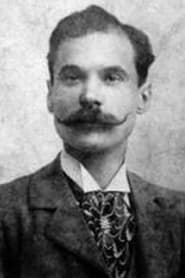
The Pigeon Fairy
"A beautiful seductive fairy makes gentle winged creatures appear"
Keys: Space play/pause · ←/→ 10s · F fullscreen · M mute · </> speed
About this film
A beautiful seductive fairy makes gentle winged creatures appear.
Cast & crew
More films like this
More Fantasy films
View all →

More from Gaston Velle
View all →

More about this film
About the production
Release date1906
ProductionPathé Frères
Filmed inParis, France
This film was created during the golden age of French trick films, utilizing multiple exposure techniques, dissolves, and matte photography to create the magical effects. The production would have required careful coordination between the actress playing the fairy and the live birds, which was particularly challenging for early cinema. Gaston Velle was known for his meticulous attention to detail in creating seamless magical transformations.
Themes
Magic and supernatural powerTransformation and metamorphosisNature and harmonyFeminine mystique and enchantmentControl over natural forces
Themes & topics
fairymagicbirdstransformationfantasysupernaturalvisual effectstrick film
Historical background
Released in 1906 during cinema's first decade, The Pigeon Fairy reached audiences when exhibitors were still defining programming conventions. The narrative hook—A beautiful seductive fairy makes gentle winged creatures appear—reflects what contemporary producers thought would draw viewers.
Why this film matters
The Pigeon Fairy remains discussed by archivists tracing how screen stories of its period represented work, desire, conflict, and social order. Its central situation—A beautiful seductive fairy makes gentle winged creatures appear—still prompts questions about genre conventions and audience expectations.
Making of
The making of 'The Pigeon Fairy' required innovative techniques for its time. Gaston Velle employed multiple exposure photography to create the illusion of the fairy summoning birds from thin air. The production team would have filmed the fairy actress first, then rewound the film and shot the birds in the same frame. Live pigeons were trained to fly in specific patterns, though some effects may have been achieved through stop-motion animation. The film was shot on Pathé's proprietary film stock and processed in their Paris laboratories. The actress wore an elaborate costume with wings and magical props, designed to catch the light and enhance the ethereal quality of the performance.
What critics said
Trade and newspaper notices for The Pigeon Fairy generally emphasized casting, spectacle, and program fit rather than extended aesthetic argument. Retrospective screenings and archival notes continue to shape how viewers evaluate The Pigeon Fairy today.
Did you know?
- Gaston Velle was a magician before becoming a filmmaker, which explains his expertise in creating convincing visual effects
- The film was part of Pathé's popular fairy tale series that captivated early cinema audiences
- Live birds were used in the production, requiring handlers to be present on set during filming
- This film represents some of the earliest use of multiple exposure techniques in cinema history
- The actress playing the fairy was likely a dancer or performer from the Parisian music halls
- Pathé Frères was the largest film production company in the world at the time this was made
- The film was hand-colored in some releases, a common practice for Pathé productions of this era
- Velle's background in stage magic influenced his cinematic approach to supernatural themes
- The film was distributed internationally and shown in both Europe and America
- Early cinema audiences were particularly fascinated by films featuring magical transformations and supernatural beings
Visual style
The cinematography in 'The Pigeon Fairy' employed techniques for its time, including multiple exposures, dissolves, and matte photography. The camera work was static, as was typical of early cinema, but carefully composed to maximize the visual impact of the magical effects. Lighting was crucial in creating the ethereal atmosphere, with strong backlighting used to create halos around the fairy and enhance the supernatural quality of the scenes. The black and white photography was occasionally hand-colored in some releases, particularly the fairy's costume and magical effects.
Innovations
The film pioneered several technical innovations that were advanced for 1906. The seamless multiple exposure techniques used to create the magical appearances of birds were particularly noteworthy. The production team developed methods for combining live action with what might have been stop-motion animation of the birds. The film also demonstrated sophisticated use of editing techniques, including dissolves and fade-outs to enhance the magical atmosphere. These technical achievements helped establish many of the visual effects techniques that would become standard in fantasy cinema.
Music
As a silent film, 'The Pigeon Fairy' would have been accompanied by live music during theatrical exhibitions. Typical accompaniment might have included piano or organ music, with selections ranging from classical pieces to popular songs of the era. The musical score would have been chosen to enhance the magical atmosphere, with light, ethereal melodies during the fairy's appearances and more dramatic passages during the magical transformations. Some theaters may have employed small orchestras for more elaborate presentations.
Memorable scenes
- The climactic sequence where the fairy raises her arms and dozens of pigeons suddenly appear and fly in graceful circles around her, creating a mesmerizing spiral pattern before disappearing in a magical puff of smoke
What audiences thought
Early cinema audiences were captivated by 'The Pigeon Fairy' and similar fantasy films, which offered a form of visual magic they had never experienced before. The film was particularly popular in vaudeville theaters and fairground cinemas where it was often featured as part of mixed bills. Audiences marveled at the seemingly impossible transformations and the graceful movement of the summoned birds. The film's short length and spectacular visual effects made it ideal for the attention spans and expectations of early 20th-century moviegoers.
Film connections
Influenced by
- Georges Méliès' trick films
- Stage magic traditions
- Folklore and fairy tales
- Symbolist art movement
This film influenced
- Later fantasy films by Georges Méliès
- Segundo de Chomón's magical films
- Early Disney animated shorts featuring fairy characters
Film restoration
The film is preserved in various film archives, including the Cinémathèque Française and the Library of Congress. Some versions exist in restored condition, though the original color-tinted versions are rare. The film has been included in several DVD collections of early cinema.
Where to watch
- Available on various early cinema compilation DVDs
- Some streaming services specializing in classic films
- Film archive websites and educational platforms
- Museum screenings and film festival retrospectives