

The Portrait of Captain Grogg
"An artist receives the visit of Grogg."
Keys: Space play/pause · ←/→ 10s · F fullscreen · M mute · </> speed
About this film
An artist receives the visit of Grogg, an animated captain, to draw his portrait
Cast & crew
More films like this
More Animation films
View all →

More from Victor Bergdahl
View all →

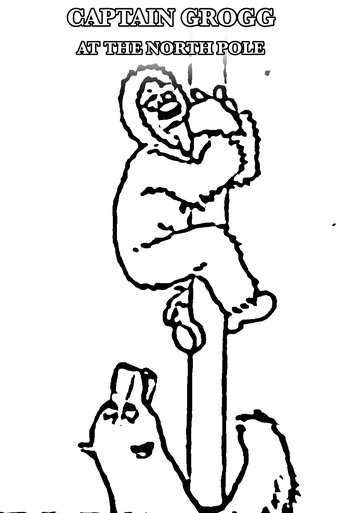
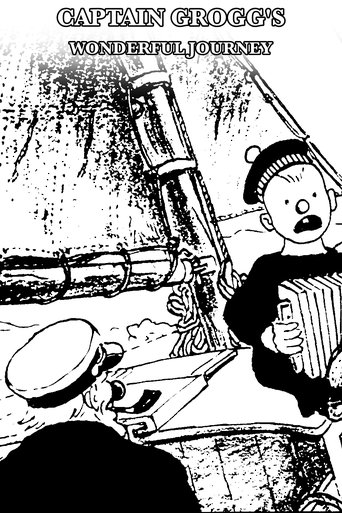
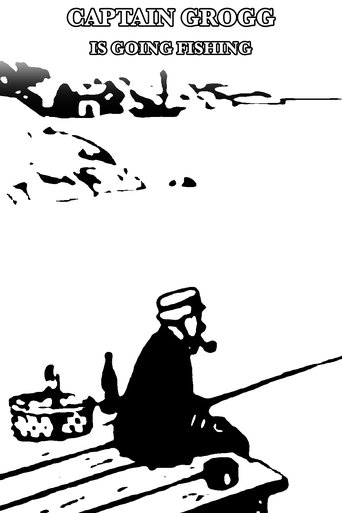
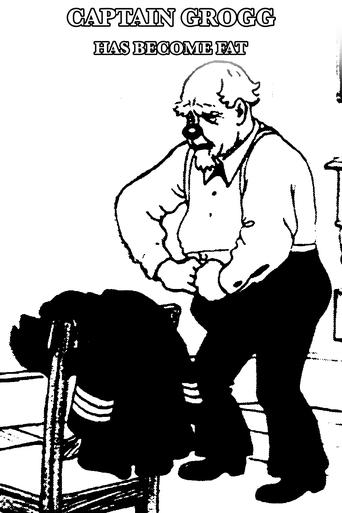
More about this film
About the production
Release date1917
ProductionVictor Bergdahl Film
Filmed inStockholm, Sweden
was created using cut-out animation techniques, which was innovative for its time. Victor Bergdahl personally handled all aspects of production including animation, direction, and even providing the character movements. The film was shot frame by frame using a primitive animation setup Bergdahl built himself. Captain Grogg was one of Bergdahl's signature characters, appearing in multiple shorts throughout the late 1910s and early 1920s.
Themes
Themes & topics
Historical background
The 1917 release of The Portrait of Captain Grogg belongs to its era's exhibition habits rather than today's franchise model.
Why this film matters
Surviving prints of The Portrait of Captain Grogg document how 1917-era filmmakers solved story problems with limited means.
Making of
Production details for The Portrait of Captain Grogg are sparse in surviving records. Direction is attributed to Victor Bergdahl.
What critics said
Press files from 1917 mention The Portrait of Captain Grogg in roundup columns of what played that week.
Did you know?
- Directed by Victor Bergdahl.
- Production country: Sweden.
- Release year commonly listed as 1917.
- TMDB identifier: 174689.
Visual style
The cinematography for this animated short was achieved through stop-motion photography of paper cut-outs, a technique that required precise camera work and lighting. Bergdahl used a custom-built animation stand that allowed for consistent framing and smooth movement between frames. The black and white photography emphasized the contrast between the animated characters and their backgrounds, creating a clear visual hierarchy. The camera work was static, typical of early animation, but the dynamic movement of the characters created visual interest. Lighting was carefully controlled to eliminate shadows and ensure the paper characters appeared flat and two-dimensional, maintaining the aesthetic of a living drawing.
Innovations
represented several technical achievements for its time, particularly in the field of cut-out animation. Bergdahl developed innovative techniques for creating smooth movement with paper characters, including the use of multiple layers to suggest depth. His custom animation stand allowed for precise registration between frames, reducing jitter and creating more fluid motion. The film demonstrated sophisticated character animation for the period, with Captain Grogg showing distinct personality through movement and expression. Bergdahl's approach to lip synchronization, though primitive by modern standards, was advanced for 1917. The film also showcased early examples of metamorphosis effects, where animated objects would transform in surreal ways, a technique that would become more common in later animation.
Music
As a silent film from 1917, The Portrait of Captain Grogg had no synchronized soundtrack. In theaters, the film would have been accompanied by live musical performance, typically a pianist or small orchestra. The music would have been chosen to match the on-screen action, with lively, comedic themes during Captain Grogg's antics and more subdued music during the portrait-painting sequences. Some theaters may have used popular Swedish folk tunes or classical pieces that were in the public domain. The musical accompaniment would have varied by theater and performance, as was common for silent films of this era.
Memorable scenes
- The scene where Captain Grogg comes to life and steps out of the artist's preliminary sketch, demonstrating the magic of animation by breaking the boundary between drawing and reality
What audiences thought
Patrons who saw The Portrait of Captain Grogg during initial runs judged it alongside other silent film releases of the day.
Film connections
Influenced by
- Newspaper comic strips
- Early American animation
- European caricature tradition
- Vaudeville comedy
This film influenced
- Subsequent Captain Grogg shorts
- Early Swedish animation
- Scandinavian cut-out animation
Film restoration
The film is partially preserved with some deterioration. A restored version exists in the Swedish Film Institute's archive, though some scenes remain incomplete. The film is considered rare but not lost, with surviving prints held by several film archives worldwide.
Where to watch
- Swedish Film Institute's online archive
- European Film Gateway
- Specialized animation film festivals
- Museum of Modern Art film collection (by special arrangement)