The Seven Ages
"Couple who have known each other all of their lives"
Keys: Space play/pause · ←/→ 10s · F fullscreen · M mute · </> speed
About this film
A couple who have known each other all of their lives are shown together at different stages of life. First, as children, they play together affectionately. Soon afterwards, they are at school together, and as they grow older, they become lovers. Later on, their relationship and their lives move on to more important matters.
Cast & crew
More films like this
More Drama films
View all →







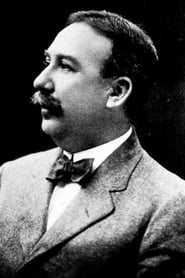
More from Edwin S. Porter
View all →


More about this film
About the production
Release dateOctober 1905
Box officeUnknown - box office tracking was not standardized in early cinema
ProductionEdison Manufacturing Company
Filmed inNew York, New York - likely filmed at Edison's Black Maria studio or New York studio
This film was part of Edwin S. Porter's innovative work in narrative cinema for the Edison Company. The production required multiple actors of different ages to portray the same characters throughout their life stages. Porter used continuity editing techniques that were advanced for the time period to show the progression of time and relationship development.
Themes
Life cycleRomantic lovePassage of timeHuman relationshipsAging
Themes & topics
ChildhoodSchoolCourtshipMarriageAgingLifelong loveRelationshipLife journeyTime progressionCompanionship
Historical background
The Seven Ages (1905) emerged during the earliest years of projected motion pictures, when exhibition habits and national film industries were still taking shape.
Why this film matters
The Seven Ages remains accessible through digital archives, giving modern viewers a direct link to 1905 screen culture.
Making of
The Seven Ages was created during a period of rapid innovation in American cinema, with Edwin S. Porter at the forefront of developing narrative storytelling techniques. The production required careful casting to find actors who could convincingly portray the same characters at different life stages. Porter, working for the Edison Manufacturing Company, was experimenting with ways to tell more complex stories beyond the simple actualities and trick films that dominated early cinema. The film's structure required sophisticated editing for its time, with Porter using dissolves and cuts to show the passage of time. The production likely took place at Edison's studio in New York, where Porter had access to the company's technical resources. The film was part of Edison's effort to create more sophisticated narrative content to compete with foreign film producers, particularly the French companies like Pathé and Gaumont that were dominating the global market.
What critics said
Where contemporary reviews survive, The Seven Ages is discussed in terms of audience appeal at release; later criticism often reframes it through archive restoration and festival programming.
Did you know?
- The Seven Ages is one of the earliest films to use the concept of showing characters aging throughout a narrative, a technique that would become common in later cinema.
- Director Edwin S. Porter was a pioneer of American cinema, previously known for his 1903 film 'The Great Train Robbery'.
- The film's title references Shakespeare's 'All the world's a stage' monologue from 'As You Like It', which describes the seven ages of man.
- This film represents an early example of what would later be called the 'life cycle' or 'cradle to grave' narrative structure in cinema.
- The Edison Manufacturing Company, which produced the film, was one of the earliest film production companies in America, founded by Thomas Edison.
- Like many films of this era, The Seven Ages would have been accompanied by live music during exhibition, with a pianist or small orchestra providing the score.
- The film was shot on 35mm film, which was the standard format for Edison productions.
- Porter's use of continuity editing in this film was considered innovative for 1905, helping establish narrative techniques that would become fundamental to cinema.
- The cast of this film is largely uncredited, as was common practice in early cinema before the star system developed.
- This film predates the development of feature-length films, representing the short-form narrative style that dominated early cinema.
Visual style
The cinematography in The Seven Ages reflects the technical limitations and stylistic conventions of 1905 filmmaking. The film was shot in black and white using 35mm film, with static camera positions typical of the period. Porter used medium shots to capture the interactions between characters, allowing viewers to see their expressions and gestures clearly. The lighting would have been natural or simple studio lighting, as sophisticated lighting techniques had not yet been developed. Porter employed basic editing techniques including cuts and possibly dissolves to show the progression of time between different life stages. The cinematography prioritized clarity and narrative comprehension over artistic flourishes, which was standard practice for early narrative films.
Innovations
The Seven Ages demonstrates several technical achievements for its 1905 production date. Porter's use of continuity editing to show temporal progression was innovative for the period. The film required careful coordination of multiple actors playing the same characters at different ages, requiring consistency in costume and character portrayal. The production likely used early makeup techniques to age the actors appropriately for each life stage. Porter's ability to maintain narrative coherence across different time periods within a short film represents an important step in the development of film storytelling techniques. The film's structure, showing cause and effect across time, demonstrates an understanding of cinematic narrative that was still emerging in 1905.
Music
As a silent film, The Seven Ages had no synchronized soundtrack. During exhibition, the film would have been accompanied by live musical performance, typically a pianist in smaller venues or a small orchestra in larger theaters. The musical accompaniment would have been selected to match the mood of each scene - lighter, playful music for the childhood scenes, romantic themes for the courtship sequences, and more serious or melancholic music for the later life stages. Some theaters might have used compiled cue sheets that suggested appropriate music for different types of scenes. The lack of recorded sound meant that the film relied entirely on visual storytelling and intertitles to convey the narrative.
Famous quotes
No recorded dialogue - silent film with intertitles
Memorable scenes
- The opening scene showing the two children playing together, establishing their lifelong connection from the earliest age
- The school scene where their friendship begins to deepen into young love
- The courtship scene showing their transformation into romantic partners
- The marriage scene representing their commitment to each other
- The final scene showing them as elderly companions, having completed their life journey together
What audiences thought
Audience reception of The Seven Ages in 1905 would have been shaped by the novelty of seeing a complete life story unfold on screen. Nickelodeon audiences of the period were becoming accustomed to more sophisticated narratives, and this film likely appealed to viewers interested in emotional, relatable stories. The romantic theme would have resonated with the predominantly working-class and immigrant audiences who frequented early movie theaters. The film's clear narrative progression and emotional content would have made it accessible to audiences of all backgrounds, contributing to its appeal. While specific audience reactions from 1905 are not well documented, the film's survival suggests it was considered significant enough to preserve and distribute.
Film connections
Influenced by
- Shakespeare's 'As You Like It' (Seven Ages of Man speech)
- Edwin S. Porter's own earlier narrative experiments
- Contemporary stage plays about life cycles
- Victorian literature themes of life progression
- Early photographic series showing human development
This film influenced
- Later 'life cycle' films
- Romantic epics spanning decades
- Biographical films showing complete lives
- Relationship dramas across time periods
- Coming-of-age narrative films
Film restoration
The Seven Ages is believed to be partially preserved or may be a lost film, as many Edison productions from this period have not survived in complete form. Some sources suggest fragments or copies may exist in film archives such as the Library of Congress or the Museum of Modern Art's film collection. The preservation status of early 1905 films is often uncertain due to the fragile nature of nitrate film stock from this era. Film historians continue to search for copies in archives and private collections worldwide.
Where to watch
- Due to its age and potential lost status, The Seven Ages is not widely available for viewing. Potential sources include: The Library of Congress's motion picture collection (if preserved), The Museum of Modern Art's film archives, The George Eastman Museum's film collection, Early cinema archives and special collections at universities with film studies programs, Potential inclusion in compilations of Edison Company films or Edwin S. Porter retrospectives