The Terrible Kids
"Boys, a dog, and pranks that outrun the police"
Keys: Space play/pause · ←/→ 10s · F fullscreen · M mute · </> speed
About this film
Two boys and their dog set out to play a series of practical jokes on their neighbors. After they have caused several disruptions, the police are called, and soon the boys are on the run, pursued by the police and others. In their efforts to escape, the boys receive considerable help from the resourceful dog.
Cast & crew
More films like this

More Comedy films
View all →







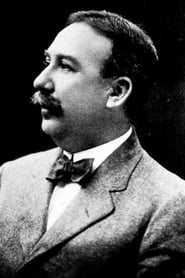
More from Edwin S. Porter
View all →

More about this film
About the production
Release dateOctober 1906
Box officeUnknown - box office records were not systematically kept for individual shorts in 1906
ProductionEdison Manufacturing Company
Filmed inNew York, New York, Edison Studio - Bronx, New York
This film was shot on 35mm film using Edison's proprietary equipment and processes. As with many Porter films of this period, it utilized actual locations in New York City to add authenticity to the chase sequences. The dog featured in the film was likely a trained animal actor from Edison's stable of performers, as the studio maintained various animals for their productions.
Themes
Childhood mischiefAuthority versus rebellionUrban childhoodAnimal intelligence and loyaltyCommunity and neighborhood dynamics
Themes & topics
Historical background
Made during the nickelodeon years around 1906, The Terrible Kids reached audiences through theatrical programs, fairground booths, or specialized distribution channels typical of its generation. Two boys and their dog set out to play a series of practical jokes on their neighbors. After they have caused several. Historians now read such works for what they reveal about production methods, national taste, and the expanding vocabulary of screen narrative.
Why this film matters
Archivists and programmers still screen The Terrible Kids when tracing how popular entertainment evolved. Its subject—two boys and their dog set out to play a series of practical jokes on their neighbors. after they—gives later viewers tangible evidence of what drew crowds in the silent period. Home video, restorations, and festival sidebars keep the title circulating among students of film history.
Making of
The production of 'The Terrible Kids' took place during a pivotal period in Edwin S. Porter's career as he transitioned from being primarily a cameraman and technician to becoming one of America's first true film directors. The film was shot at Edison's Bronx studio, which had been established in 1905 and represented one of the first purpose-built film production facilities in the United States. Porter worked with a small crew typical of the era, often consisting of just himself as director, one or two camera operators, and minimal lighting equipment. The child actors were likely recruited from local neighborhoods, as formal casting processes had not yet been established. The dog's training and performance would have been overseen by specialized handlers who worked regularly with Edison Studios. The chase sequences required careful coordination between the performers and camera operators, as the relatively primitive equipment of 1906 made tracking shots difficult to execute. Porter's experience as a cameraman helped him overcome these technical limitations, using innovative camera placement and editing techniques to create dynamic action sequences.
What critics said
Original trade coverage treated The Terrible Kids as routine program filler rather than a landmark production—common for shorts. Later criticism emphasizes preservation, stylistic comparison with contemporaries, and whatever cast or crew names later gained prominence. Contemporary writing is mostly historical: assessing completeness, influence, and place in a director's or studio's catalog.
Did you know?
- This film represents one of the earliest examples of the 'chase comedy' genre that would become extremely popular in the silent era
- Edwin S. Porter was one of the first directors to recognize the comedic potential of children causing chaos in adult society
- The dog's prominent role was innovative for its time, as animal actors were rarely given such significant narrative importance in early cinema
- This film was part of Edison's strategy to produce more narrative-driven content to compete with emerging European filmmakers
- The practical jokes depicted were likely inspired by popular comic strips and humor magazines of the early 1900s
- Porter used multiple camera setups for this film, which was still relatively uncommon in 1906
- The film's structure - setup, escalation, and chase sequence - became a template for countless comedy shorts that followed
- Edison marketed this film as suitable for all audiences, part of their strategy to make cinema a family entertainment medium
- The police officers in the film were likely actual New York City police officers rather than actors, a common practice in early Edison productions
- This film was distributed both domestically and internationally, helping establish American comedy's global appeal
Visual style
The cinematography in The Terrible Kids was typical of Edison productions from 1906, utilizing stationary camera positions with occasional pans to follow action. The film was shot on 35mm film using Edison's patented equipment, resulting in the distinctive Edison Standard format of the period. Porter employed multiple camera setups to capture different angles of the chase sequences, which was still relatively innovative for the time. The outdoor scenes benefited from natural lighting, while interior shots were illuminated using primitive but effective artificial lighting setups. The camera work emphasized clarity and composition, with careful attention to framing to ensure all the important action remained visible to audiences. The film's visual style prioritized narrative clarity over artistic experimentation, reflecting Porter's practical approach to filmmaking and the commercial demands of the nickelodeon market. The chase sequences demonstrated Porter's growing mastery of spatial continuity, using editing to create a sense of movement and urgency despite the technical limitations of the era.
Innovations
The Terrible Kids showcased several technical achievements that were significant for 1906. Porter's use of multiple camera setups and varied angles represented an advancement beyond the single-camera approach common in earlier films. The film's editing, particularly during the chase sequences, demonstrated sophisticated continuity techniques for the period, helping to create a coherent narrative flow across different locations. The coordination required to film the chase scenes with child actors and an animal performer represented a significant technical and logistical challenge for the era. The film also employed location shooting in New York City, which required portable equipment and careful planning in an era before lightweight cameras became common. The clear visibility of action in outdoor scenes demonstrated improved understanding of lighting and exposure techniques. The film's pacing and rhythm, achieved through careful editing, showed an advanced understanding of how to create comedic timing through the juxtaposition of shots. These technical elements contributed to the film's effectiveness and influenced subsequent comedy productions.
Music
As a silent film from 1906, The Terrible Kids had no synchronized soundtrack. During its original theatrical run, the film would have been accompanied by live musical performance typical of nickelodeon presentations. This usually consisted of a pianist or small ensemble playing appropriate music to match the on-screen action, likely using popular songs of the era or classical pieces adapted for the accompaniment. The chase sequences would have been accompanied by more frenetic, upbeat music, while scenes of the boys planning their pranks might have featured playful, mischievous melodies. The exact musical selections would have varied by theater and musician, as there were no standardized scores for films of this period. Some larger theaters might have employed small orchestras for their presentations, while smaller venues relied on solo pianists. The musical accompaniment played a crucial role in enhancing the comedy and timing of the visual gags, helping to guide audience reactions and emphasize the film's humorous moments.
Famous quotes
(Silent film - no dialogue quotes available, but intertitles may have included phrases like 'The Terrible Kids Strike Again!' or 'Help from a Clever Dog')
Memorable scenes
- The climactic chase sequence where the dog repeatedly outsmarts the pursuing police by creating diversions and obstacles, including knocking over fruit carts and causing traffic confusion, allowing the boys to escape through narrow alleyways and across rooftops while the frustrated officers and neighbors struggle to keep pace with the clever canine's tactics.
What audiences thought
The Terrible Kids was reportedly popular with nickelodeon audiences, who appreciated its relatable humor and exciting chase sequences. Contemporary accounts suggest the film was particularly successful in venues catering to family audiences, as its child protagonists and animal star appealed to viewers of all ages. The film's universal theme of children causing mischief resonated with urban audiences, many of whom were immigrants navigating life in American cities. Audience reactions were typically enthusiastic, with reported laughter and applause during screenings, especially during scenes where the dog helped the boys escape. The film's success led to increased demand for similar comedy shorts featuring children and animals, creating a mini-trend in Edison's production schedule. Theater owners frequently programmed The Terrible Kids as part of mixed bills, often using it as an audience-pleaser to accompany more dramatic or educational subjects. The film's popularity contributed to the growing acceptance of cinema as legitimate entertainment for middle-class families, helping to move movies beyond their initial association with working-class audiences.
Film connections
Influenced by
- Early comic strips and cartoons
- Music hall comedy sketches
- Stage farce traditions
- Previous Edison comedy shorts
- Georges Méliès' trick films
- British comedy films of the early 1900s
This film influenced
- The Whole Family (1911)
- The Kids (1913)
- The Rink (1916)
- The Kid (1921)
- The Kid Brother (1927)
- Our Gang comedy series
- The Little Rascals films
- Home Alone (1990)
Film restoration
The preservation status of The Terrible Kids is unclear, which is common for films from this period. Many Edison films from 1906 have been lost due to the unstable nature of early nitrate film stock and lack of systematic preservation efforts. However, some Edison productions from this era have survived in archives such as the Library of Congress, the Museum of Modern Art, and the British Film Institute. The film may exist in fragmentary form or as part of compilation reels. The Edison Manufacturing Company's records suggest the film was widely distributed, increasing the possibility that copies survived in various archives or private collections. Restoration efforts for early Edison films continue, with organizations like the National Film Preservation Foundation working to locate and preserve surviving elements of cinema's first decade.
Where to watch
- Due to its age and uncertain preservation status, The Terrible Kids is not readily available on modern streaming platforms. Potential viewing options include: The Library of Congress's online catalog (if preserved), The Museum of Modern Art's film archive screenings, Early cinema databases and archives, University film collections with early cinema holdings, Specialized silent film festivals or retrospectives, The Edison National Historic Site archives, Academic databases specializing in early cinema